Top 10 Interior Design Trends You Need To Know | Latest Home Ideas & Inspirations
6 min read
Hello, my name is Alex Lee, and I am from Design Seed. In our previous episode, there was a huge demand requesting for us to publish more top 10 compilation videos related to interior design. Due to the immense demand, we decided to craft an enticing episode to share with you our 2023 design tips.
But first, we would like to express our utmost gratitude to you with a flashback of the milestones we achieved last year, thanks to all of you. The core vision of this channel is to share knowledge and inspire those who are in search of good and relatable design content, and our aim is to boost the understanding and awareness of good design. Today, we are grateful that we have touched base with close to 400,000 YouTube subscribers, with several videos surpassing over 2 million views. This achievement has given us more encouragement and motivation to continue pursuing more interesting content for you. Now, we’ll move on to the top 10 interior design trends!
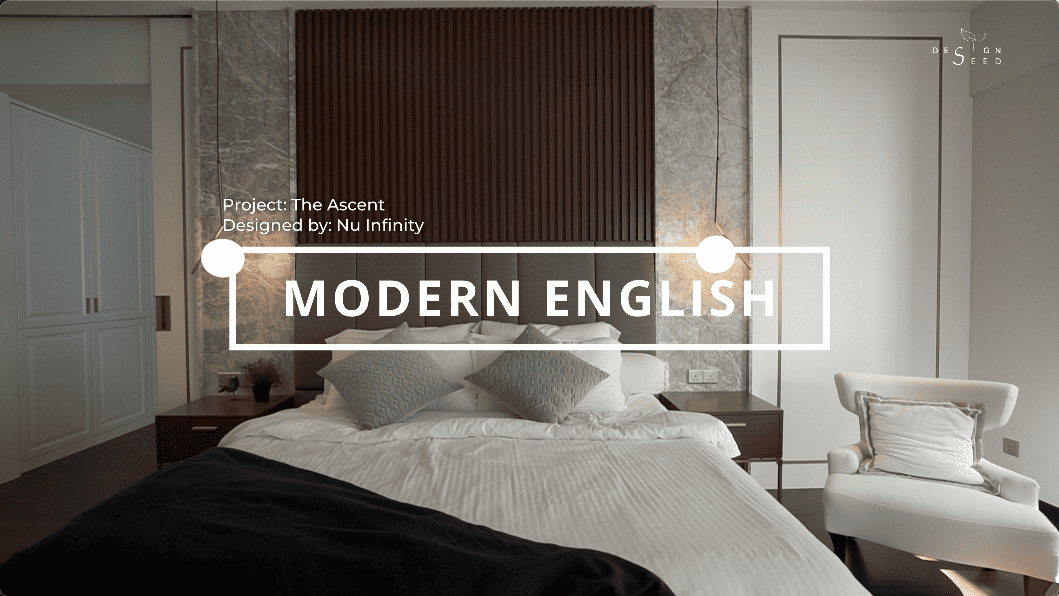
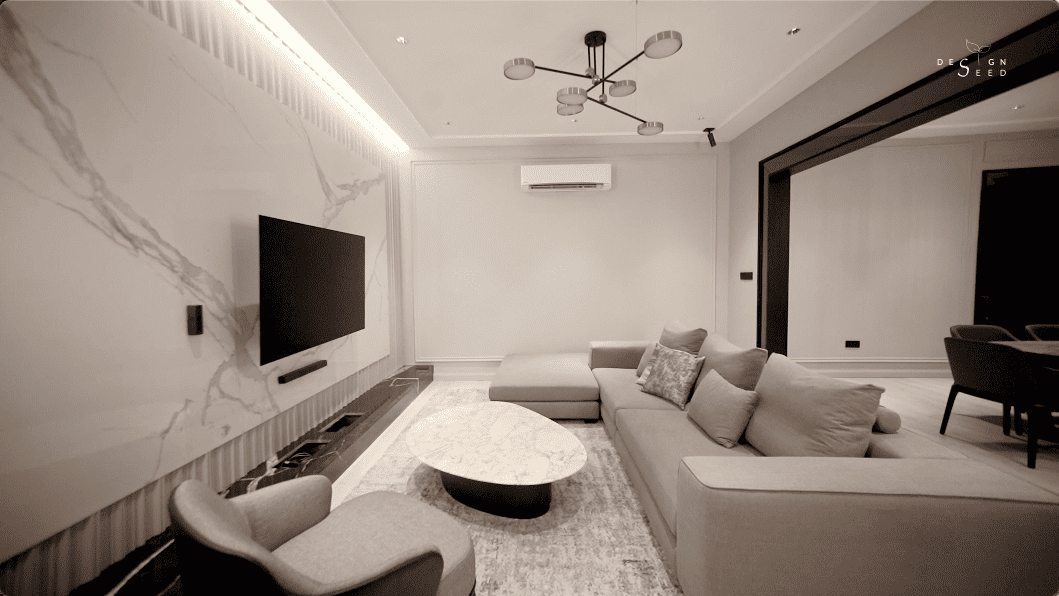
Modern English Design
Modern English is a style that combines British style design with contemporary elements. This design concept is quite popular for its ability to achieve an elegant and timeless look. Modern English design evokes a sense of timelessness, luxury, and elegance.
It also emphasizes comfort and practicality, where materials of superior quality reflect the sophistication of English design. Unlike classic English designs, draperies and color palettes of Modern English concepts are normally kept plain and neutral. Wall panelings, which are called wainscotting, are commonly recognized as the focal elements of English design.
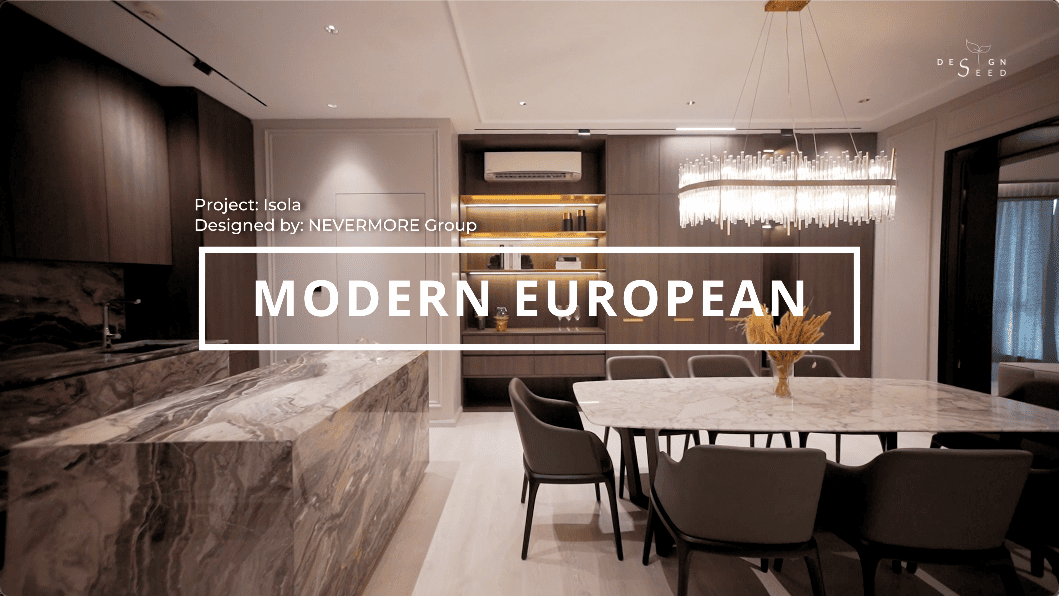
Modern European
People often have the perception that modern European design has a rustic identity or crosses the line toward Victorian design, mainly due to familiar arched doorways, ceiling designs, and wainscoting. European design tends to touch more on elements of Art Deco.
There is a timeless quality to this design approach that almost feels like the house could exist in the past, present, or even the future. The color schemes are often very neutral, and material usage focuses on natural materials like stone, marble, and wood. Despite the neutral tonality, modern European design tends to be more eye-catching and dramatic in its selection of details.
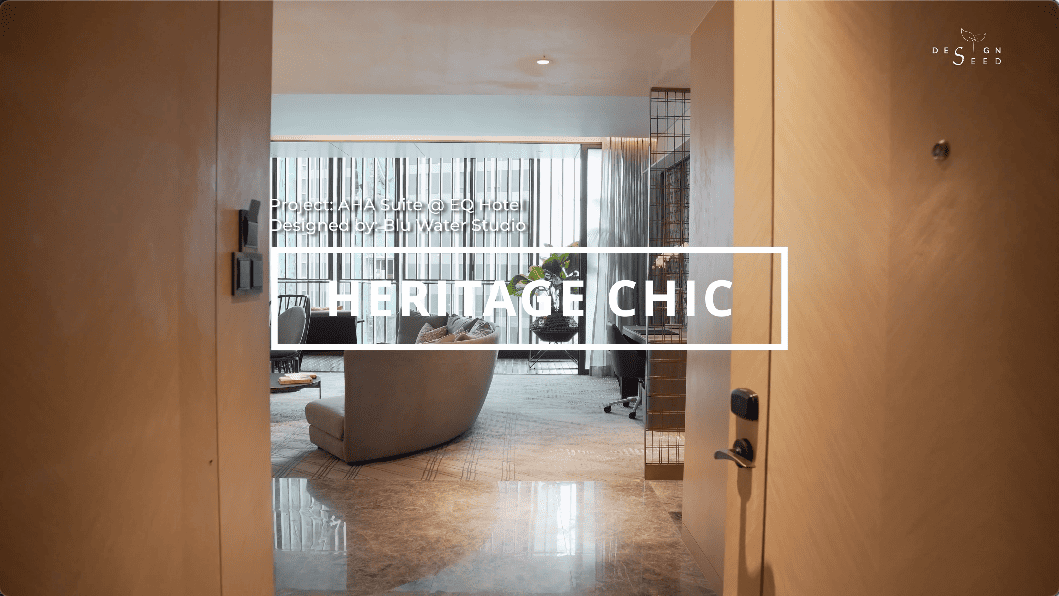
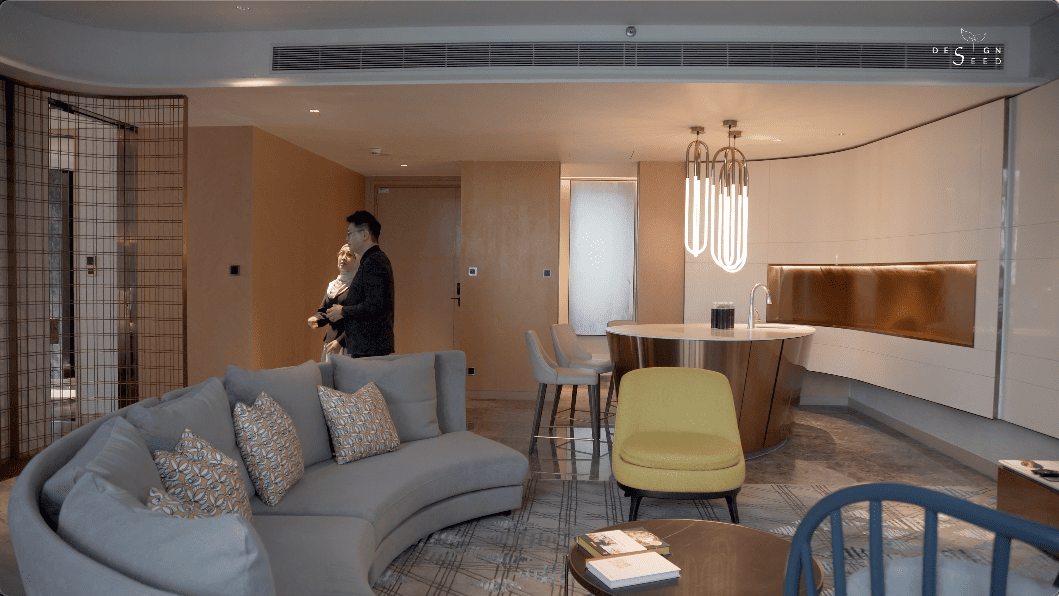
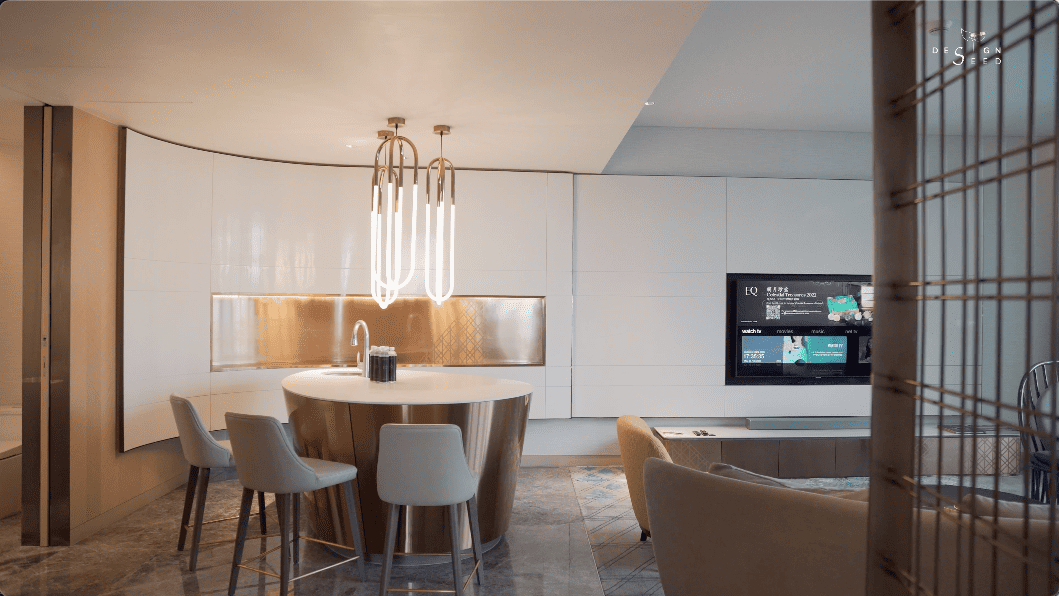
Heritage Chic
A contemporary design movement that merges localized design with fashionable elements, with conceptual idea developments based on local Malaysian heritage, such as traditional basket weaving modernized into art murals that gravitate attention.
This is a concept that is elegant and closely associated with sophistication. Vibrant selections of color combinations make heritage design always fun and quirky.
Modern Contemporary
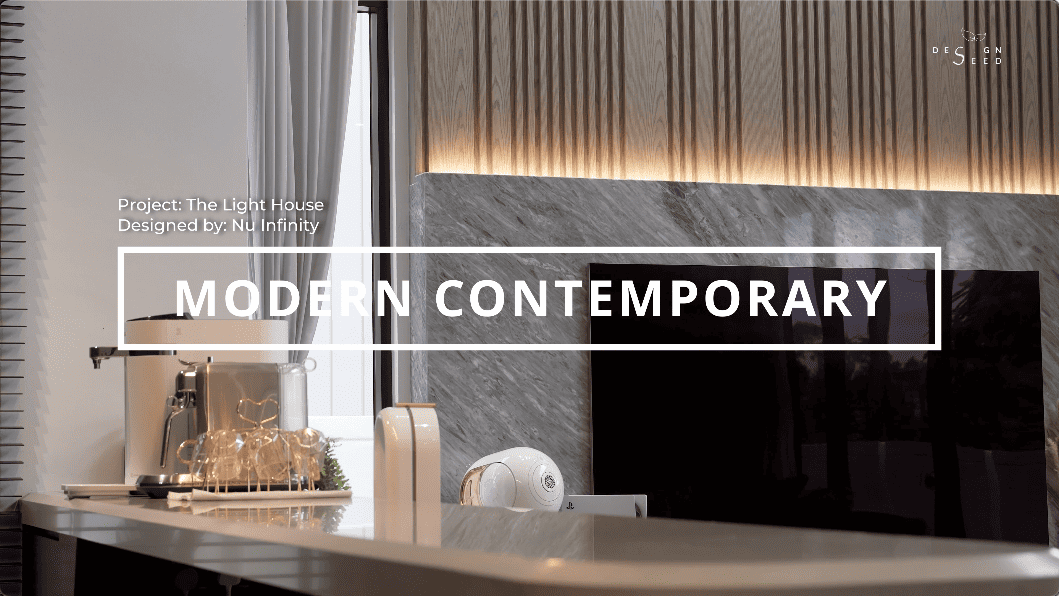
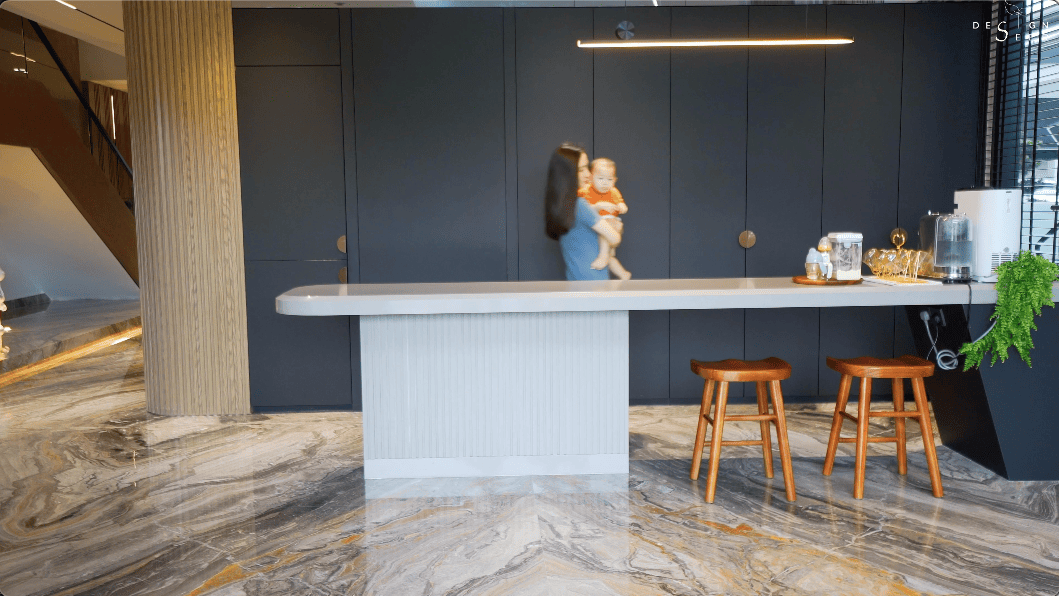
The broadest design concept trend with limitless possibilities, modern contemporary design is the current and most popular preferred design concept in our era. It emphasizes clean lines and curved details, natural materials with strong contrast, and spatial choreography.
Decluttering spaces, keeping storage areas tucked neatly within carpentry works, and cultivating a sense of openness are key principles. This design concept favors open spaces with thoughtful space planning and purposeful design. Another key factor of modern contemporary design is its attention to bespoke craftsmanship, extending to an appreciation for quality materials and artisanry.
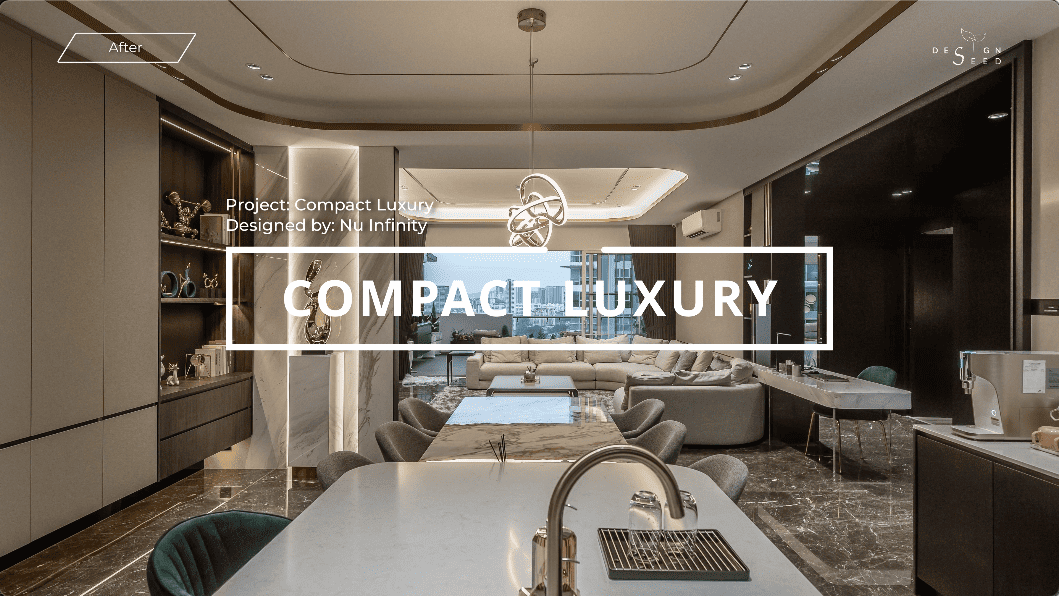
Compact Luxury
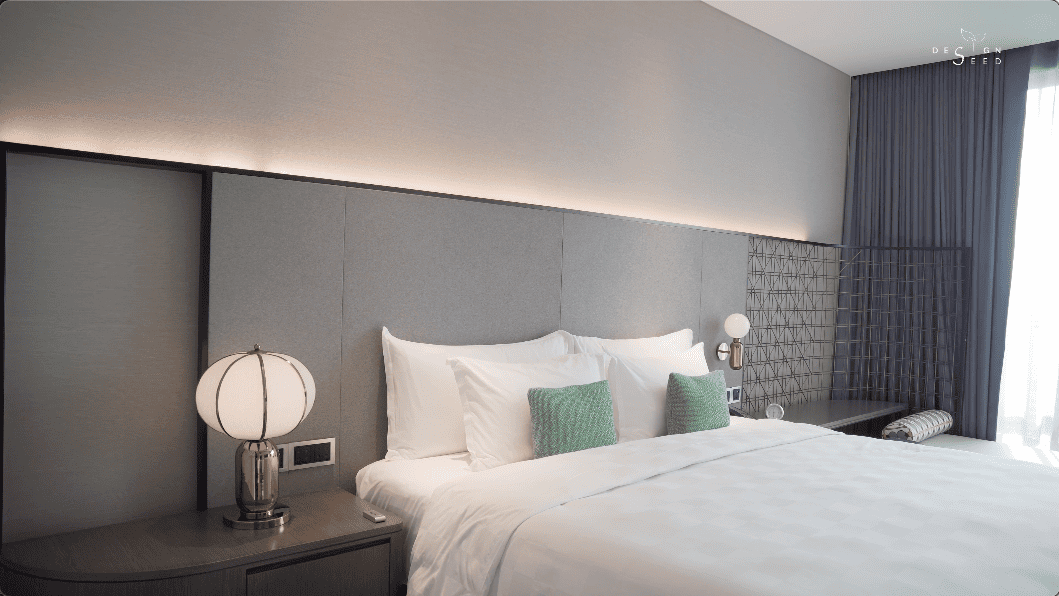
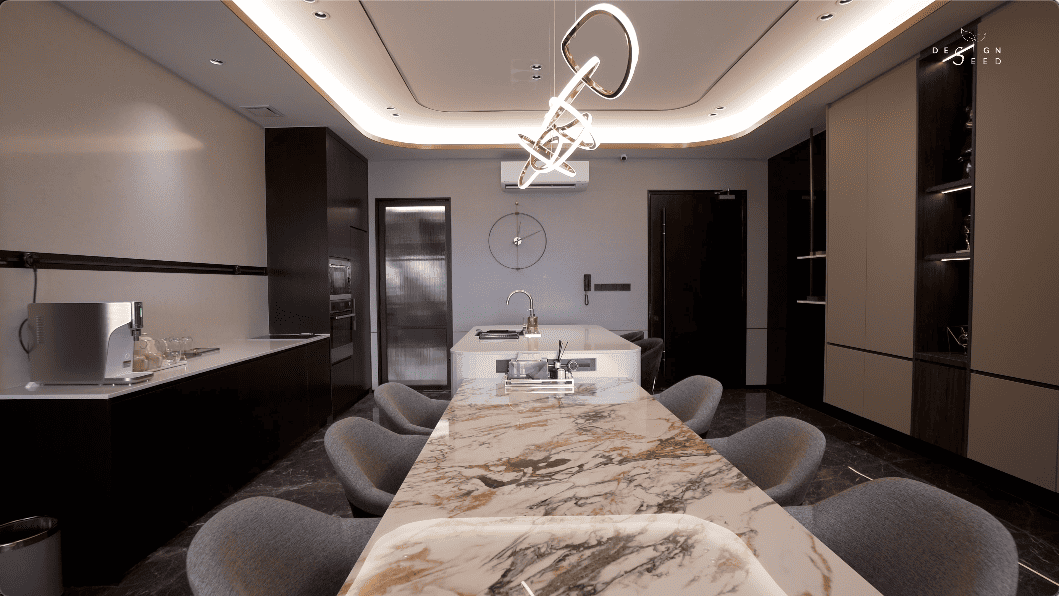
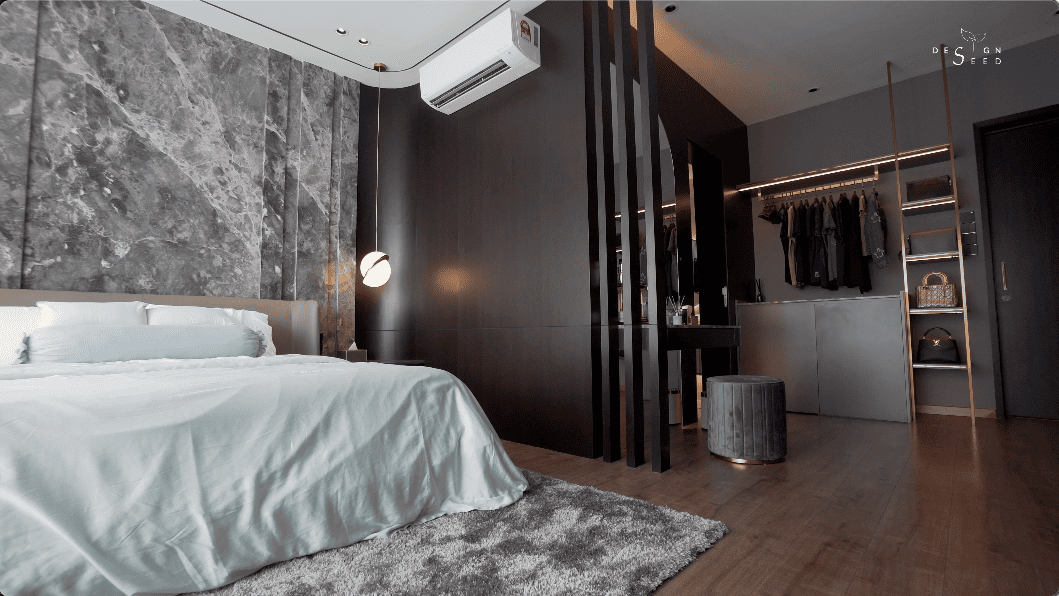
In our design language, we believe there is never a space too small to disregard as an opportunity to infuse luxury design. Compact apartments are quite favorable these days, and many people choose compact homes as a way of living without compromising on an upscale lifestyle.
Luxury design is about exclusivity and is favorable among those who are well-traveled and exposed to high-end hotels and upscale living. Compact luxury is design that focuses on top-of-the-line products and materials that make living in your apartment feel like checking into a five-star hotel on a daily basis, cultivating intricate detailing personalized to one’s lifestyle and comfort.
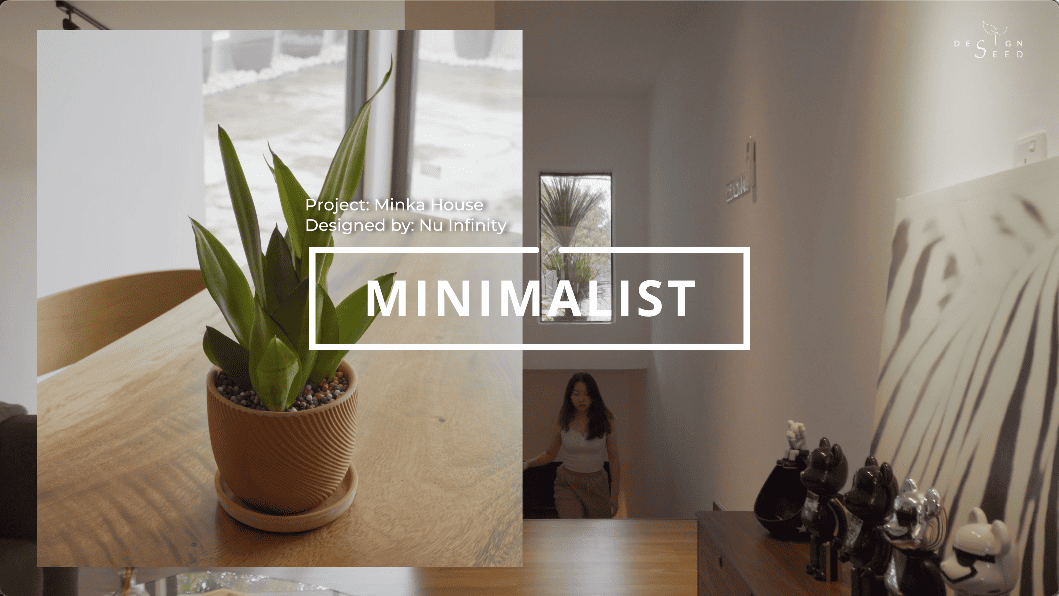
Minimalist Design
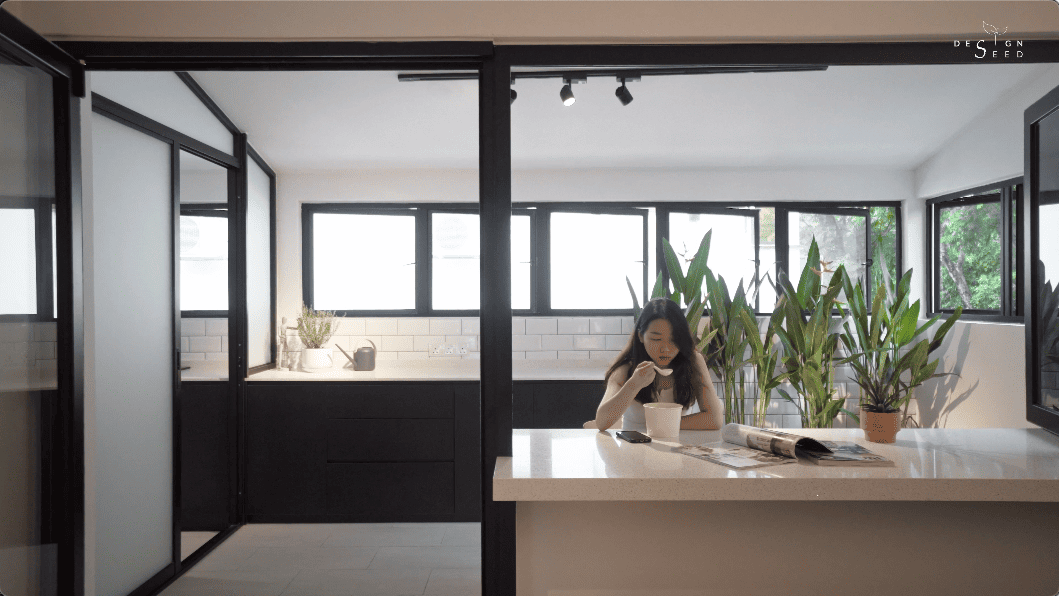
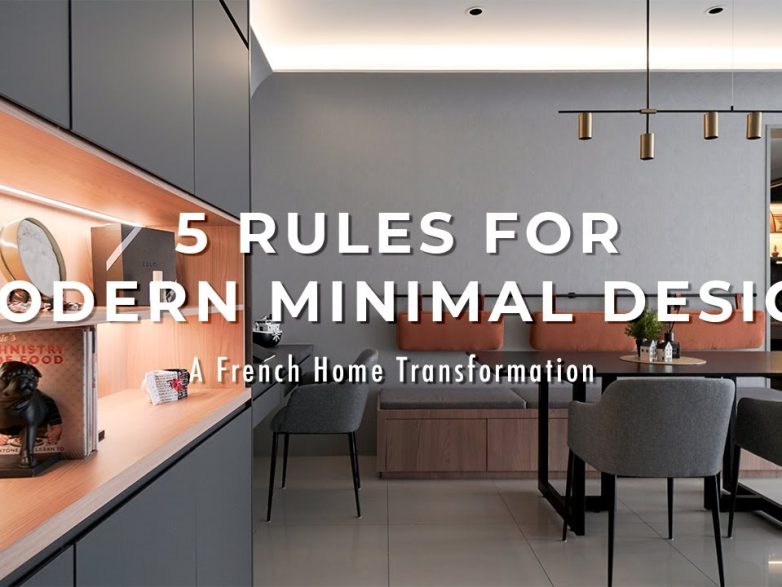
Minimalist design involves using the bare essentials to create a simple and uncluttered space. It is characterized by simplicity, linear lines, complemented by monochromatic palettes, with minimal colors used as accents. Modesty and contentment are key characteristics of minimalism, promoting a lifestyle that focuses on fewer material possessions and more on what one values in life.
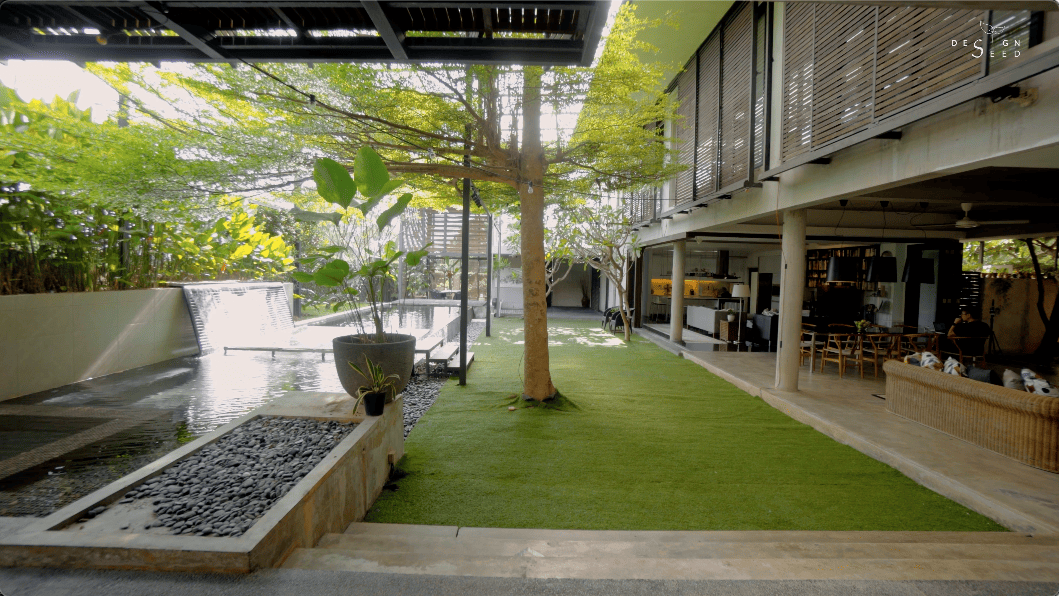
The concept of “less is more” is also one of the factors that makes minimalist design more affordable. The practical essence of minimalist design is how it embraces natural lighting, functional furniture, clean lines, and borrowed landscapes.
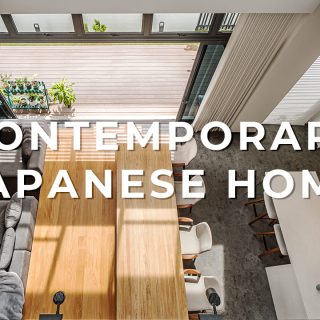
Japandi Design
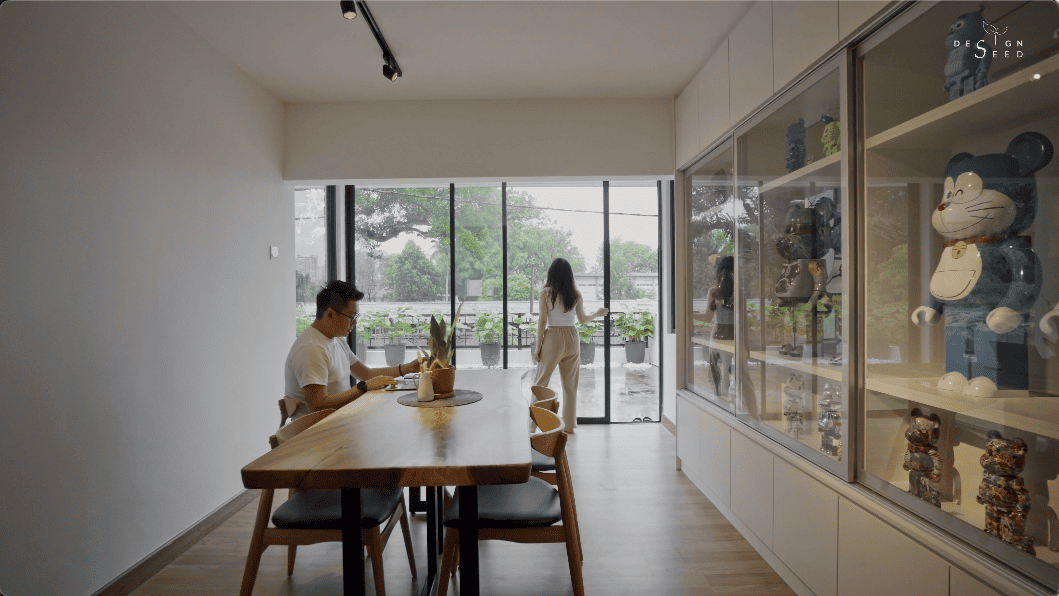
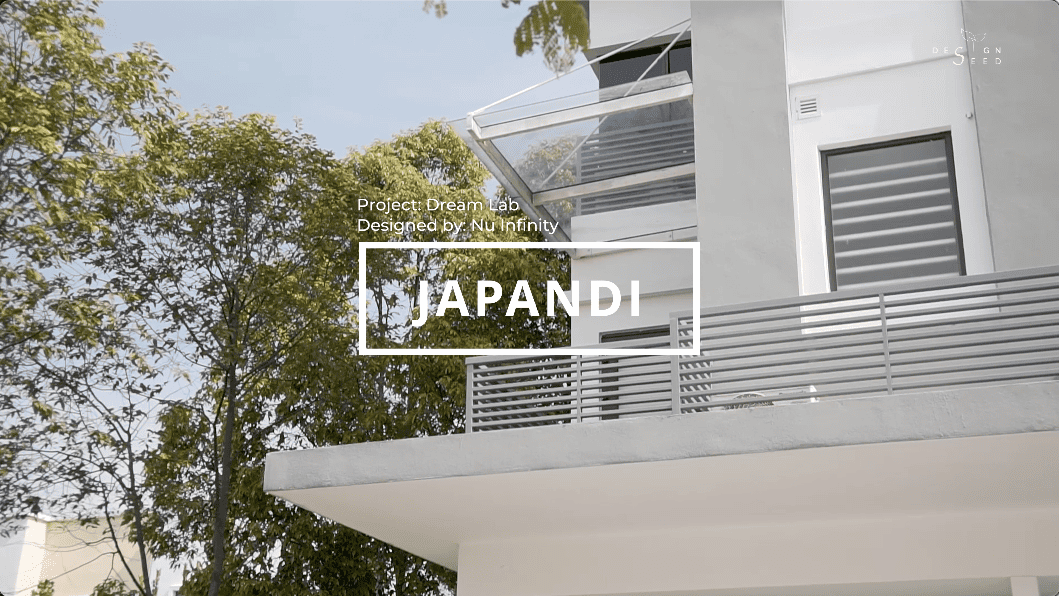
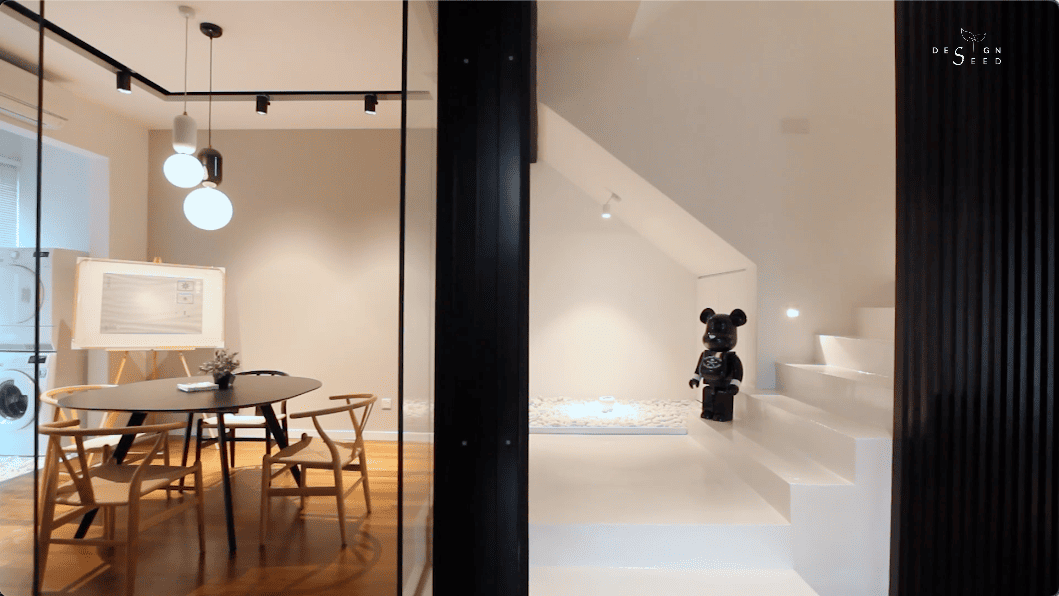
A fusion of Japanese aesthetics and Scandinavian design, the hybrid of the two different styles amalgamates to strike an interesting balance that creates a calming and welcoming design mood. Contrast is essential in Japandi design.
While lighter wood grains are commonly recognized, darker wood accents are introduced to create contrast, complementing the minimalist harmony of Zen influence concept. Practical and functional, sleek, simple, yet elegant, the Japandi design is all about neutral tonality, rich textures, and natural materials.
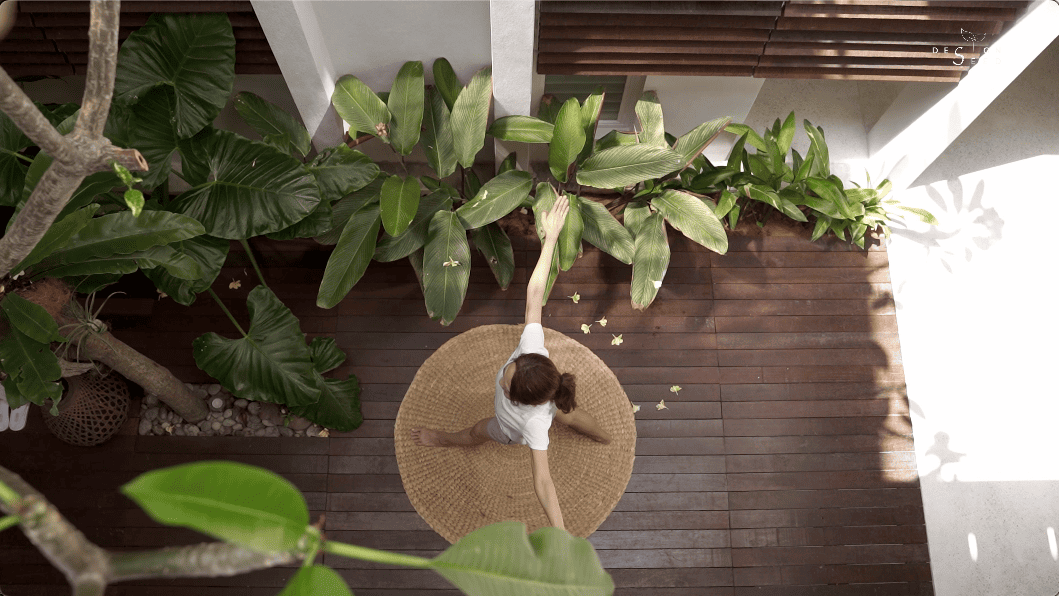
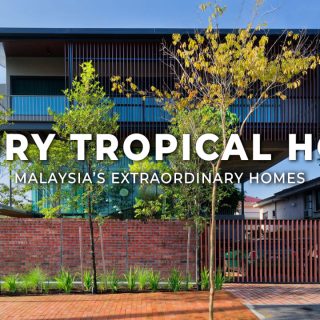
Luxury Tropical Design
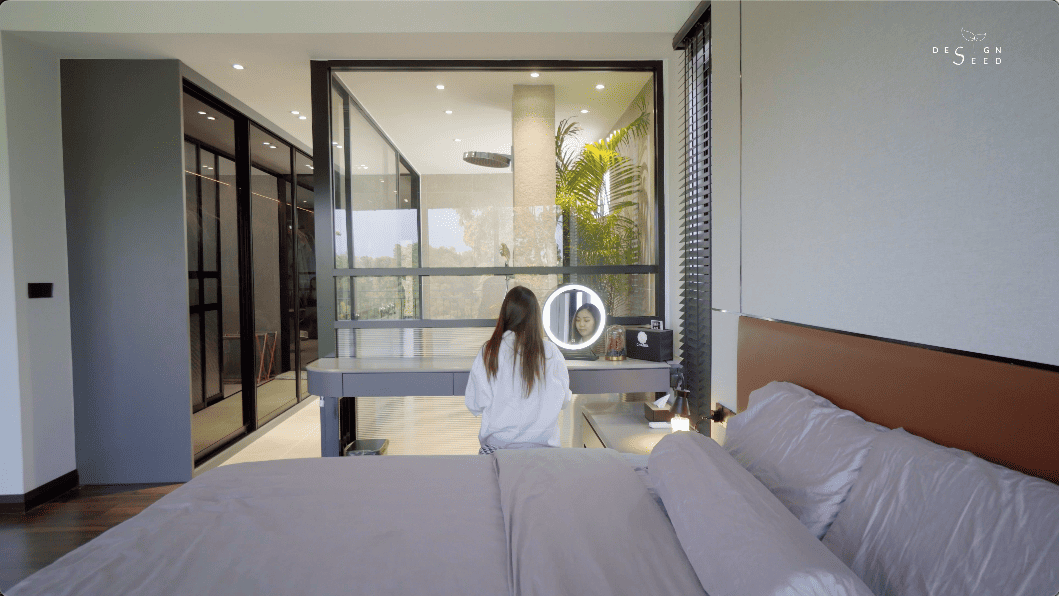
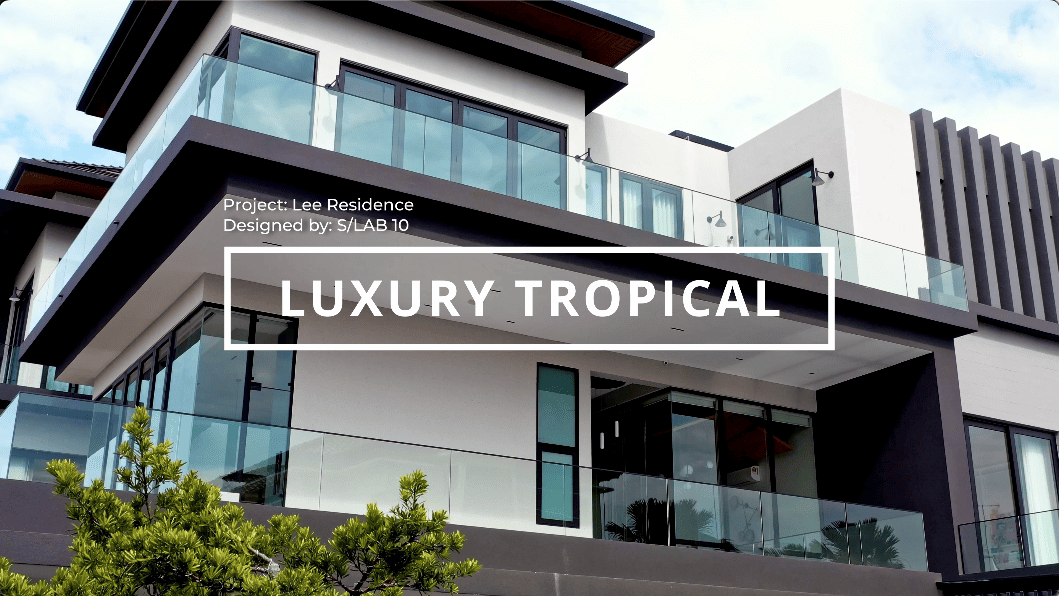
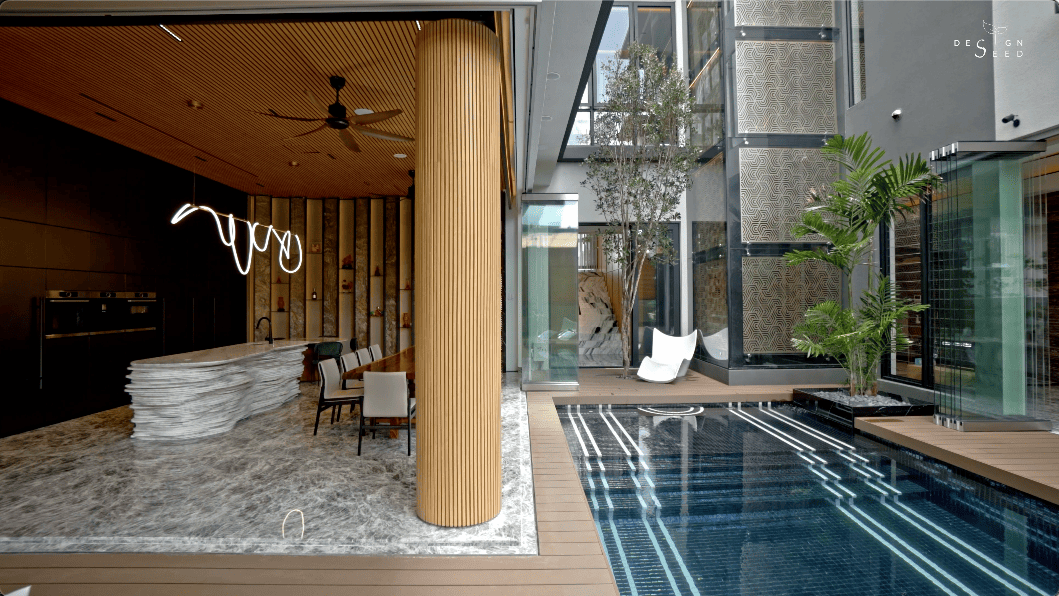
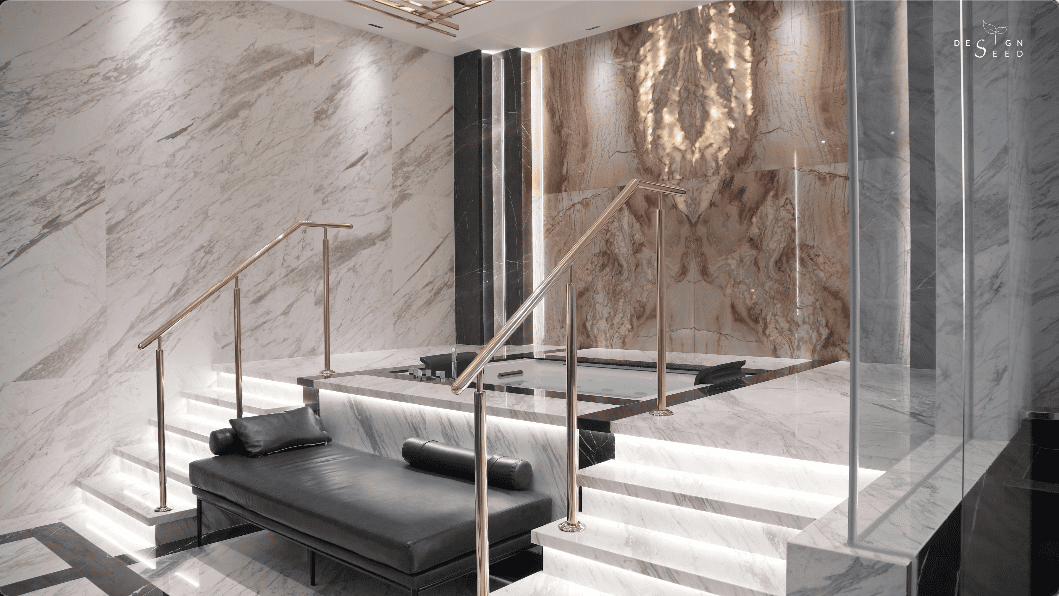
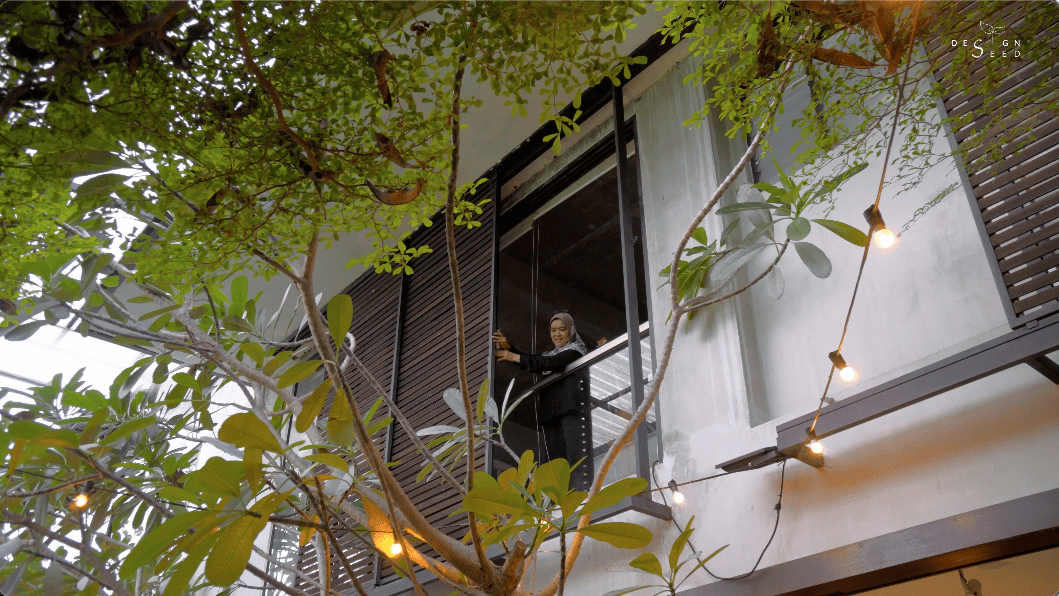
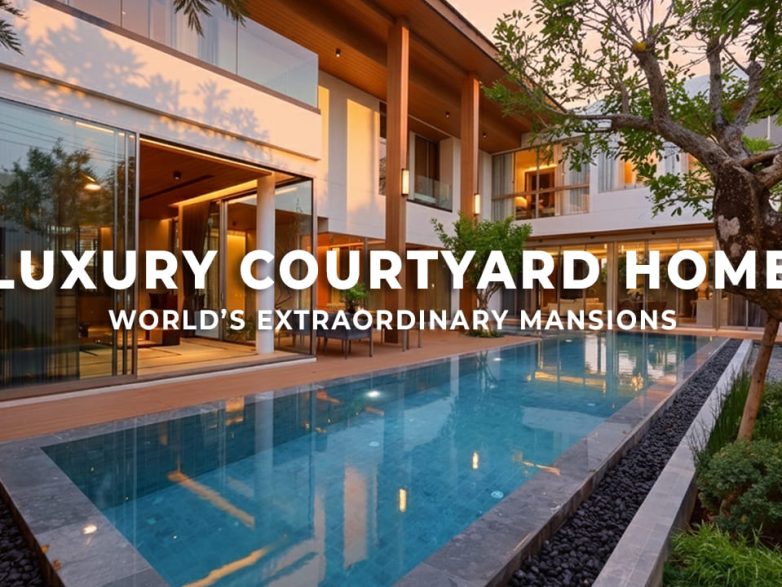
When you have the luxury of space, what would you do with it? Luxury tropical design is not just about building a large home, but how the house is built to adapt to nature. This luxury mansion is designed with the home surrounding the lap pool and landscape.
With the implementation of folding glass curtains, the boundaries between interior and exterior are blurred, making the luxury mansion feel even more spacious and deeply connected to the tropics. Luxury design certainly varies based on personal preference; however, this high-end interior focuses on curating elements that highlight quality and sophistication, including dazzling displays of exotic and rare stones and finishes sourced from all around the world, as well as customizable fittings and automated systems that improve the convenience of one’s lifestyle.
Muji Design
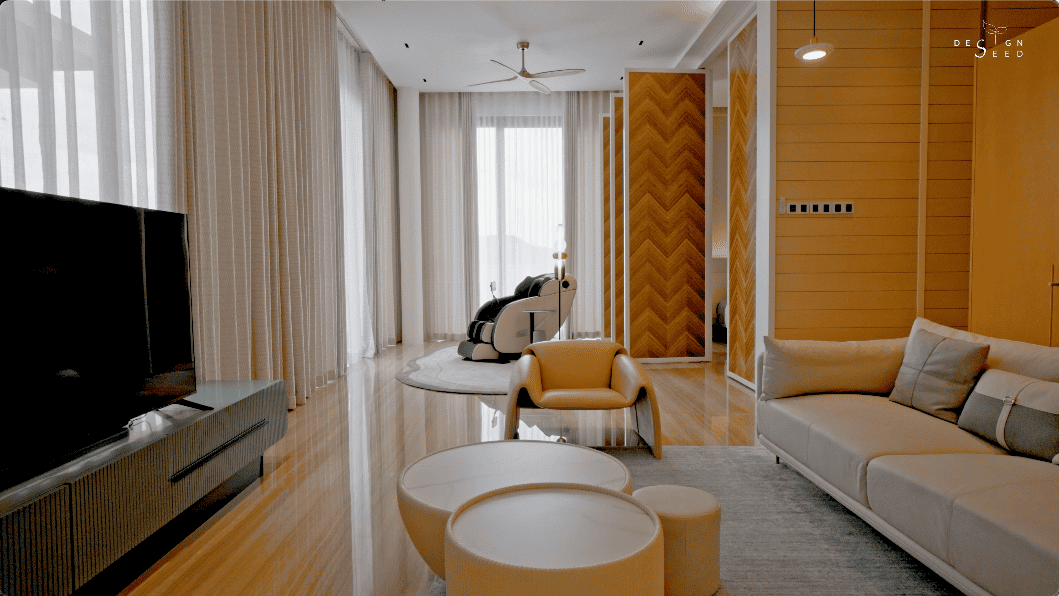
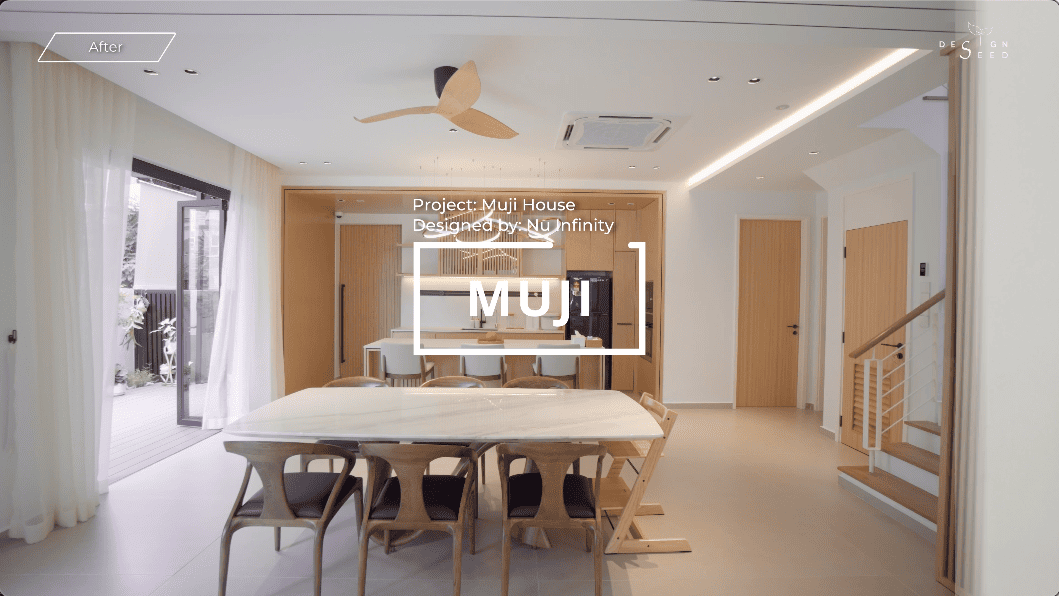
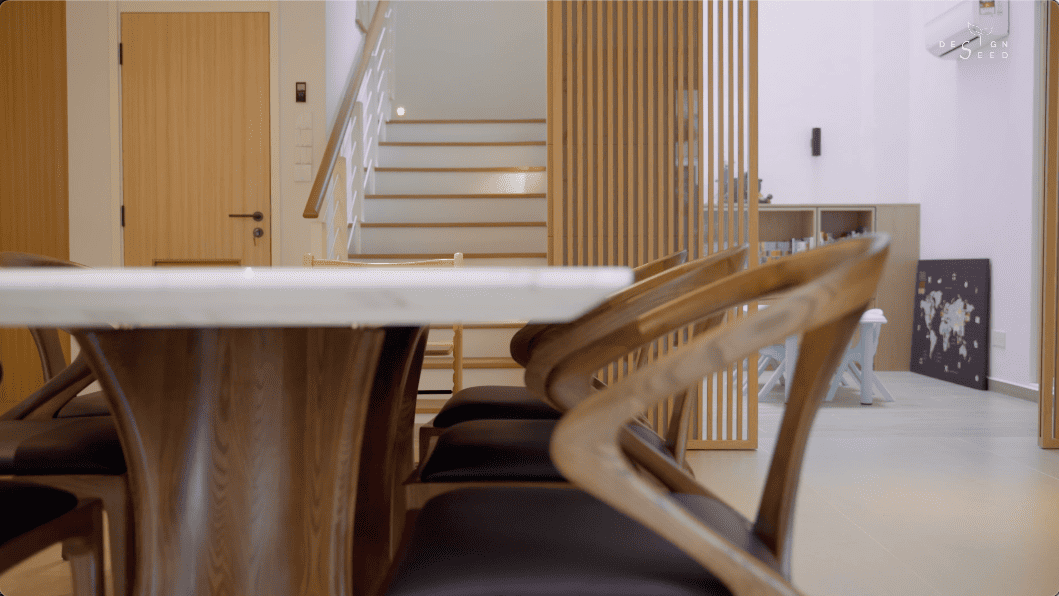
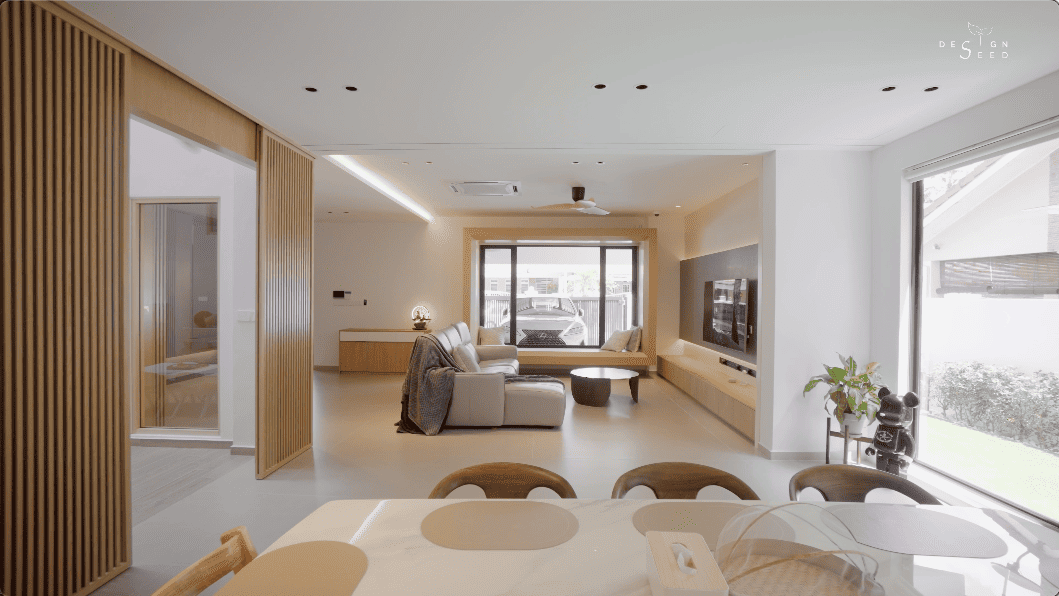
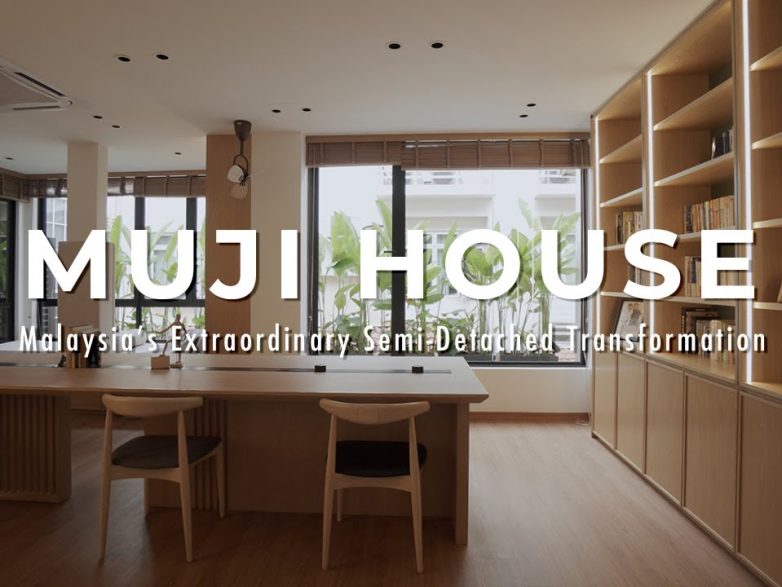
Muji design is a Japanese concept that embodies an exquisite and minimalist design philosophy influenced by the Japanese Zen culture. Muji-style interiors share a serene, organized, warm, and calming atmosphere.
Linear strips, framed carpentry design features, and organic elements that appear subtle yet create pleasant detailing. Muji aesthetics are based on minimalism in design and quality in living. This involves decluttering the home of excessive decoration while achieving balance so the space does not feel monotonous or empty.
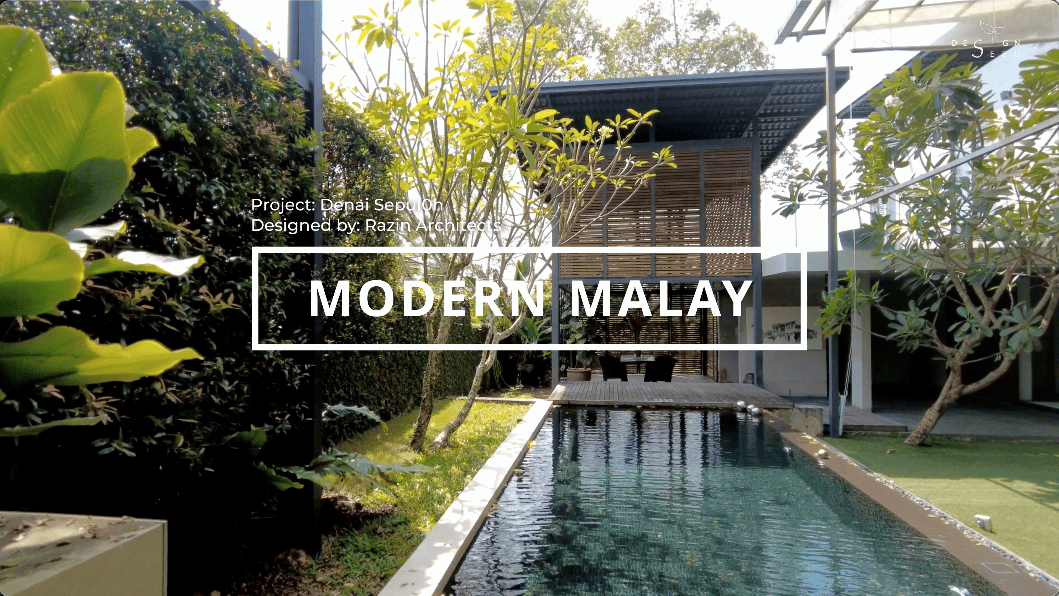
Modern Malay House
The modern Malay concept is not about the aesthetic depiction of a traditional Malay house, but about the space planning concept behind the architectural narrative. Spatial choreography references what is commonly found in Malay kampung houses, where non-family members may only access as far as the serambi, which is addressed as the entrance foyer.
Further spatial hierarchy, such as the rumah dapur, kitchen, and rumah ibu, defines how the Malay home is structured. The modern Malay house is about taking the spirit of the traditional Malay home and implementing it into a modern contemporary dwelling.
Industrial Design
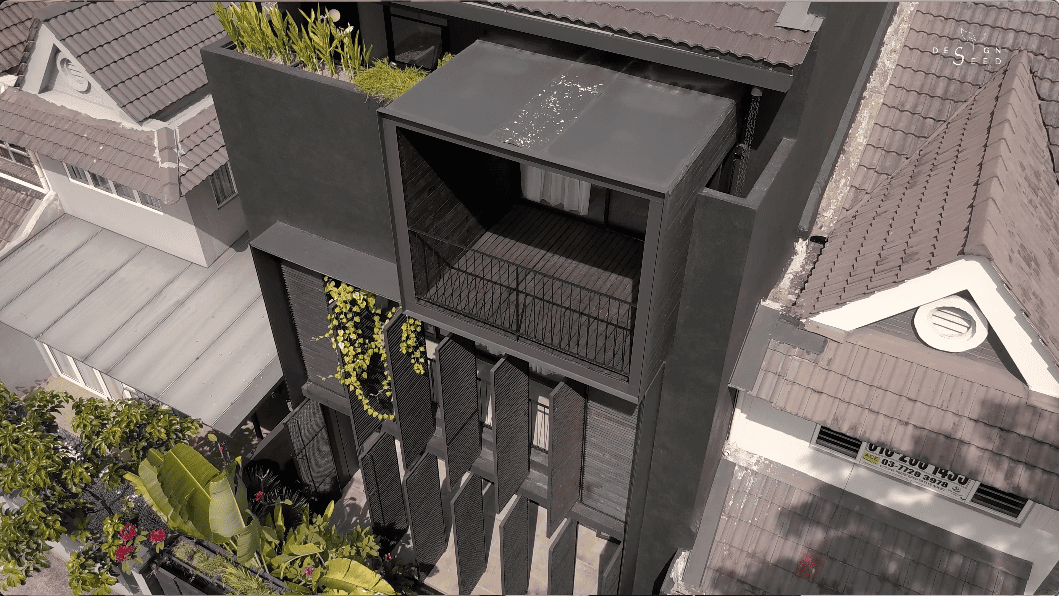
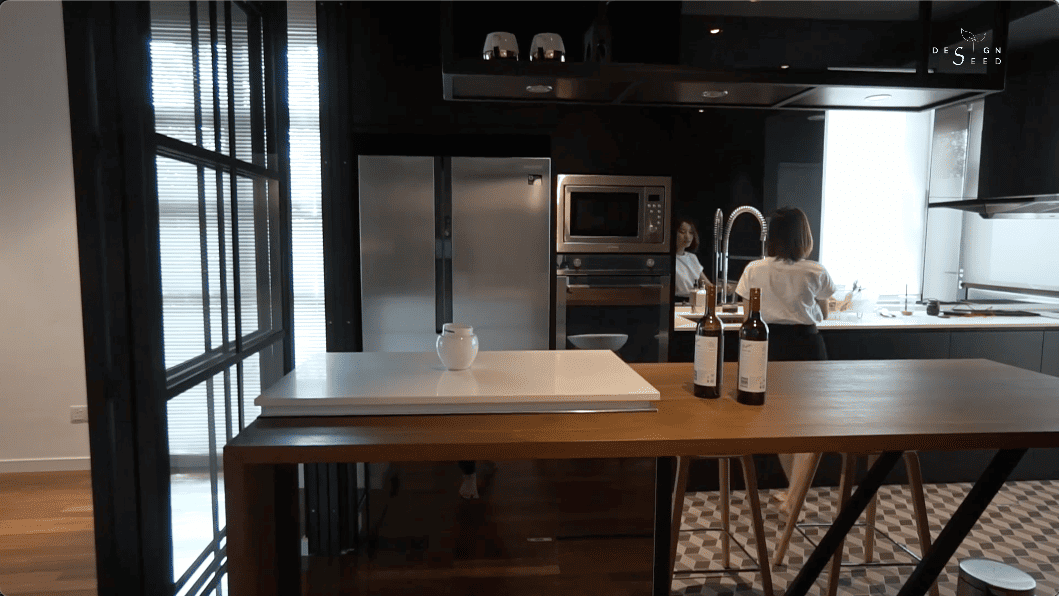
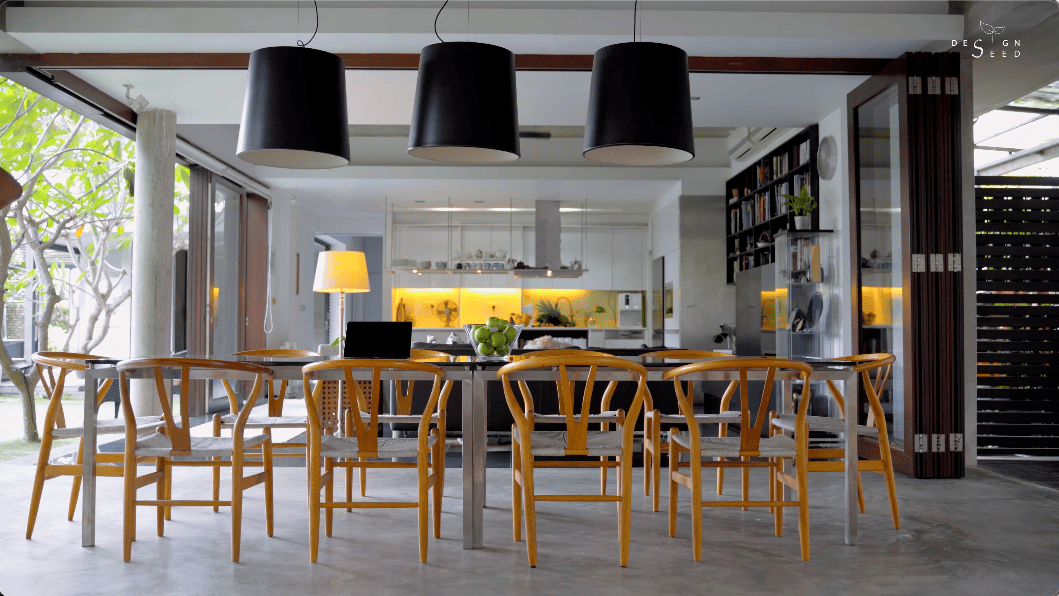
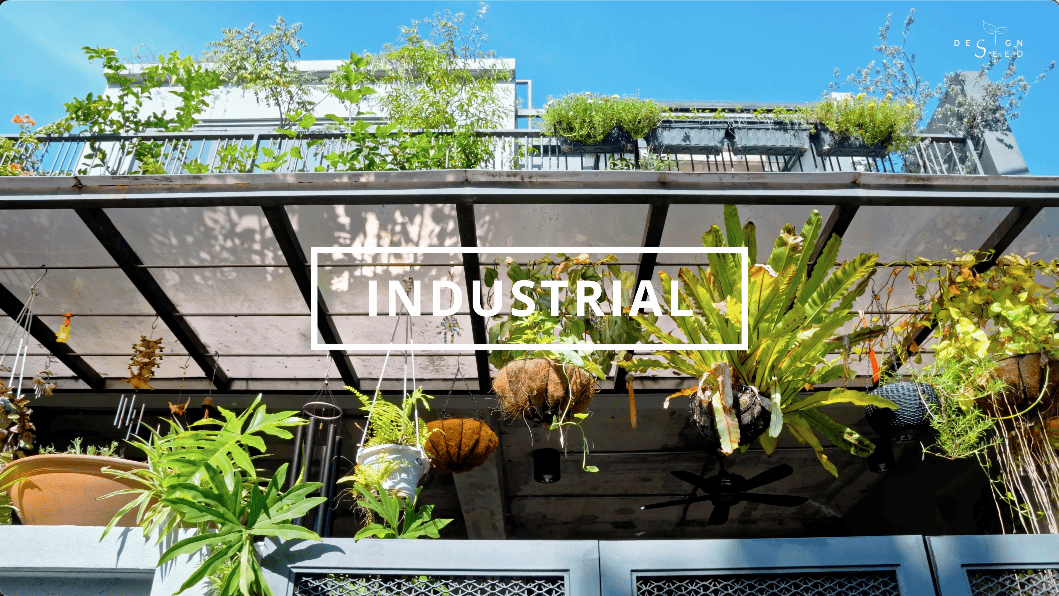
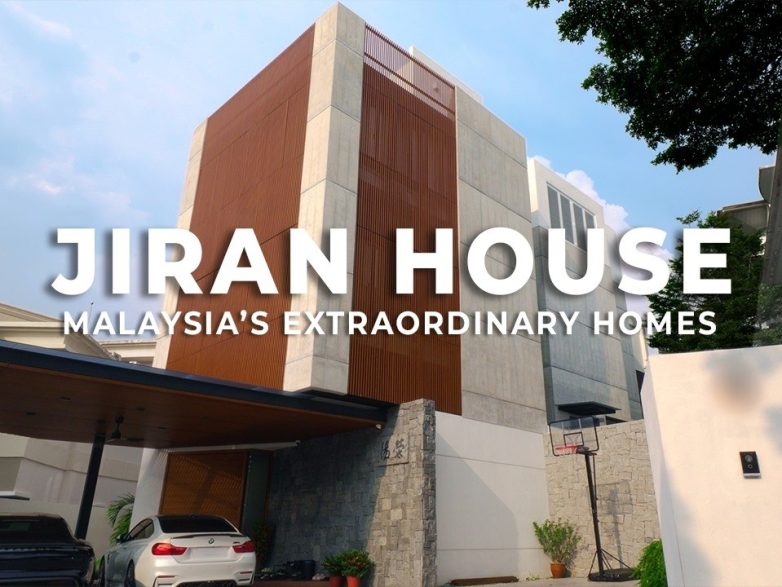
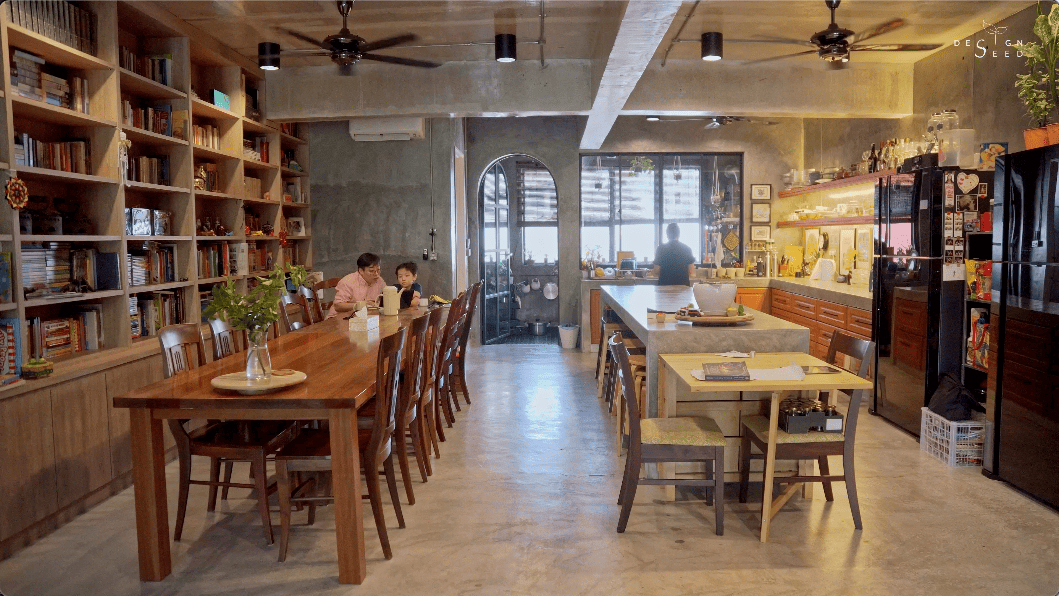
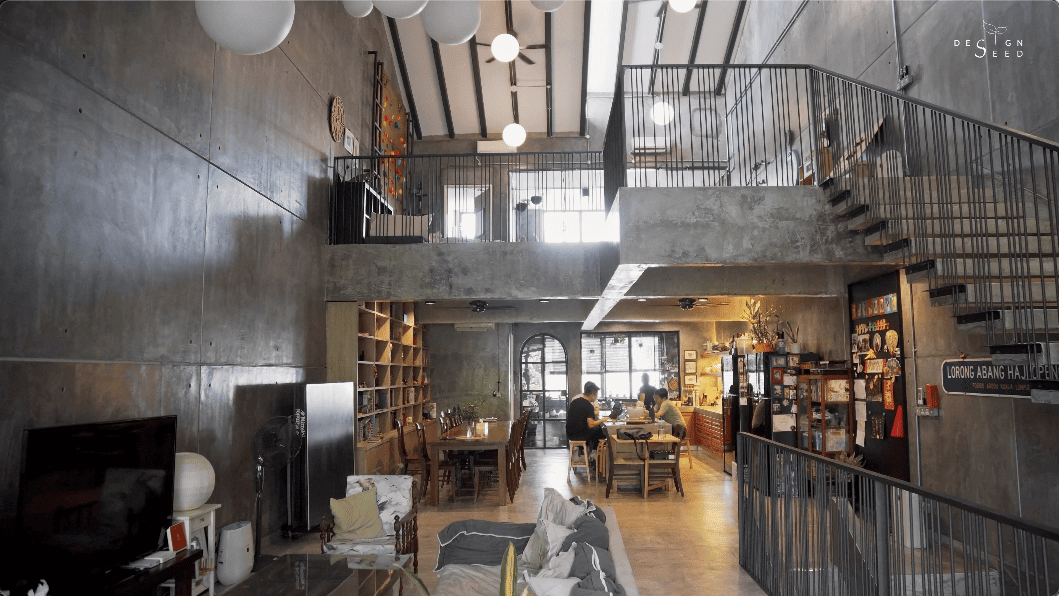
Bringing industrial design to a whole new level, this style is completed largely in cement finishes, where a bold concrete slab greets you as a statement the moment you enter. Exposed trusses, wiring, cement-rendered walls, and floors are paired with black powder-coated steel works, creating strong contrast against the cement background. This home is literally a concrete jungle.
A home is not just a symbol of aesthetic style, but a statement of family values and lifestyle expectations. Design trends can be very subjective, and my advice would be to build a home that suits your lifestyle and complements your way of living. However, with the right renovation budget, thoughtful space planning, and strong design development, achieving your dream home is not as strenuous as it seems.