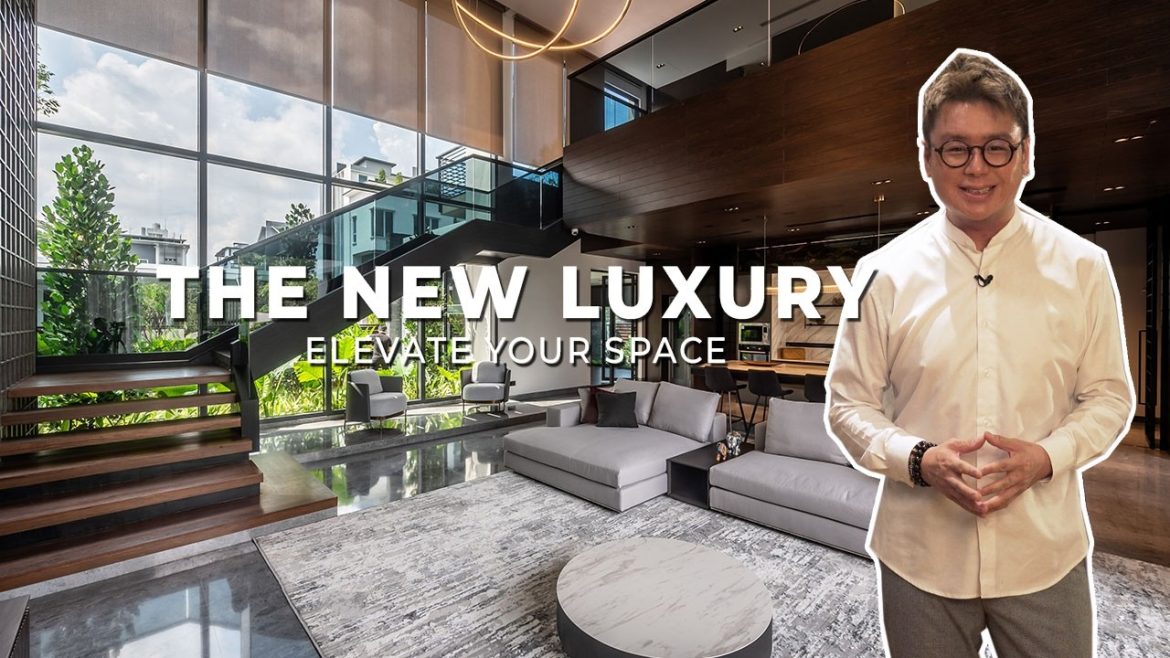
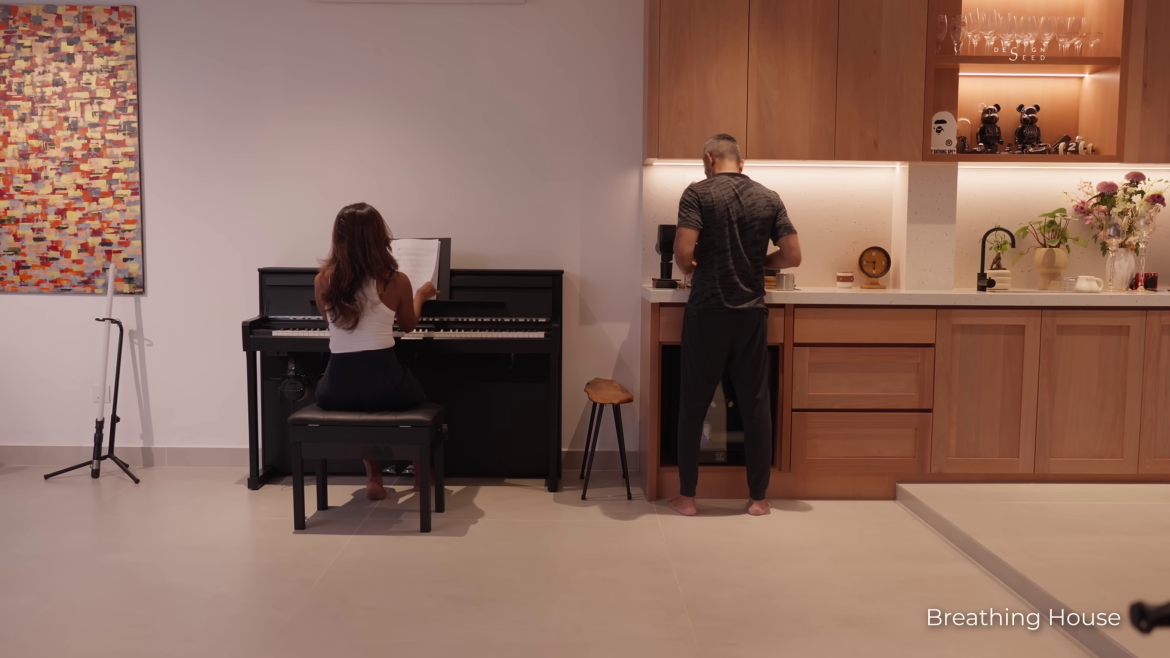
Luxury has become loud—bigger homes, higher price tags.
We’ve been taught to associate luxury with marble floors, designer furniture, and imported finishes. So today, we ask a different question:
What does true luxury actually look like in a home?
At Nu Infinity, the design philosophy is about altering the ego of practicality—questioning why we do things the way we do, and whether our idea of luxury has been shaped more by status than by actual lifestyles.
In this article, we are not here to showcase luxury, but to redefine it.
Designing Beyond Visuals
Luxury is not just about beautiful visuals. It’s about how a home supports your daily life.
Sometimes, the most impactful spaces are the ones we think are the simplest.
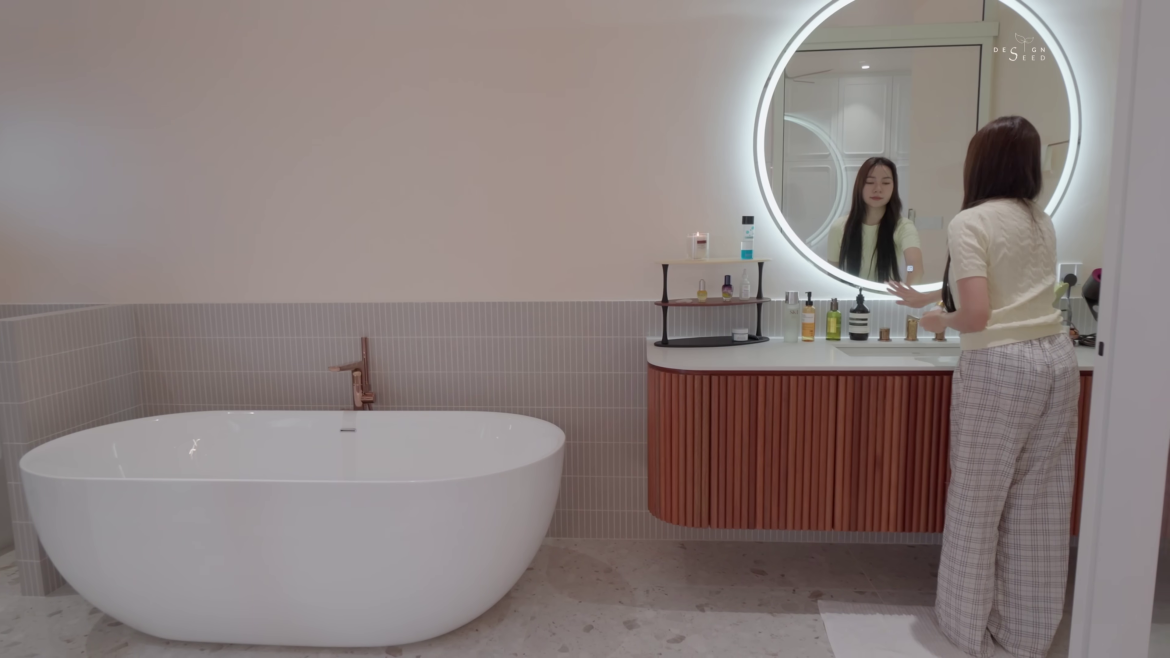
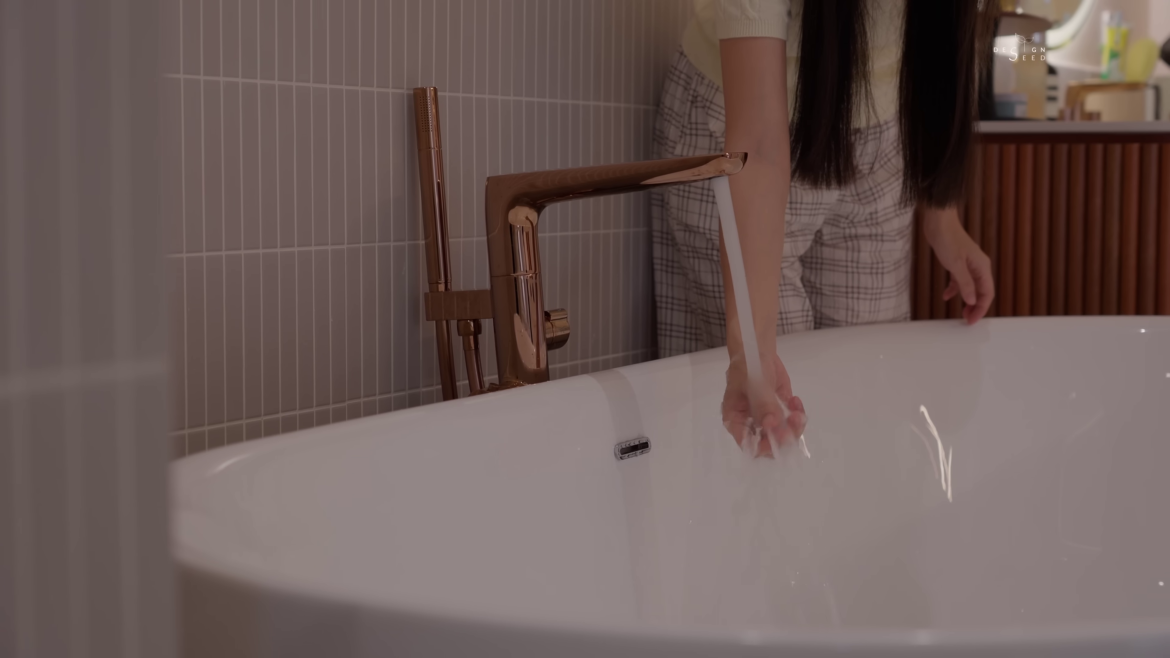
Bathroom: Rethinking Everyday Flow
The bathroom is where our day begins and ends. But in most homes, the design is often dictated by standard layouts.
In reality, bathroom planning is not as simple as it seems—it’s about understanding flow and circulation.
As designers, we consider how flow can support daily rituals, and how a space can reset both the mind and body.
Luxury lies in convenience and effortless flow—where switches and essentials are placed exactly where the hand naturally reaches.
Poor planning—like walking through an air-conditioned space unnecessarily, or stretching to reach a towel or switch—can disrupt the entire experience.
Thoughtful solutions such as:
Two-way switches
Master controls
Well-positioned smart systems
…create a more seamless and convenient flow.
Bathroom as a Space for Wellness
In many homes, the bathtub becomes an aesthetic feature—used only occasionally.
But modern life has changed. Our routines are now faster, more demanding, and often exhausting.
So the way we reset and care for our bodies must evolve. When designed with intention, the bathroom becomes a space for daily therapy.
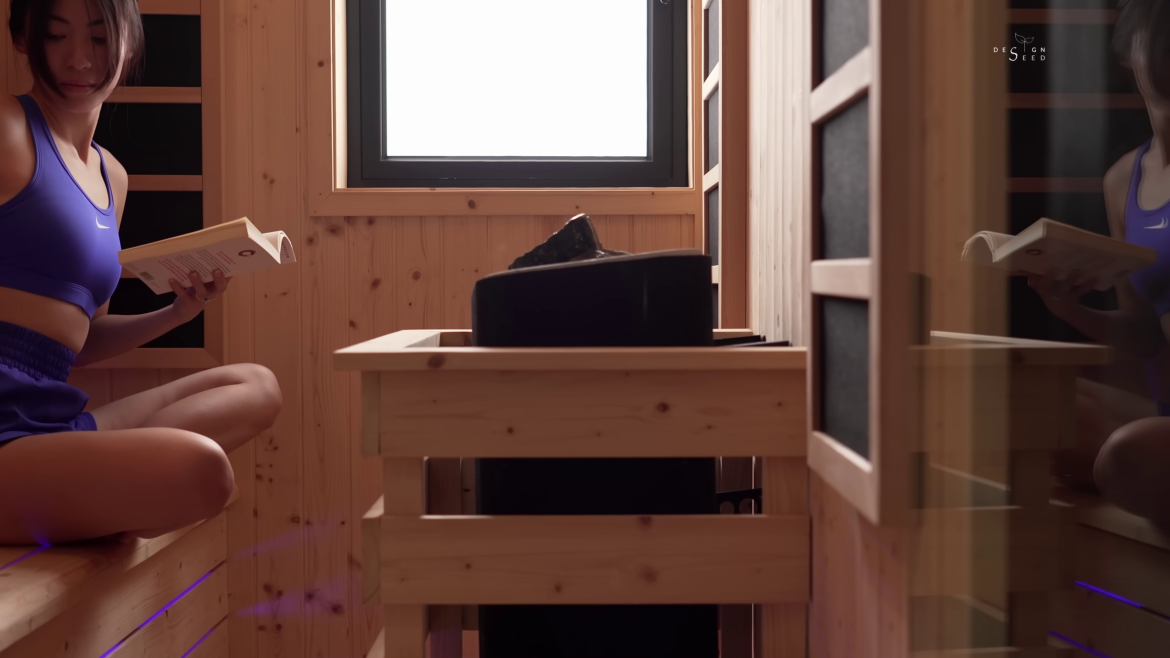
Treatments once reserved for spas and athletes—such as ice plunges, sauna, and steam baths—are now reshaping how people manage stress, sleep, and circulation.
The Role of Materials
Materials often go unnoticed, but they define the feel of a space.
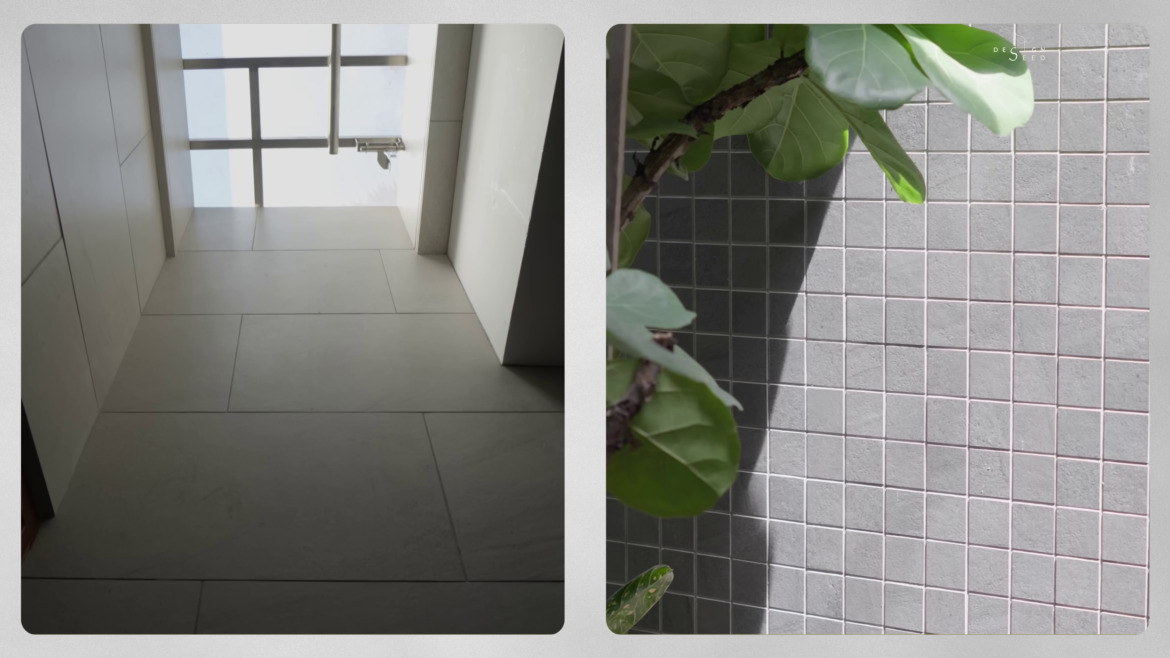
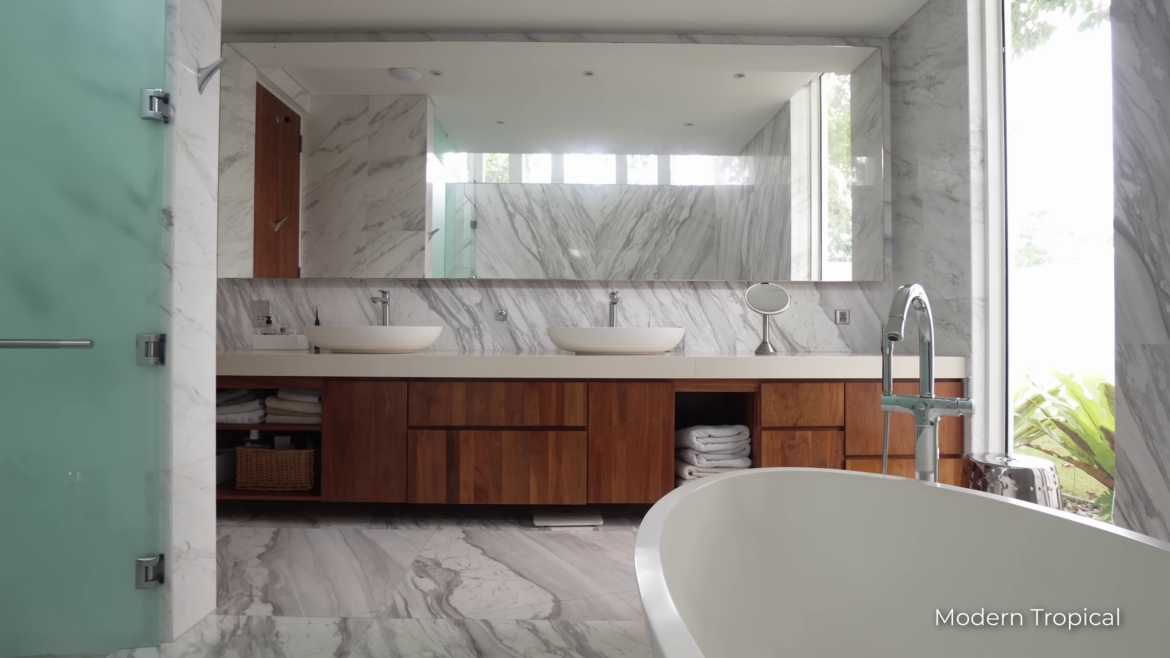
With tiles, edges and joints are always visible, interrupting the visual continuity. Using marble instead creates a smoother, more seamless look.
But beyond visuals, luxury is often felt in the smallest moments.
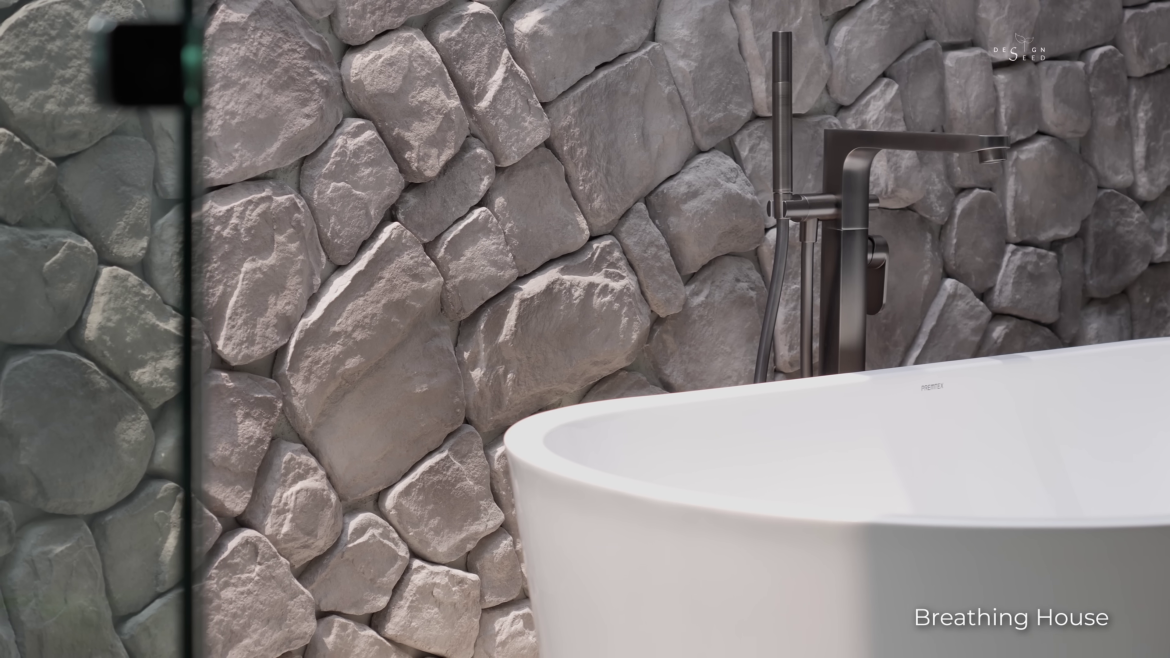
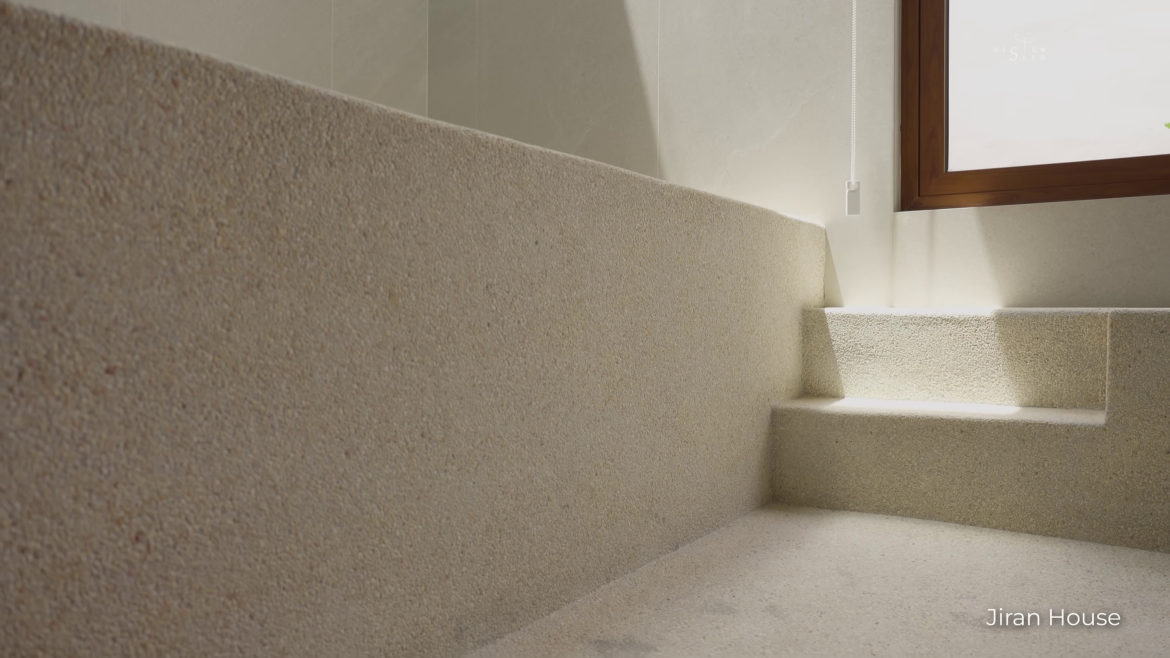
For example, textured flooring in the bathroom—after a shower, stepping onto a natural textured surface with clean feet transforms the entire sensory experience, while also reducing slipperiness.
Raw stone, concrete, or tactile tiles engage the senses. It’s not just about durability or safety—it’s about how the material feels, and how it reconnects you to natural textures.
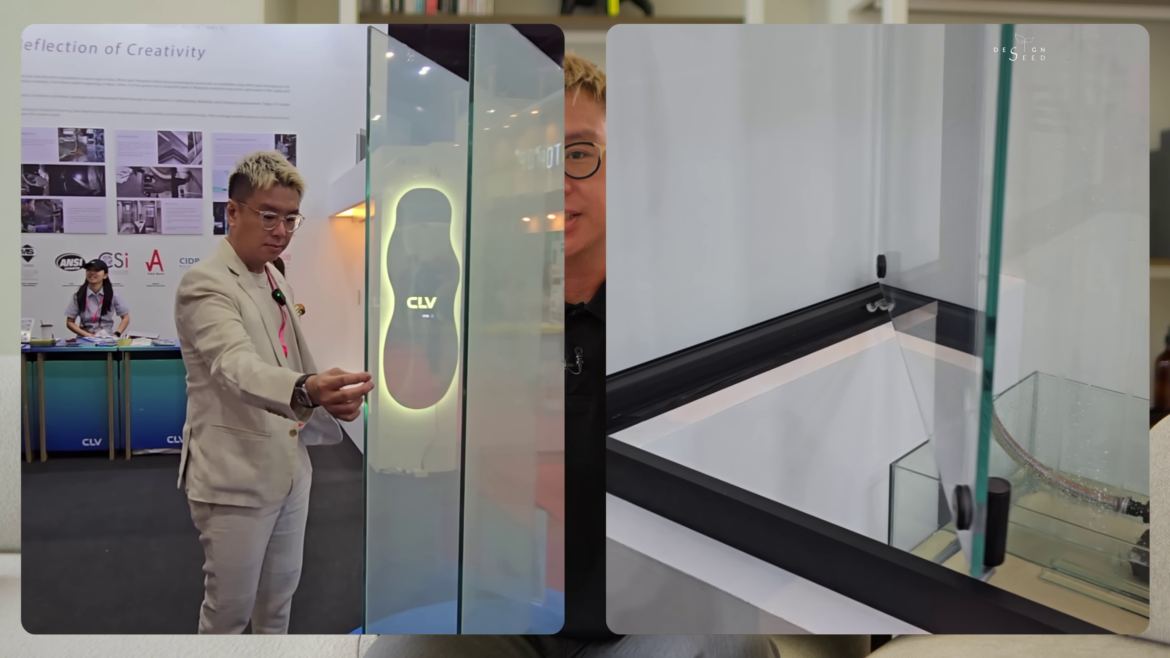
Even practical upgrades like nano-coated shower glass help keep surfaces clean and stain-resistant, reducing maintenance. This is where luxury moves beyond appearance—and becomes sensation.
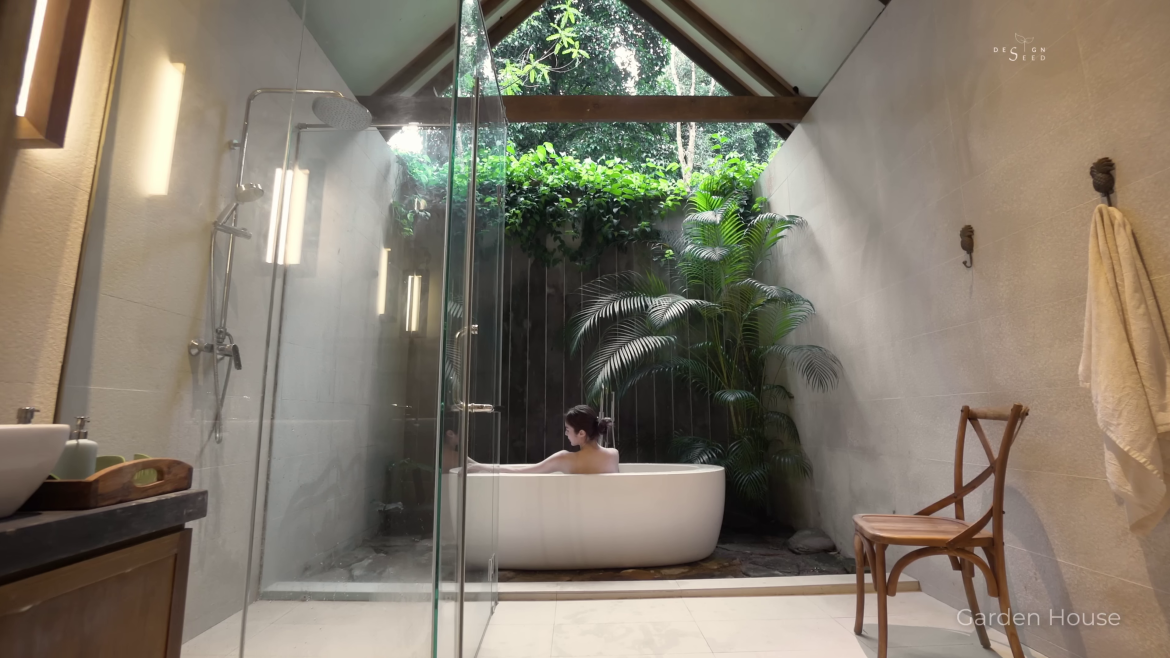
Privacy, Light, and Greenery
Good ventilation and natural light are essential—but so is privacy.
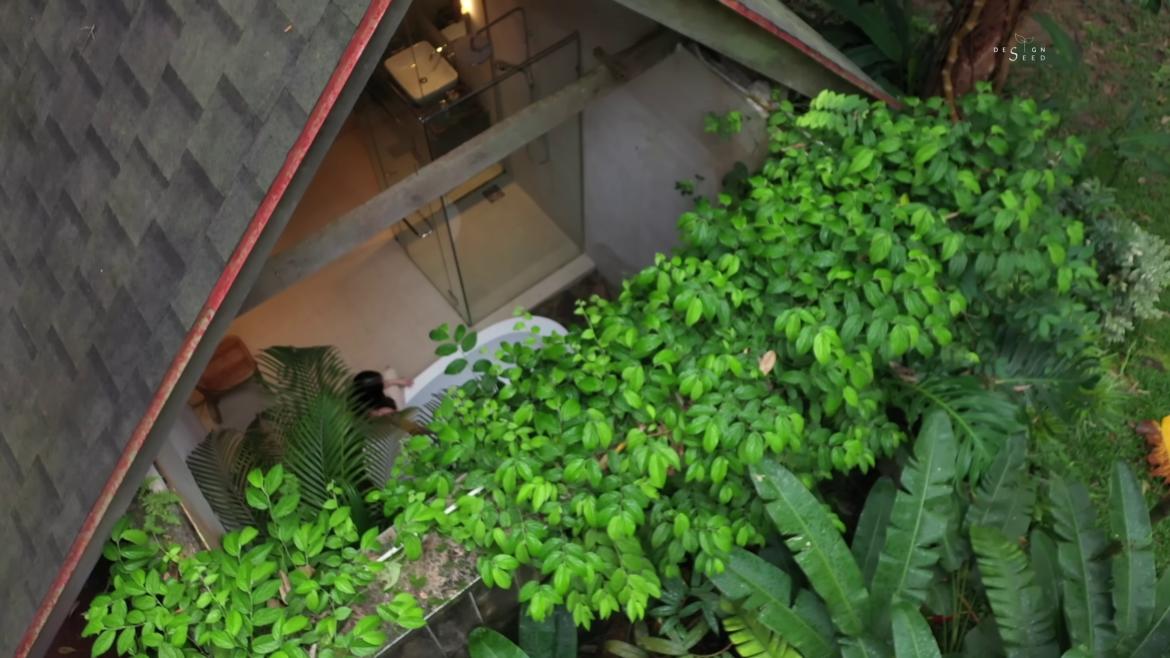
Instead of curtains, consider using plants. If the bathroom receives ample light, greenery can act as a natural screen while creating a pocket of nature within the space.
Bedroom: Designing for Rest and Recovery
The way we start and end our day shapes how we live. And naturally, the experience flows from the bathroom into the bedroom.
Sleep Therapy
Understanding sleep is an essential part of bedroom design.
To recreate the coziness of a luxury hotel room:
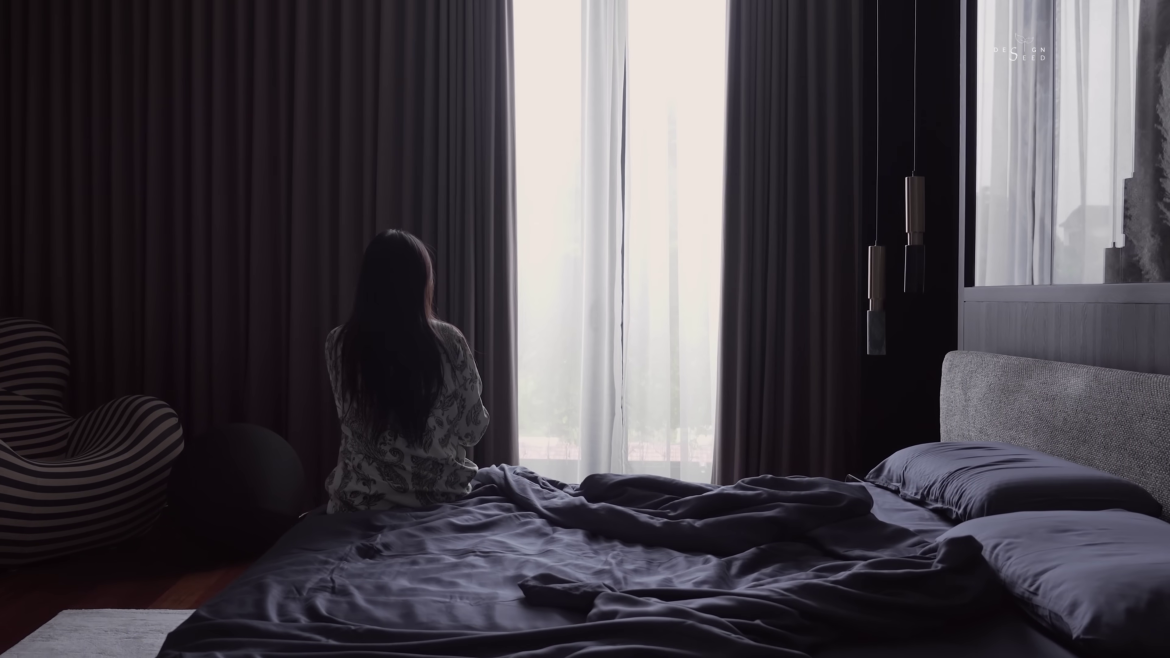
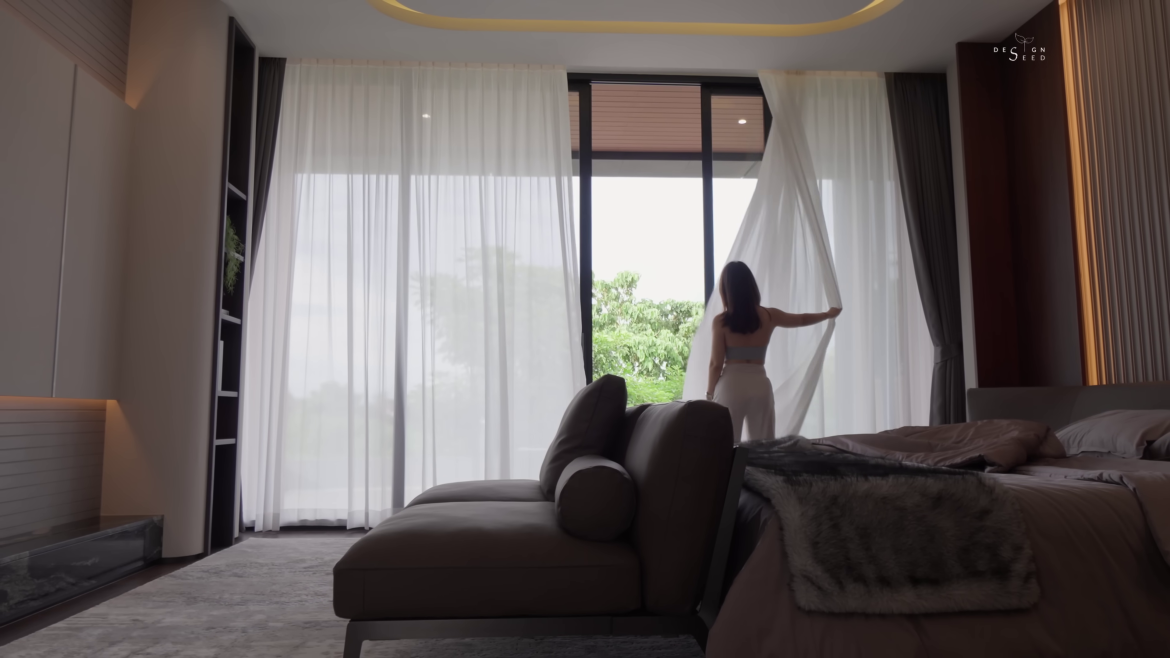
Use blackout curtains to block external light
Enhance acoustics for a quieter environment
Integrate motorized curtains for convenience
Temperature and natural cross ventilation also shape the overall experience. On cooler nights, opening windows for natural airflow can be more comfortable than relying on air conditioning.
The Importance of Bedding
Did you know we often sleep better in hotels?
Deep sleep depends on two simple factors:
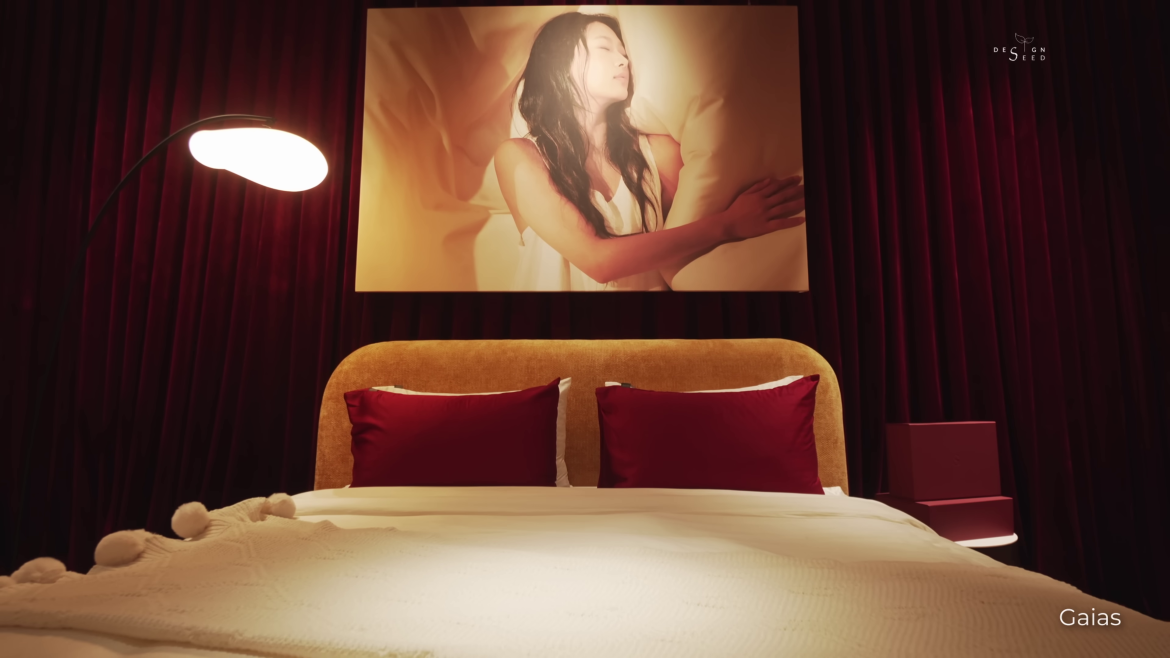
Proper pillow support
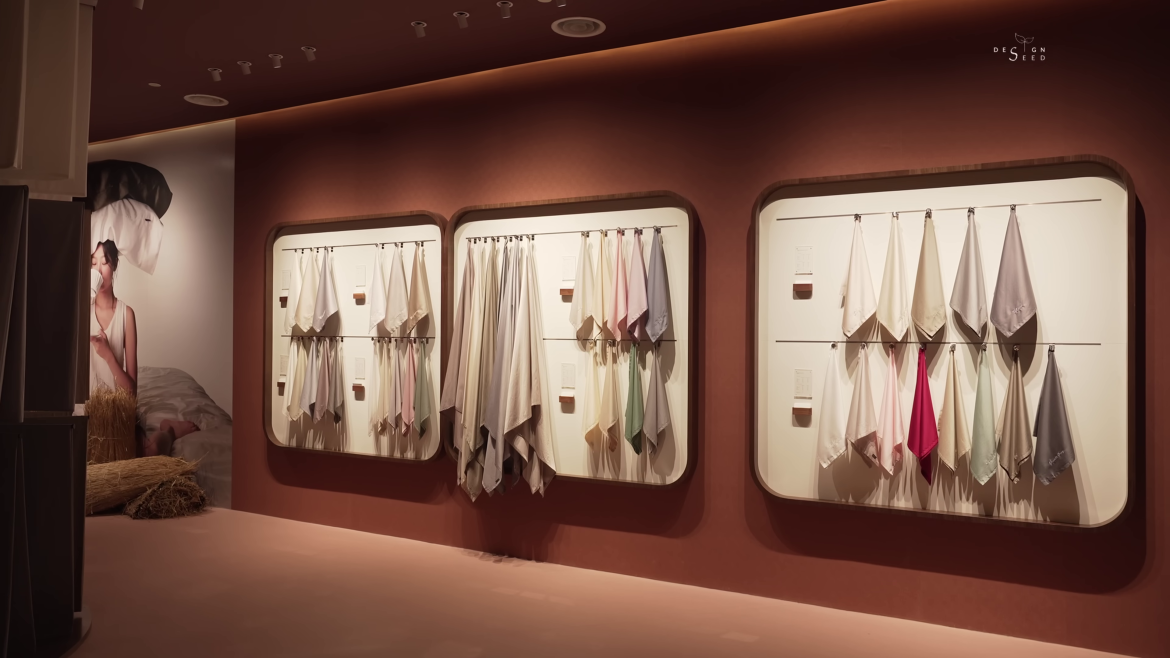
Suitable fabric quality
Thread count plays a role. An ideal range of 700 to 800 offers:
Durability
Comfort
Better resistance to dust mites
Higher thread counts, such as 1,200 and above, may feel softer initially but are more delicate and prone to tearing.
The Borrowed Landscape
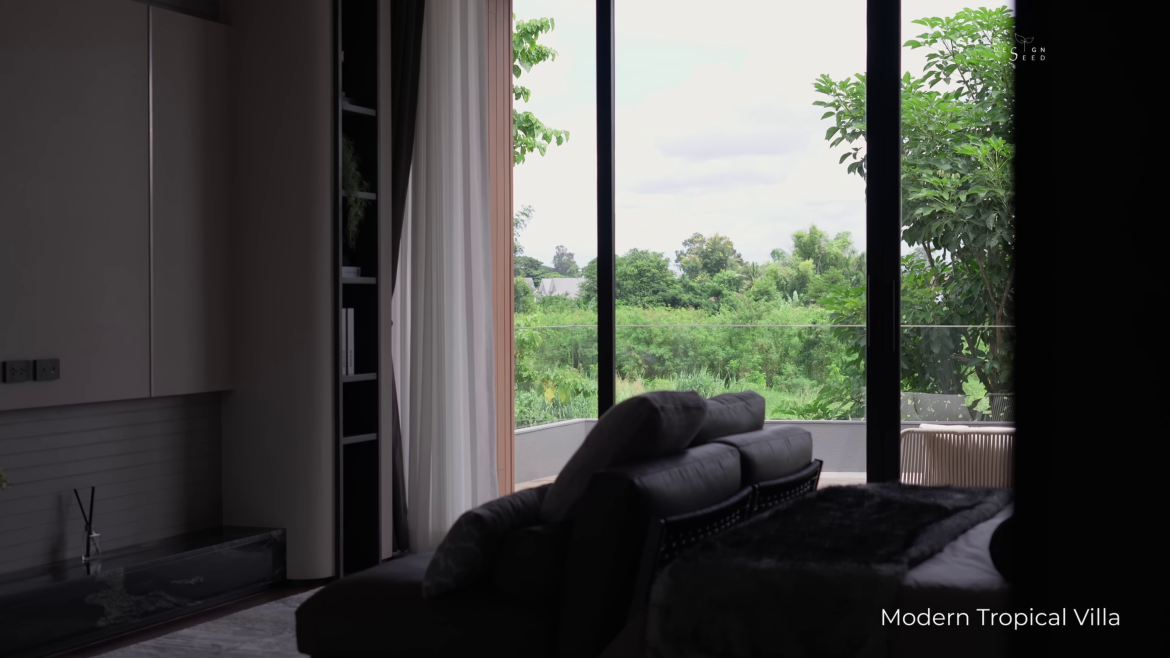
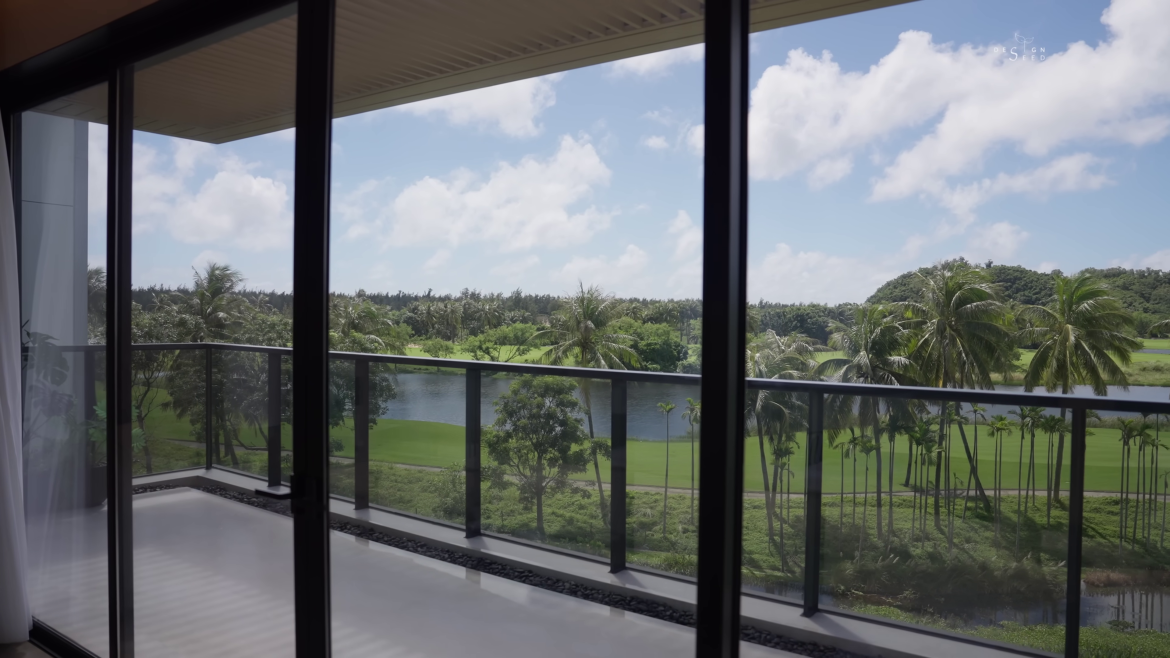
Every bedroom should be intentionally curated with a view.
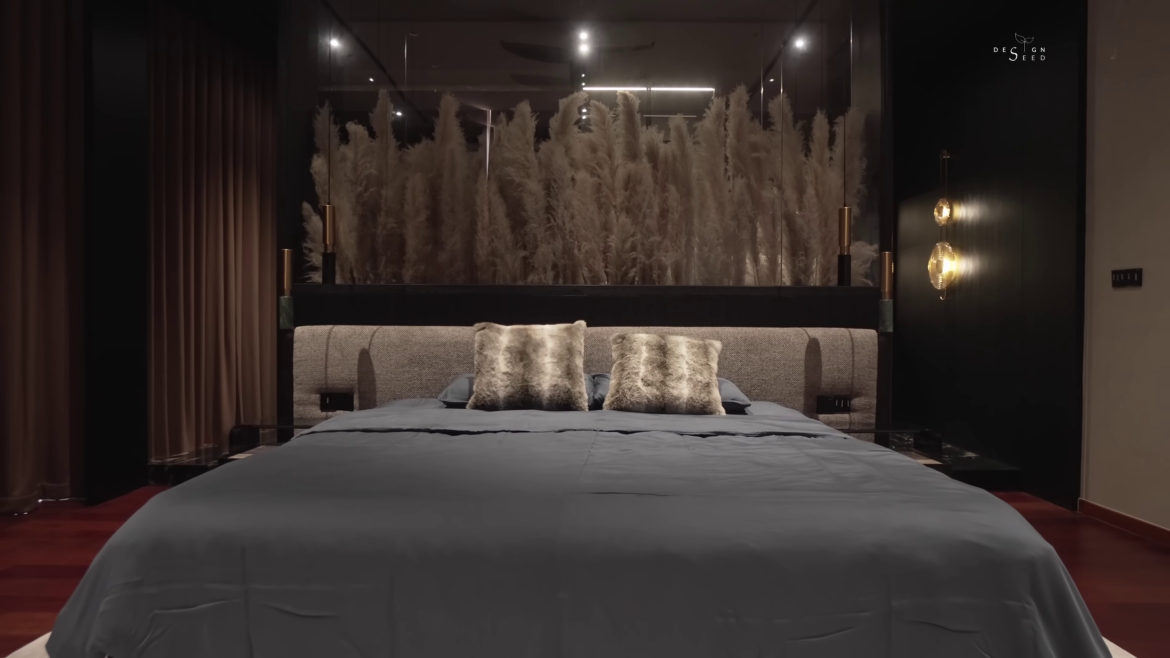
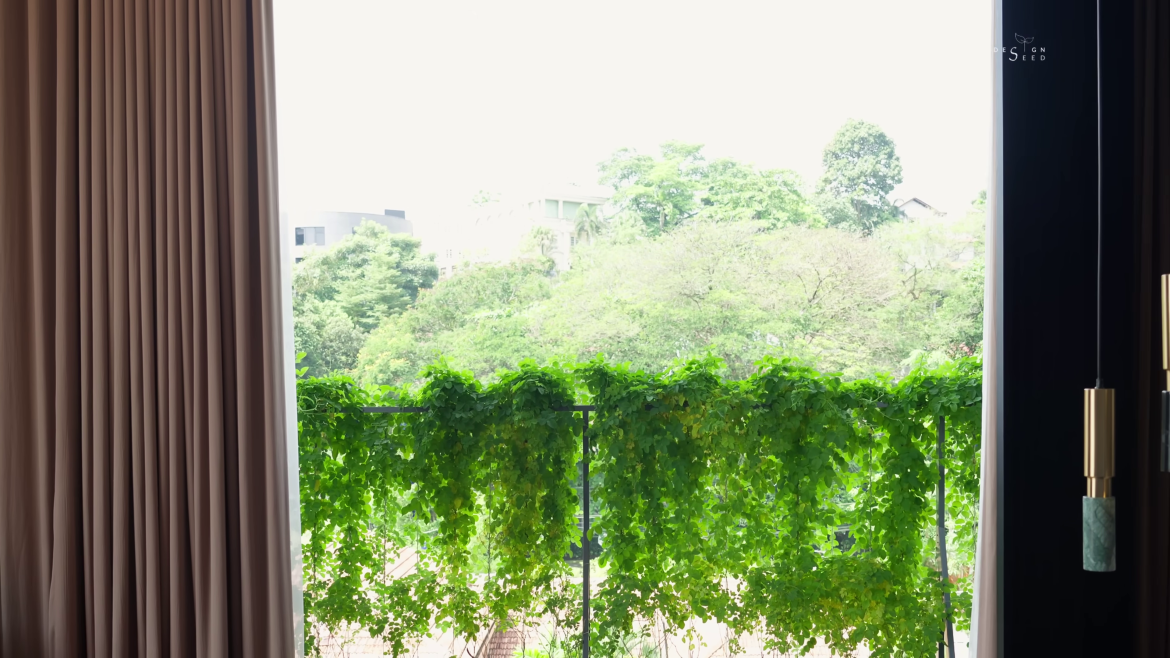
In many homes, windows face neighboring buildings or lack a meaningful outlook. In such cases, designers create their own landscape using greenery to enhance the quality of the view.
When these elements come together, the bedroom becomes more than a place to sleep—it becomes a space for recovery and restoration.
Lighting: Shaping the Experience
Layering Light
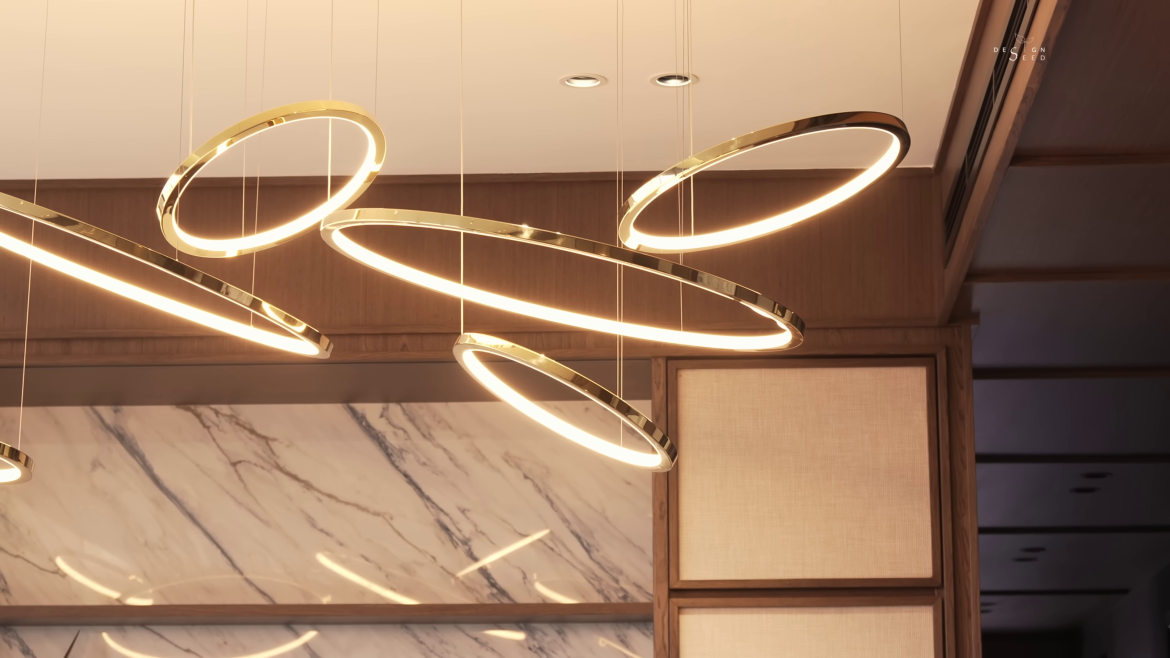
Luxury is not just in materials or finishes—it’s in how a space makes you feel. Lighting plays a critical role in this.
To create a comfortable environment, lighting should be layered.
Want to understand how good design works?
Join our Design Seed membership program for only $5 and get behind the scenes access in depth reels and our exclusive handbook that breaks down technical design knowledge into practical tips you can apply to your own home.
Back to the story:
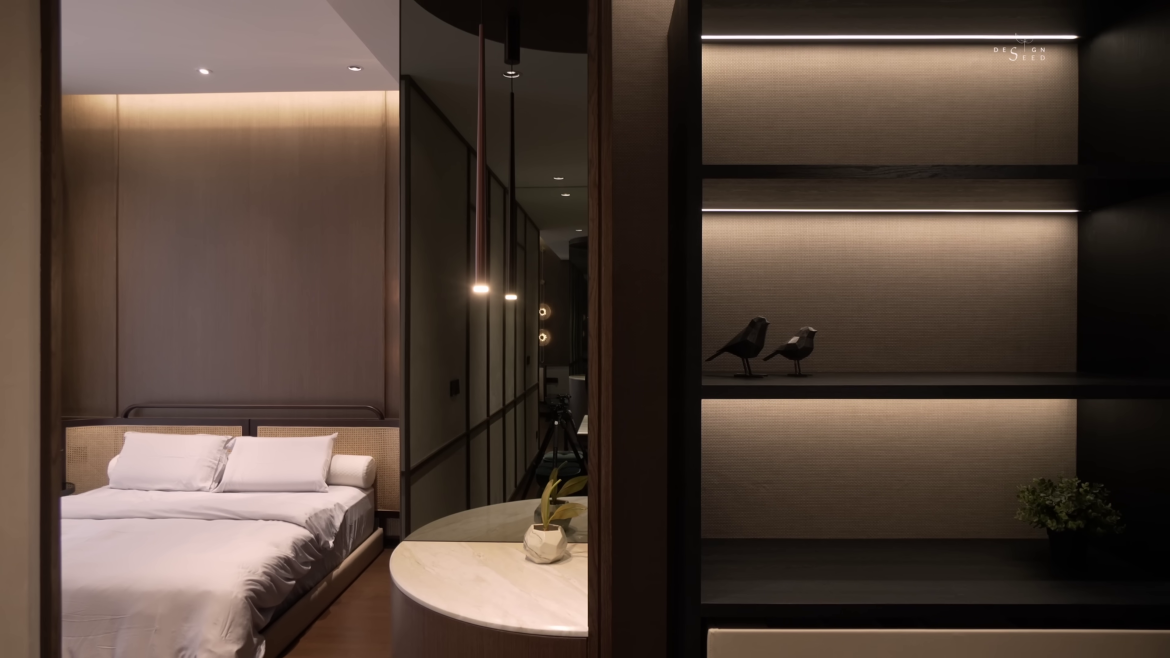
For bedrooms and living spaces:
Use 3000K LED lighting
Bright enough for function, soft enough for rest
Exposure to this warm lighting for a few hours before sleep helps signal the body to unwind.
Thoughtful lighting transforms a functional space into a restorative one.
Living Room: Creating Calm
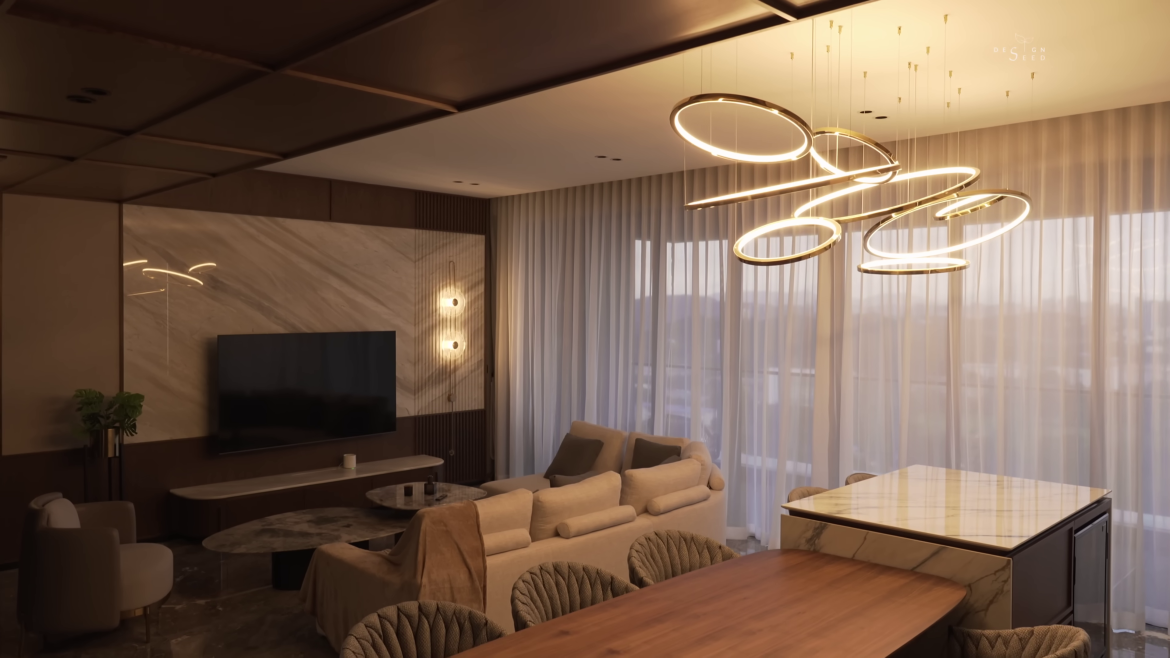
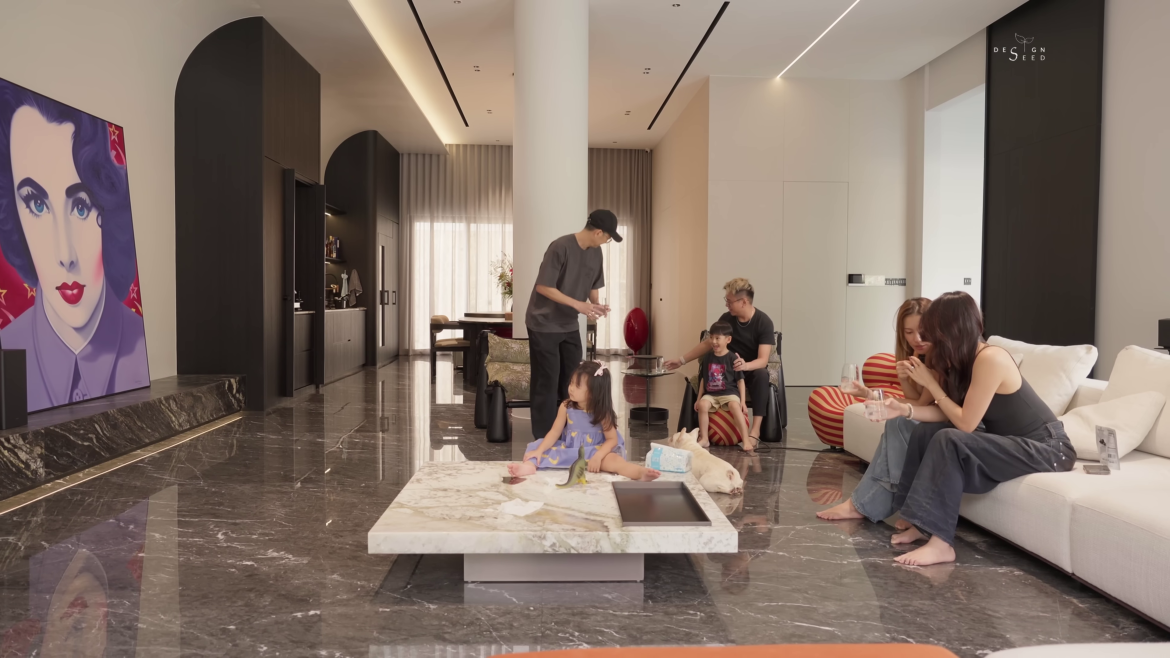
Luxury in the living room is not about extravagance—it’s about how the space makes you feel.
Furniture
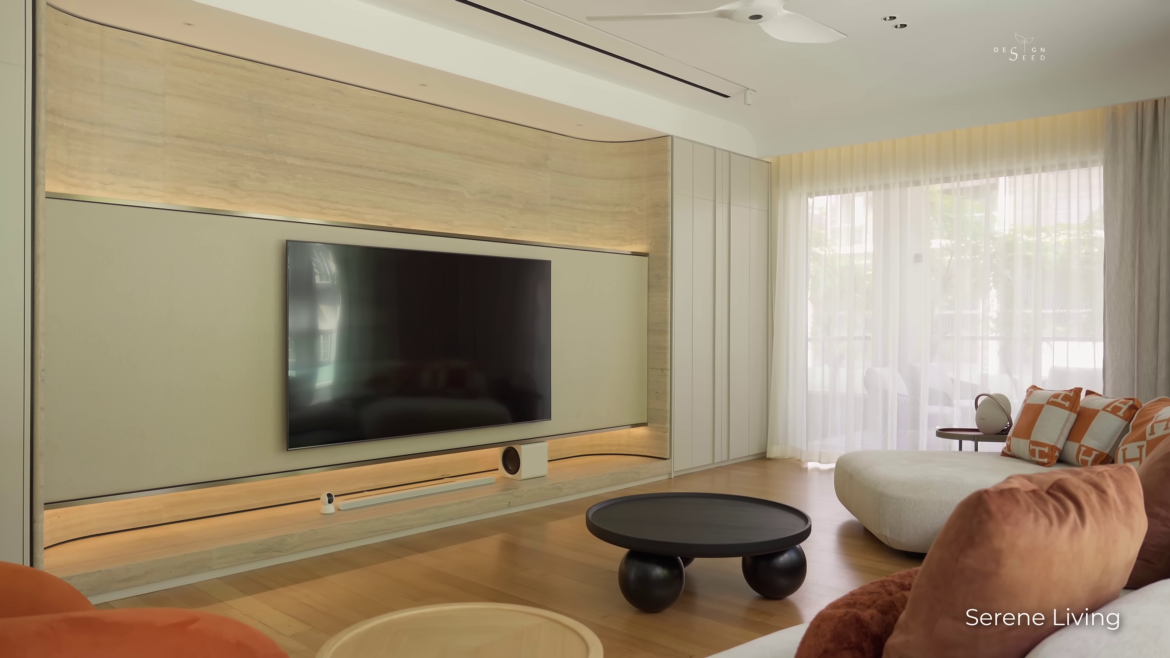
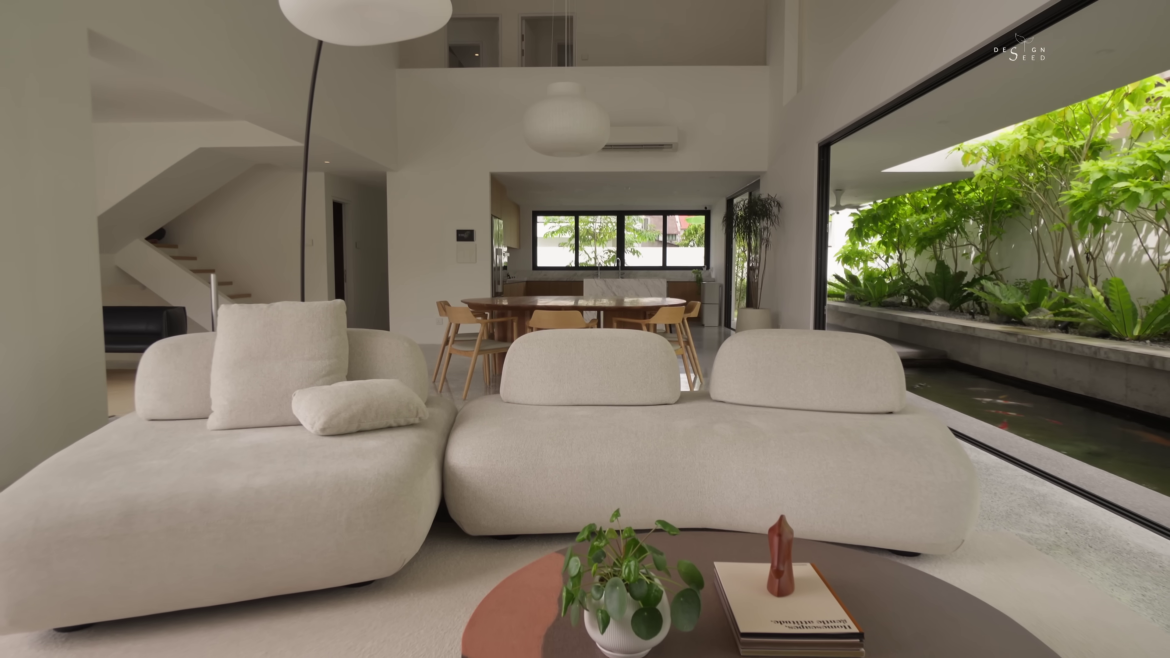
Low-back, low-profile furniture creates openness and ease. Seating that sits closer to the ground encourages more relaxed interactions.
Storage
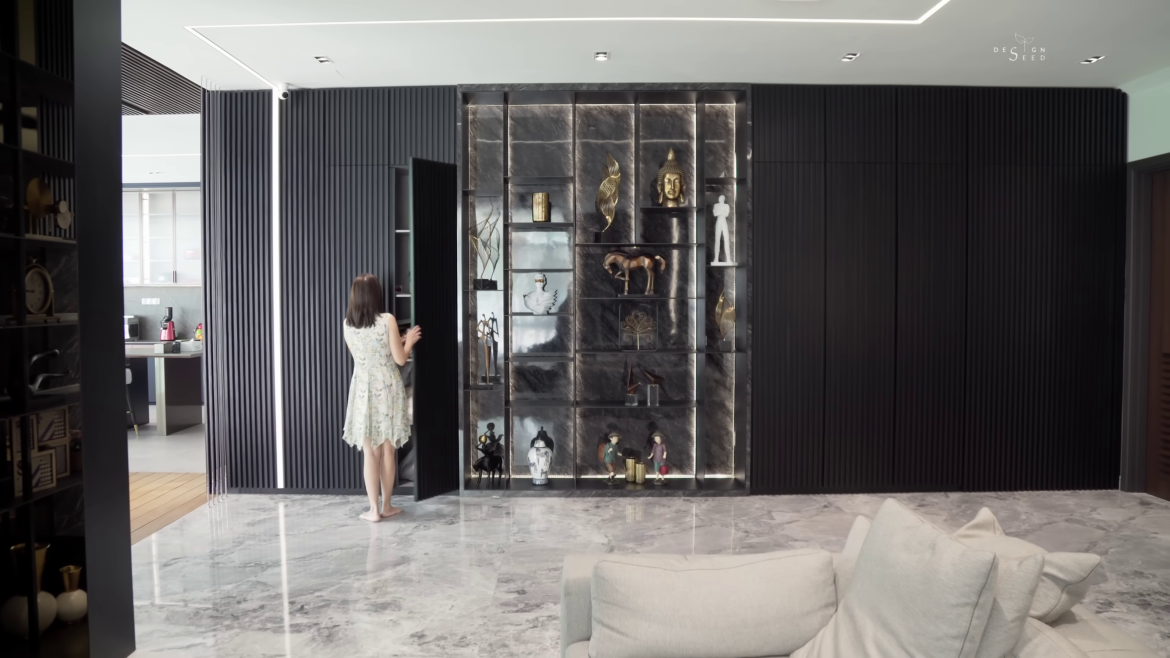
Clutter and visual noise can undermine the sense of luxury.
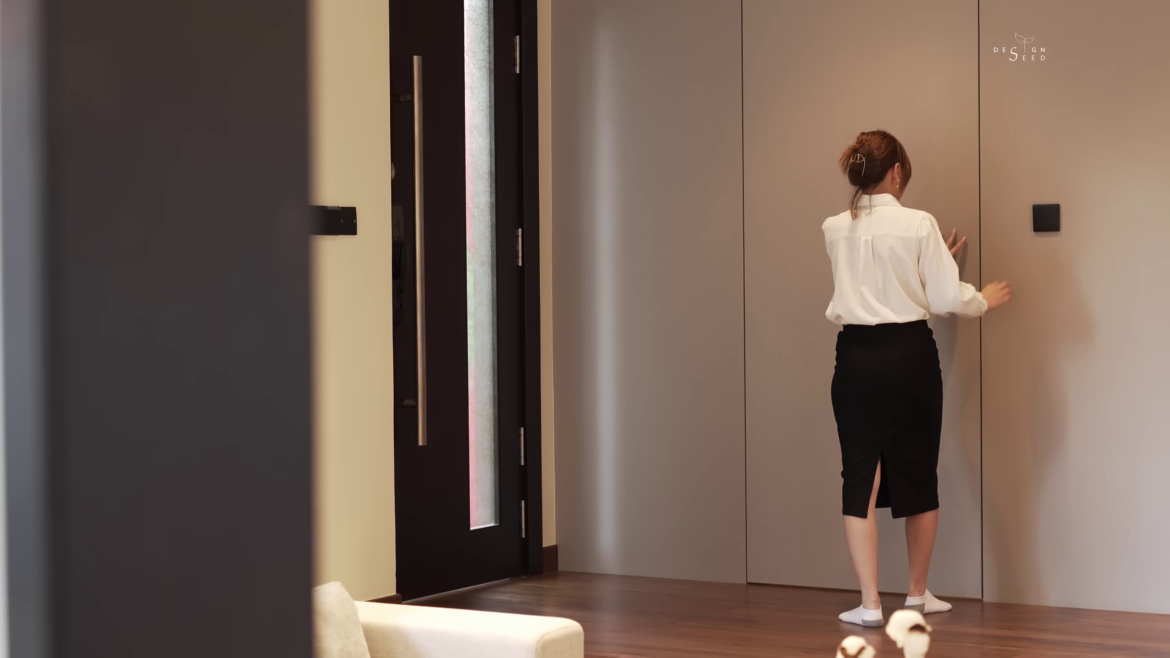
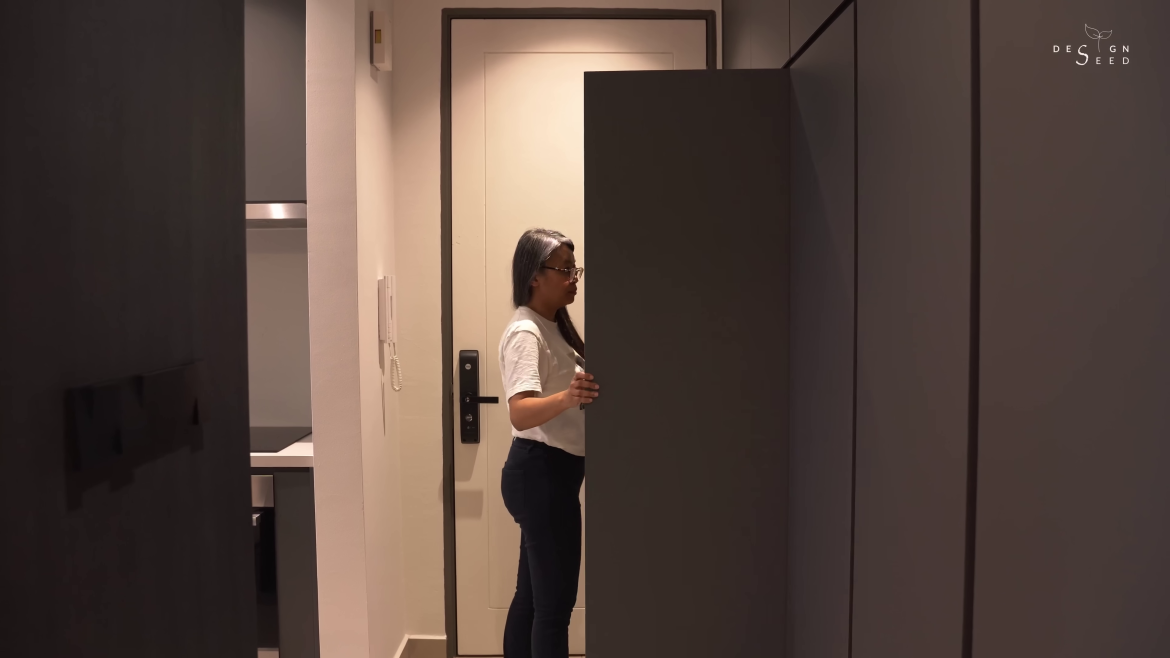
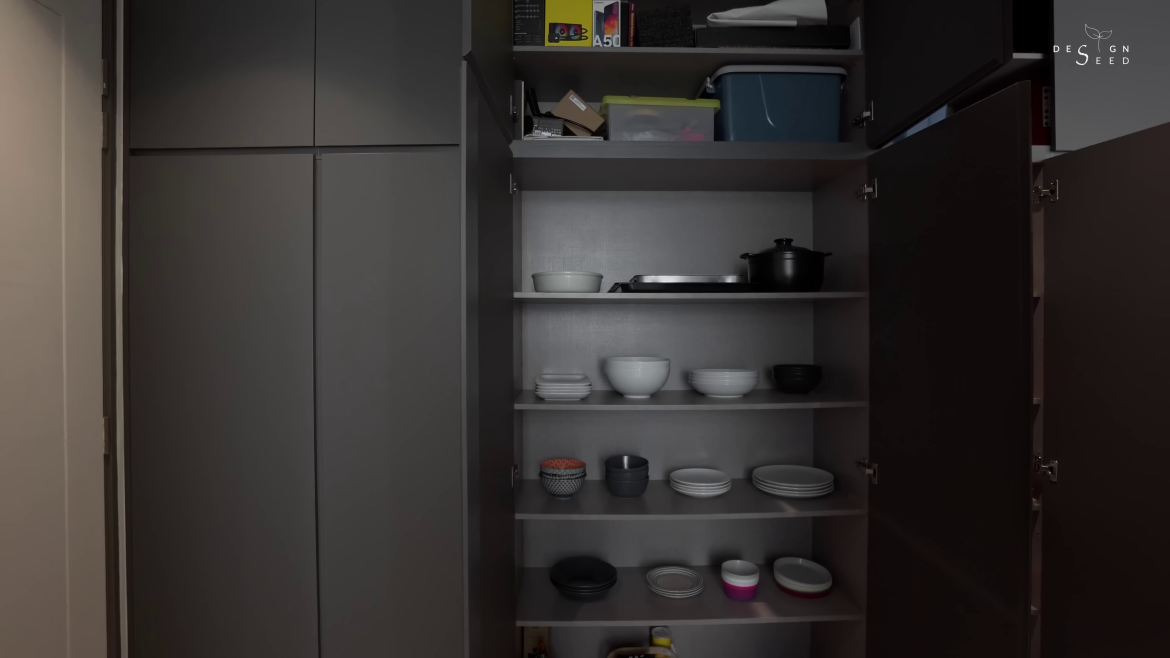
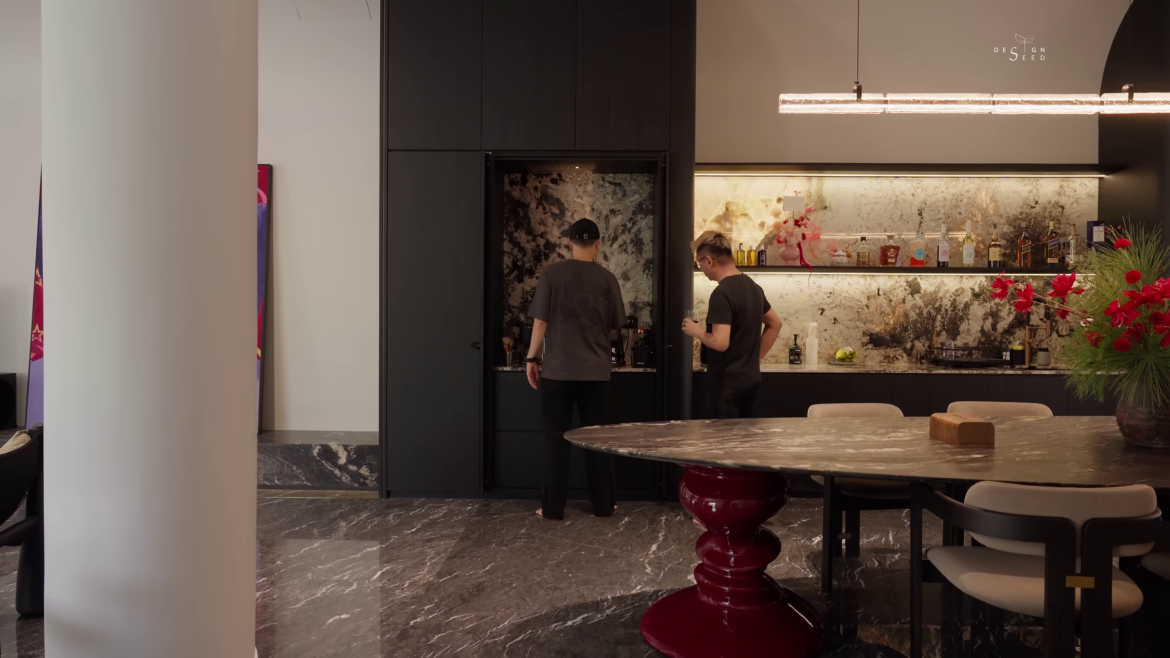
Investing in storage allows everyday items to be tucked away, keeping surfaces clear. Built-in cabinetry with hidden handles or push-to-open systems ensures a seamless and clean look.
Materials
Materials should be given space to be seen and appreciated. For heavily used surfaces, avoid overly bold patterns that may become visually overwhelming when cluttered.
Ventilation
Understanding airflow allows designers to create naturally cool and comfortable spaces.
Cross ventilation improves air movement
Plants help filter incoming air and reduce noise
Water features introduce calming sounds and cooling effects
Together, these elements create a more effortless living environment.
Landscape: Extending the Space
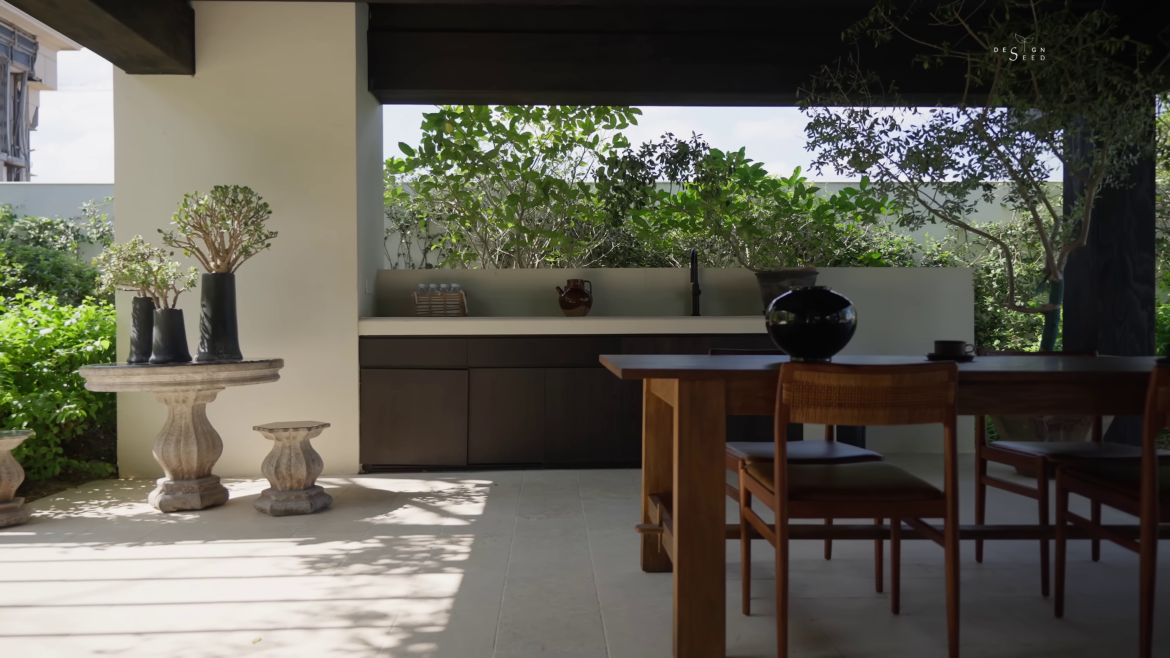
Even in dense urban environments, a sense of openness can be achieved.
Borrowed Landscape
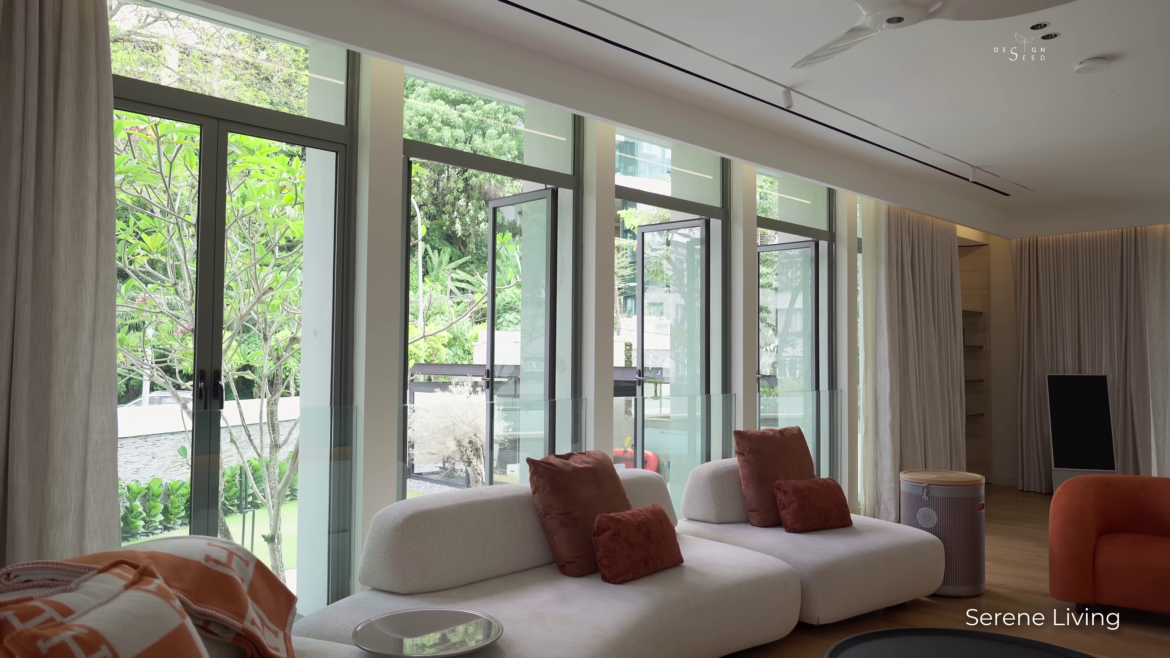
Framing views of surrounding greenery or distant elements makes a space feel larger and more inviting.
Designing to Be Seen
A common design mistake is investing in landscaping, only to hide it behind curtains due to privacy or glare.
True luxury is having the freedom to leave those blinds open—and actually enjoy the view.
Kitchen: Designing for Workflow
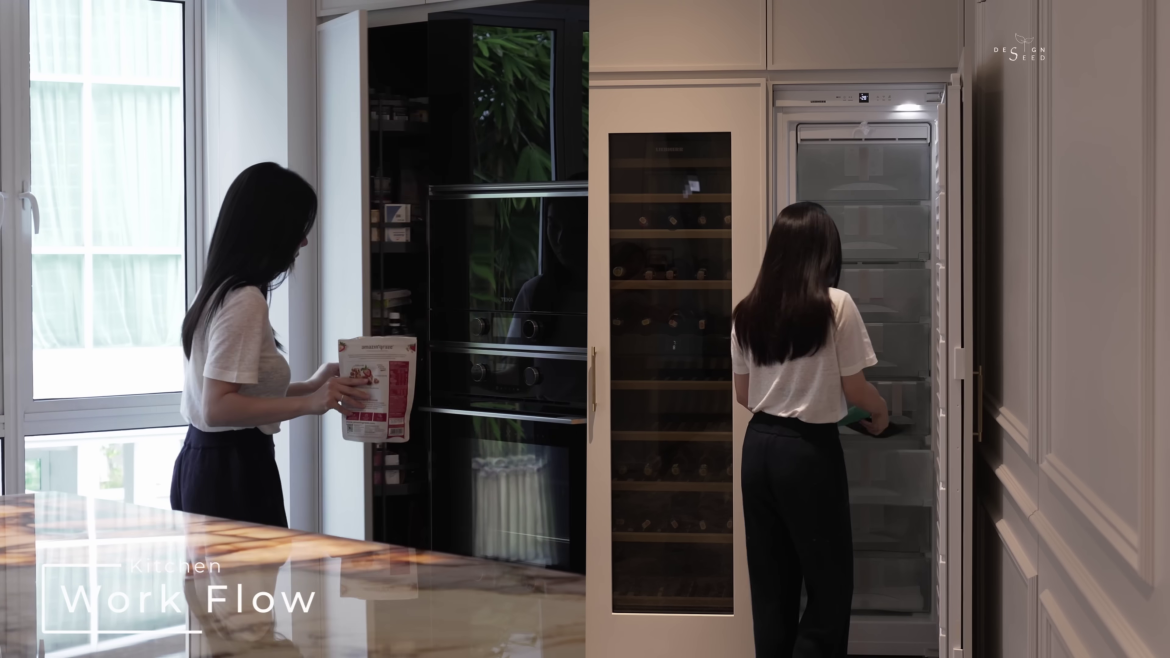
Luxury in the kitchen begins with workflow.
A well-designed layout reduces friction, allowing intuitive movement between the sink, stove, and refrigerator.
When daily routines require less effort, even simple tasks become more enjoyable.
Storage and Clarity
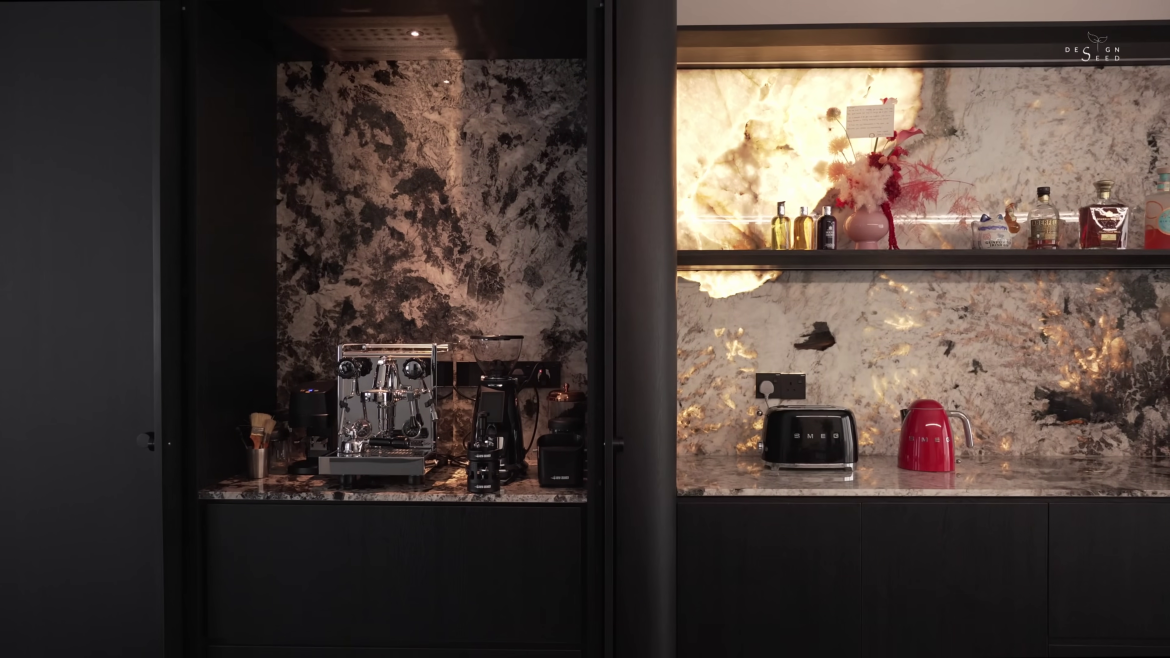
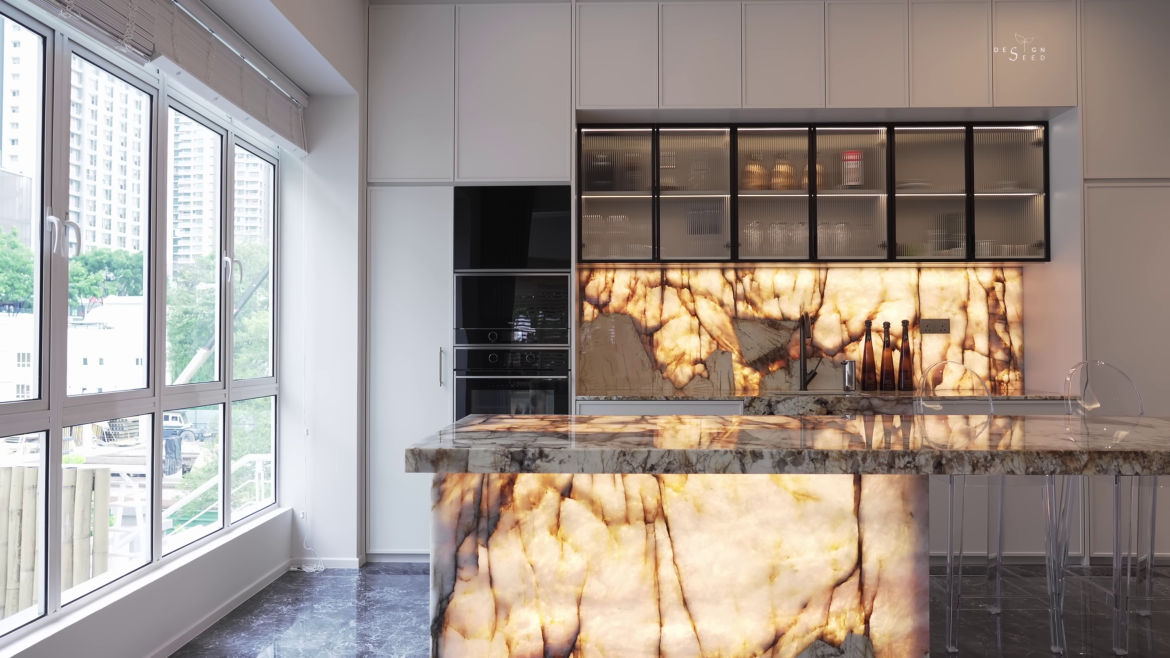
Integrated storage and concealed appliances reduce visual noise, creating a calm and intentional space.
Durable Materials
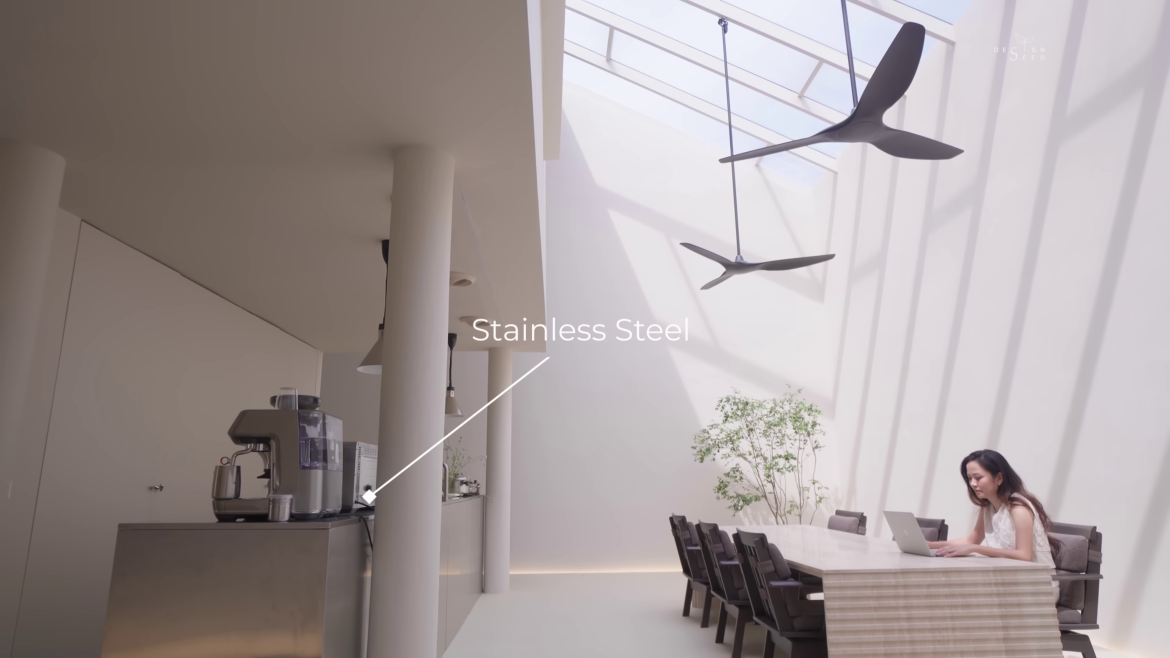
Material choices should prioritize longevity.
Surfaces that resist heat, stains, and wear maintain their quality over time—proving that true luxury is not delicate, but durable.
Spaces with Purpose
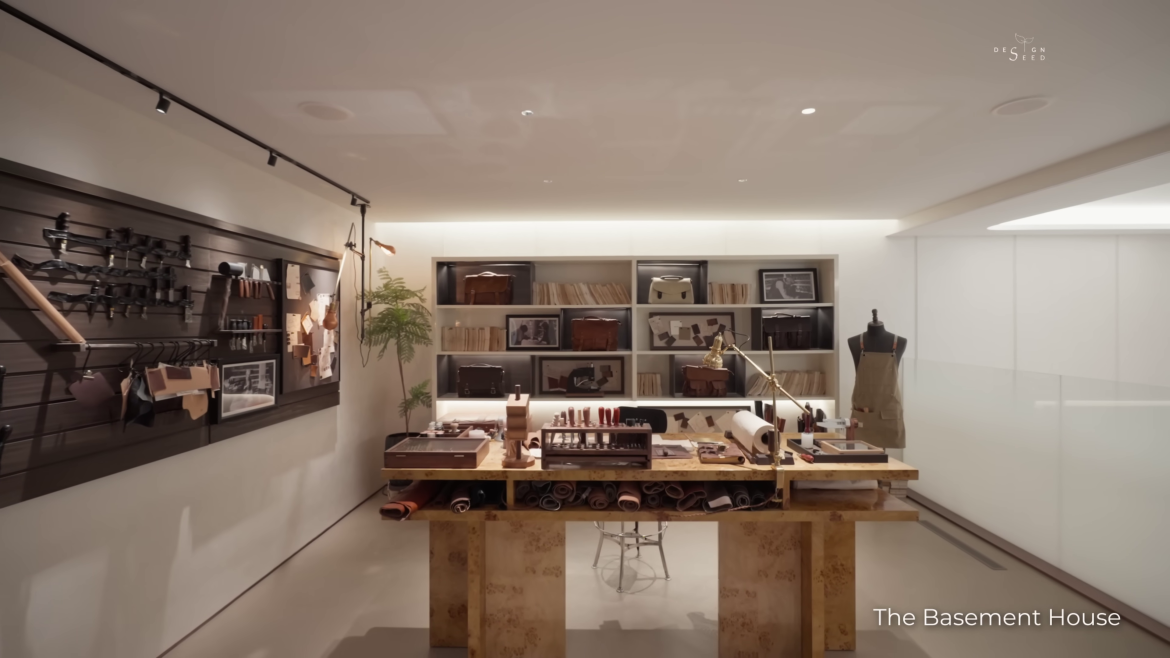
Instead of adding more rooms, true luxury comes from giving each space a clear intention.
Hobby spaces, wellness corners, and quiet retreats introduce purpose into daily routines.
Luxury, in this sense, is measured by how meaningfully a space enhances:
Productivity
Creativity
Rest
A New Definition of Luxury
This is not about the designer’s vision alone, but about designing around how people actually live. When spaces are thoughtfully crafted to support daily routines, they elevate not just the home, but the life within it—shifting luxury away from mere appearance and toward meaningful, lived experiences.