5 Tips For A Minimal Space | BEAU Modern Minimal Home Transformation | Condominium Interior Design
6 min read
Did you know that in Europe, high-rise condominiums are not commonly found? Yet in Malaysia, condominiums are rapidly mushrooming all over the city, ranging in all variations of sizes.
“In Europe, living is very expensive even in the countryside, so you either have those pavilions, those bungalows called D-Link-like residences, or you have flats. The condominium concept was something new to me. Basically, in Europe, you don’t see this kind of thing,” said Stéphane, the homeowner.
We have shared multiple articles on tips of designing your property, but today’s article on Design Seed we will be sharing not only the story of our clients’ apartment tour, a home designed by NU Infinity, but also the Top 5 rules for minimalist design.
Today’s read shares the story of a French national client who resides in Malaysia, for whom we have designed and renovated his property twice in the past ten years.
This is not just the story of our client’s apartment design; give this a read until the end for the top 5 rules for minimalist condominium design.
”My name is Stéphane, I’m 51 years old and I’m a French national. I settled in Malaysia almost 15 years ago and this is now my permanent home with my family. When we bought it actually second-handed, it was just ‘kosong‘, there was nothing in it and it was I think 10 years ago already. For us, we wanted to spend another four to five years minimum in this place. So this is the value that we wanted to put in the place to really give it like a kind of second life. So we have the same walls but when we enter again, it’s not the same place.”
“The main idea was what we call in French ‘beau’, which means beauty—something beautiful, but also functional.”
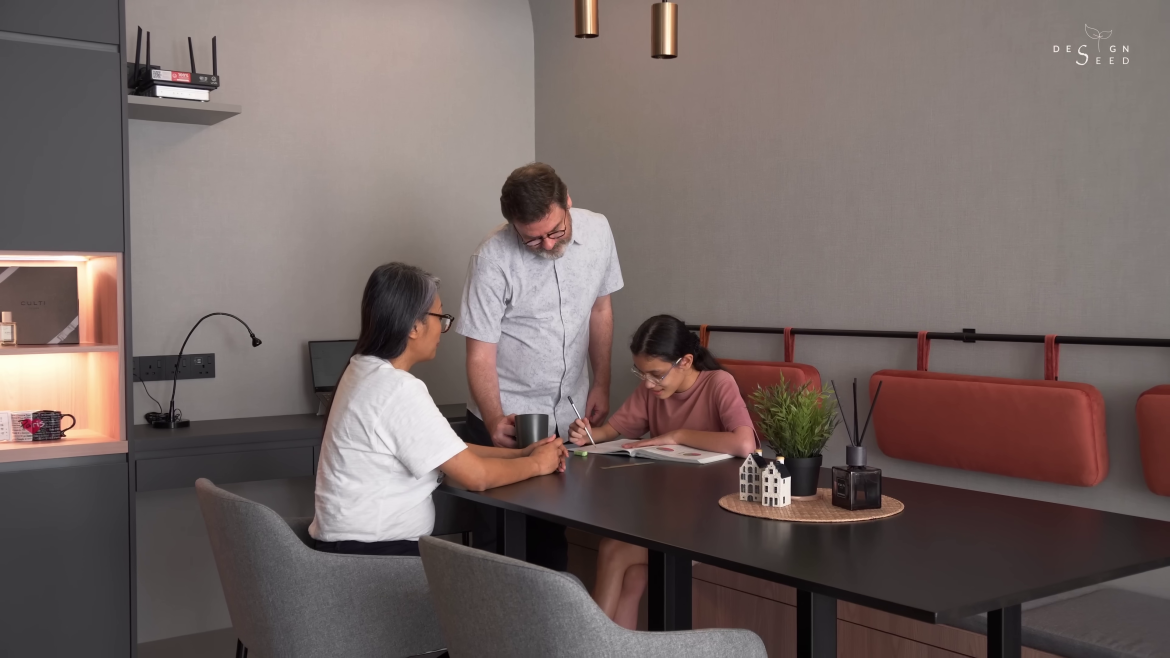
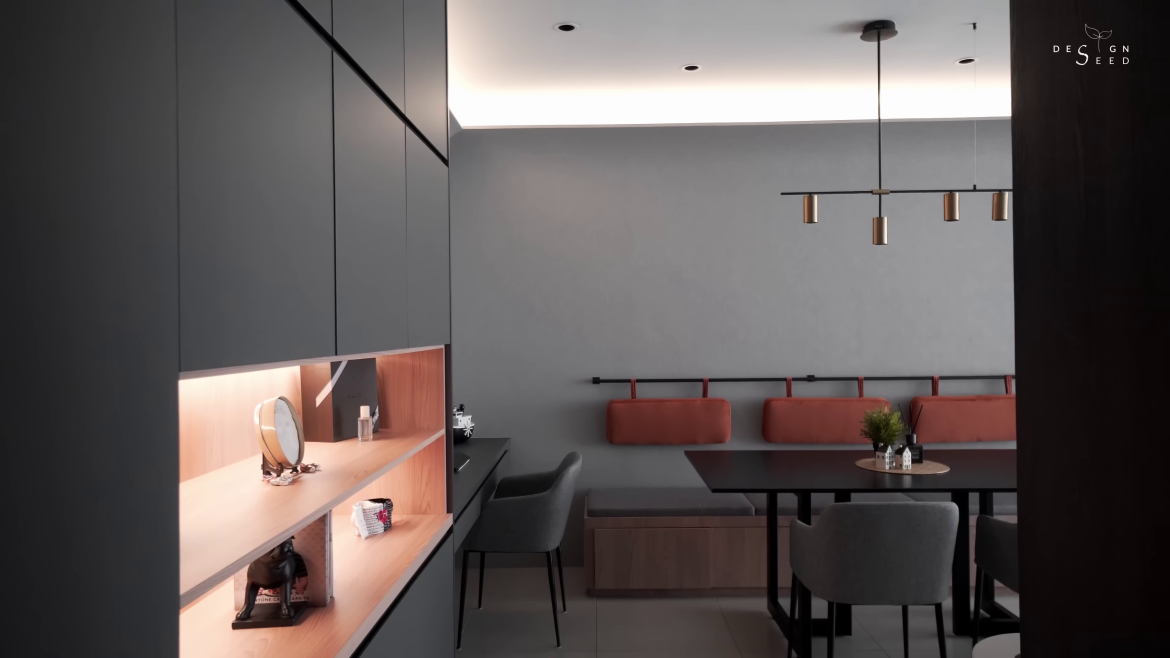
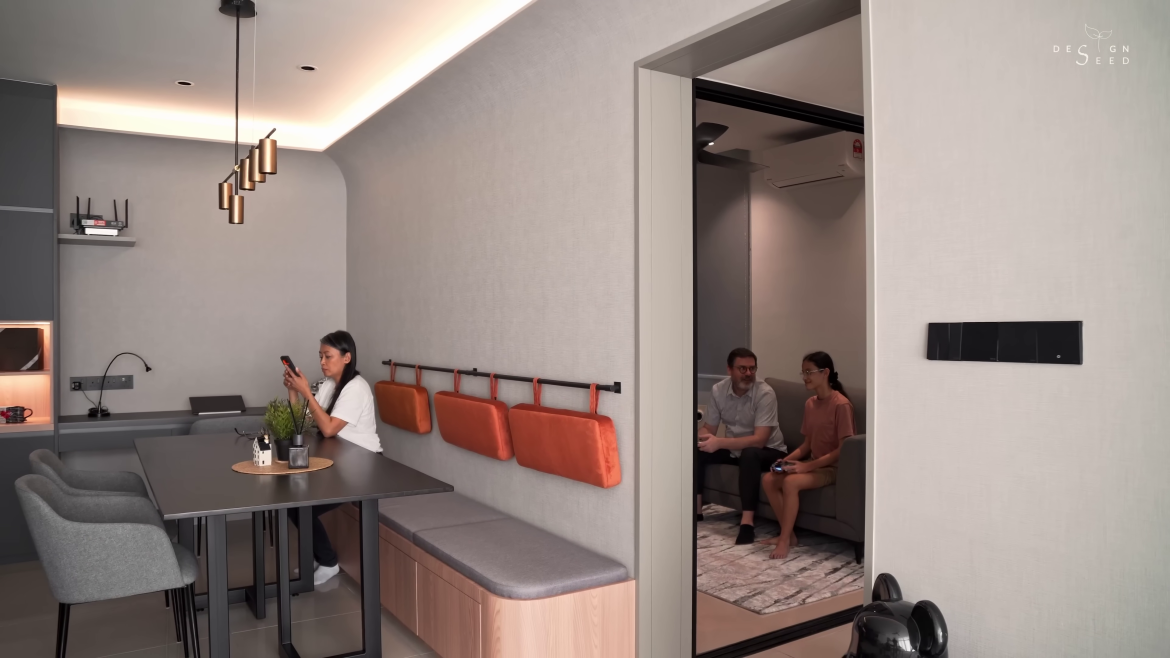
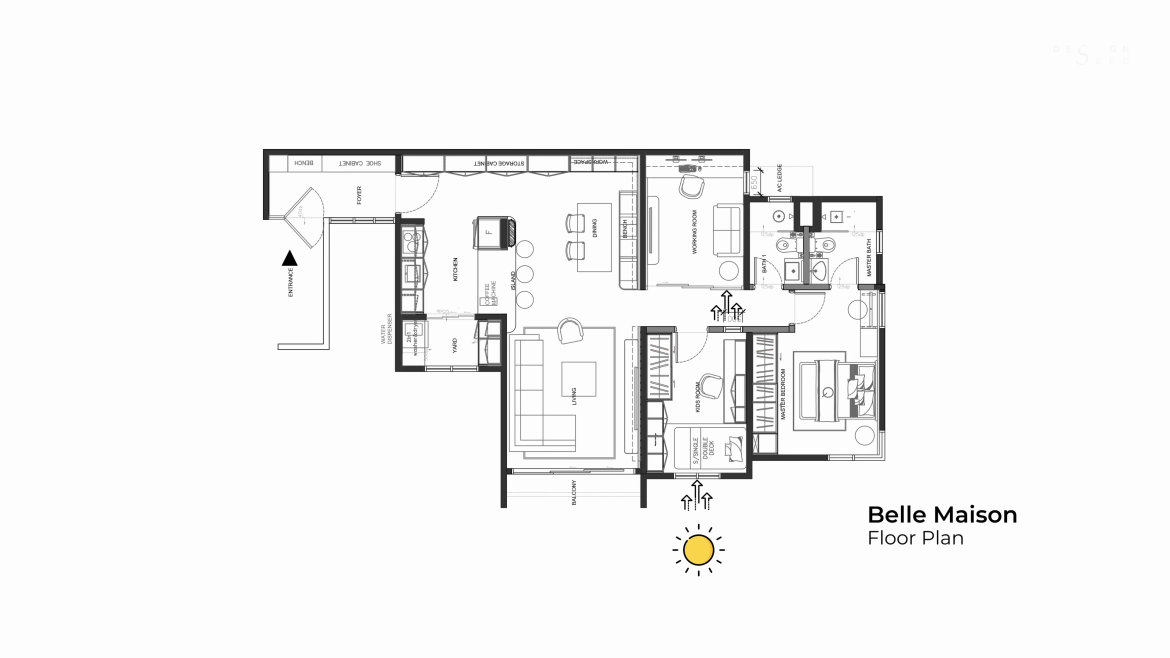
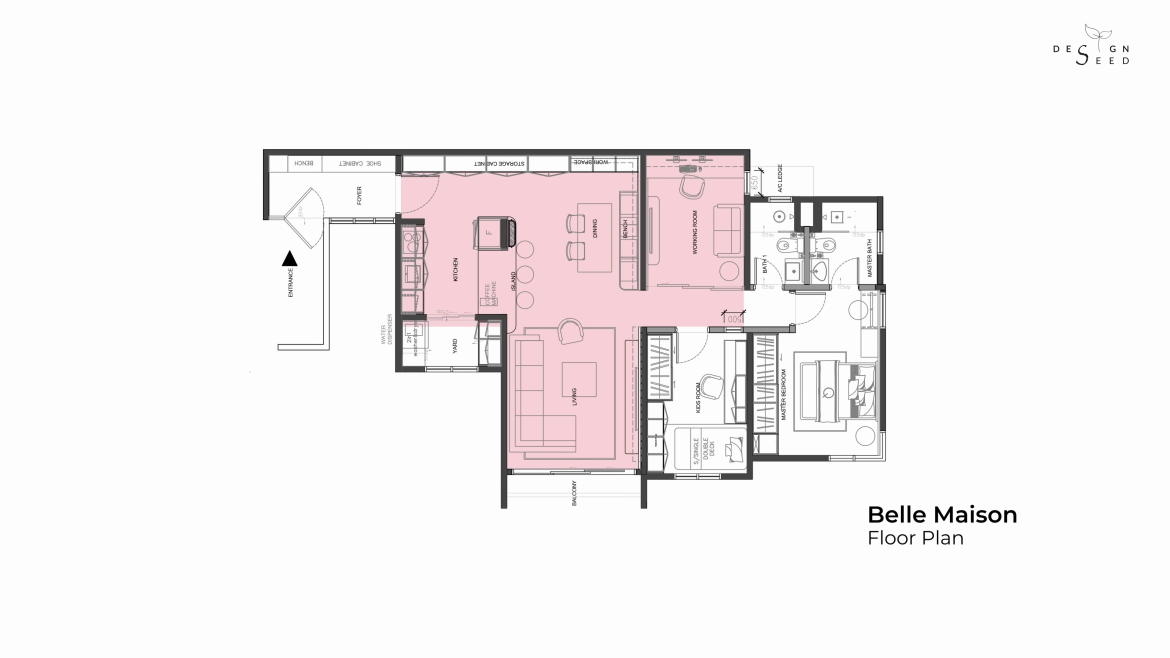
As you enter the unit, the dining area, tucked against the wall, greets you upon arrival. The idea of customising the seating along the dining feature wall was to optimise for a wider walkway throughout the apartment.
The outcome doesn’t only look stylish, but it is certainly functional and space-saving too.
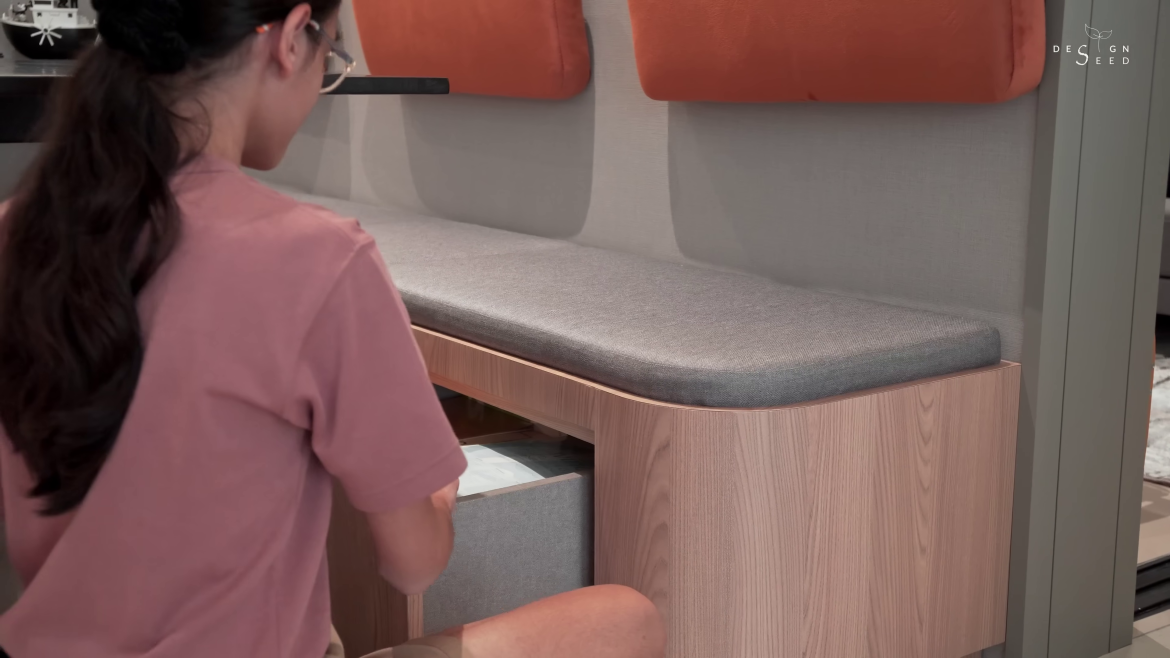
The bench seating comes with pop-out storage cabinets beneath, which improves storage efficiency. A steel rod holds three customised velvet fabric cushions, adding a vibrant pop of colour against the neutral tones of the dining area.
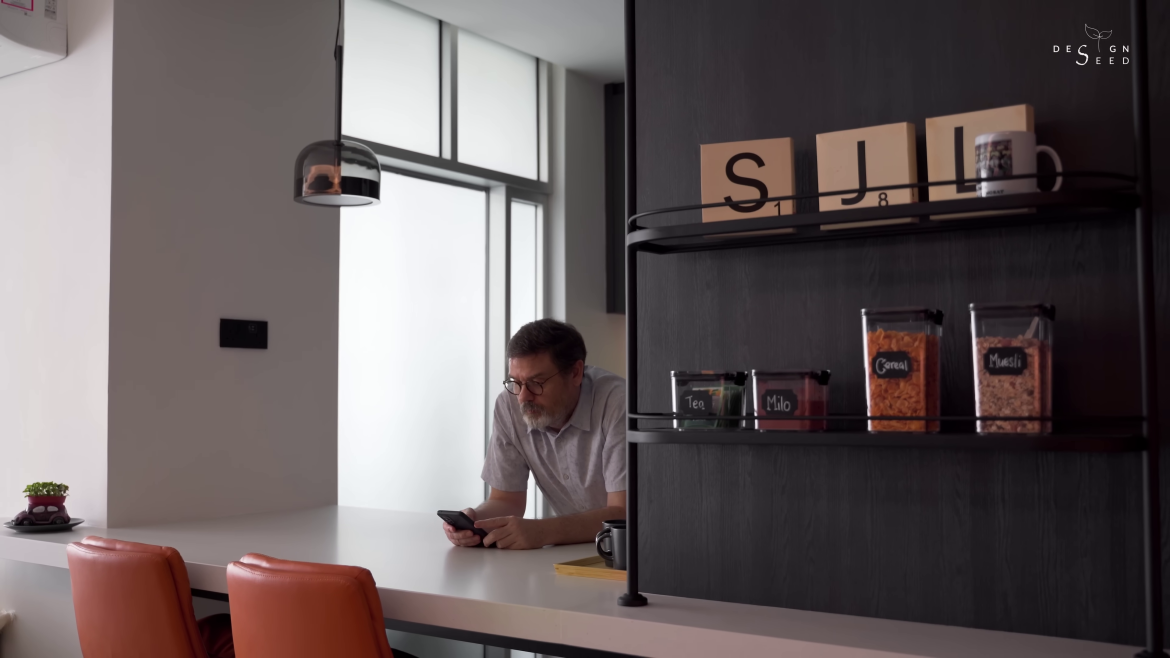
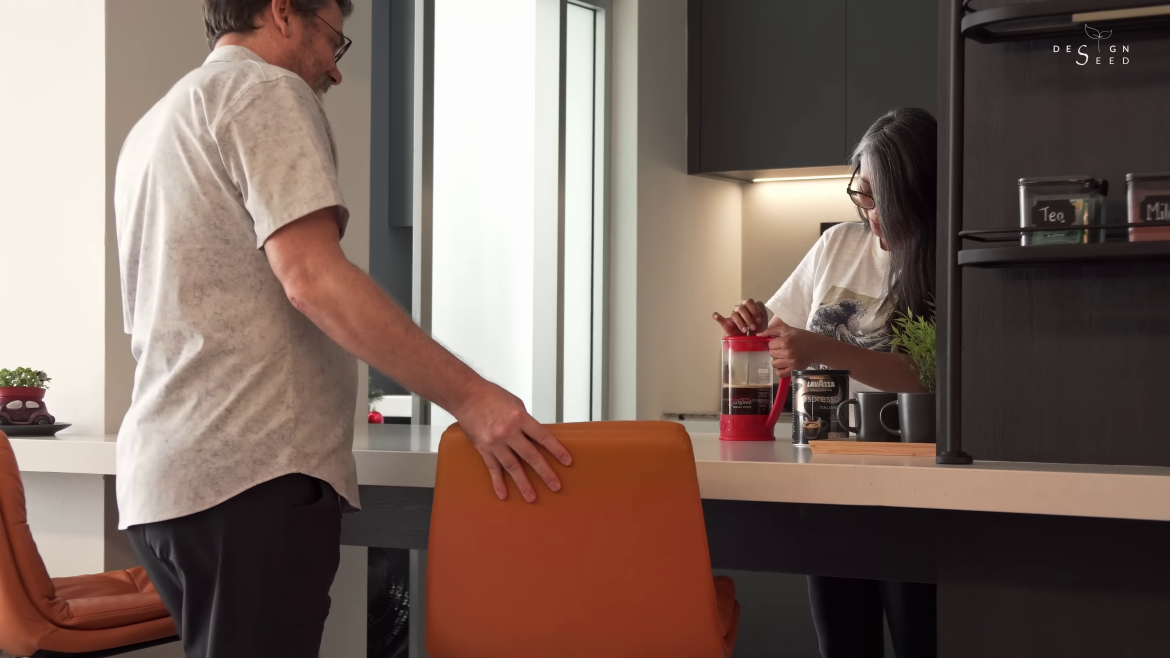
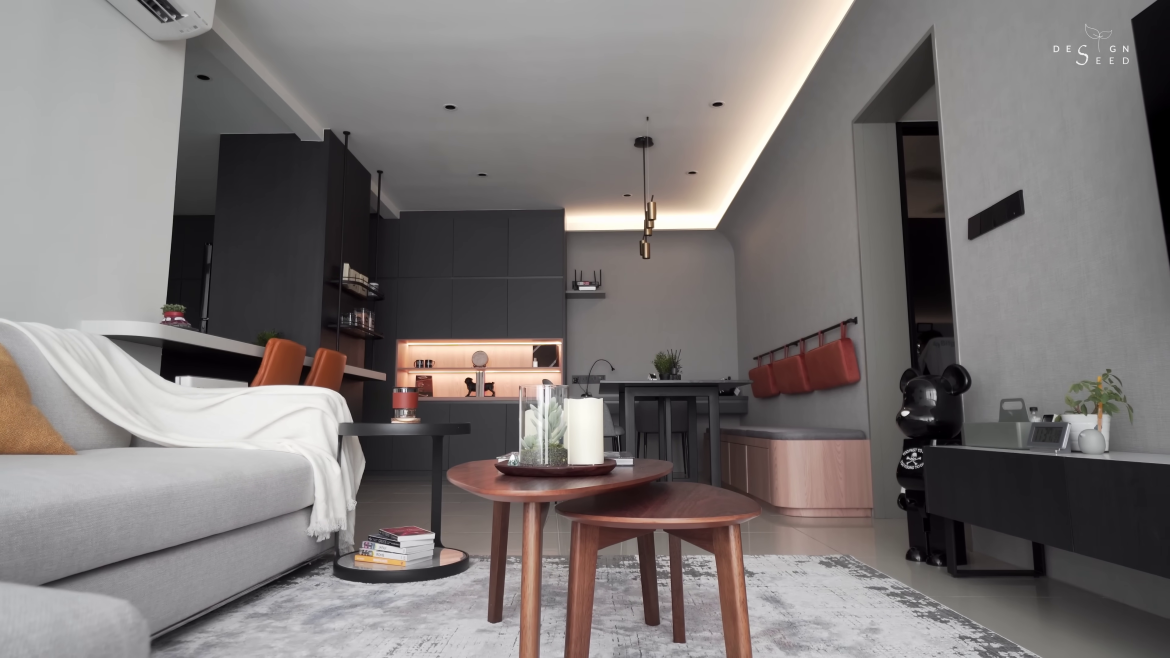
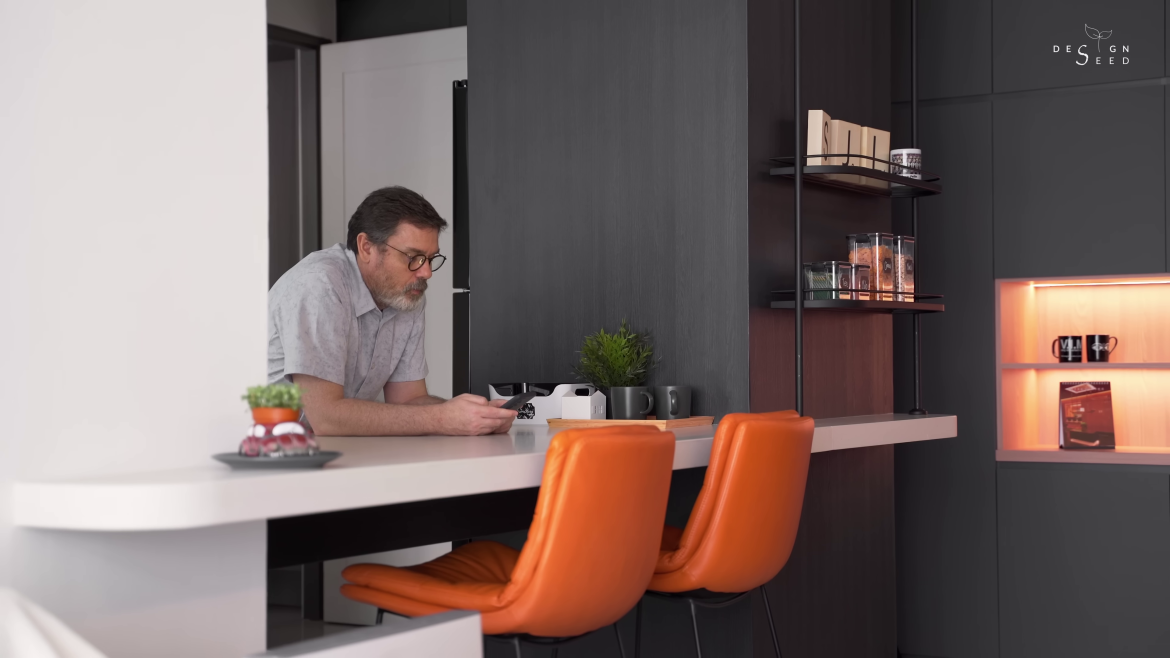
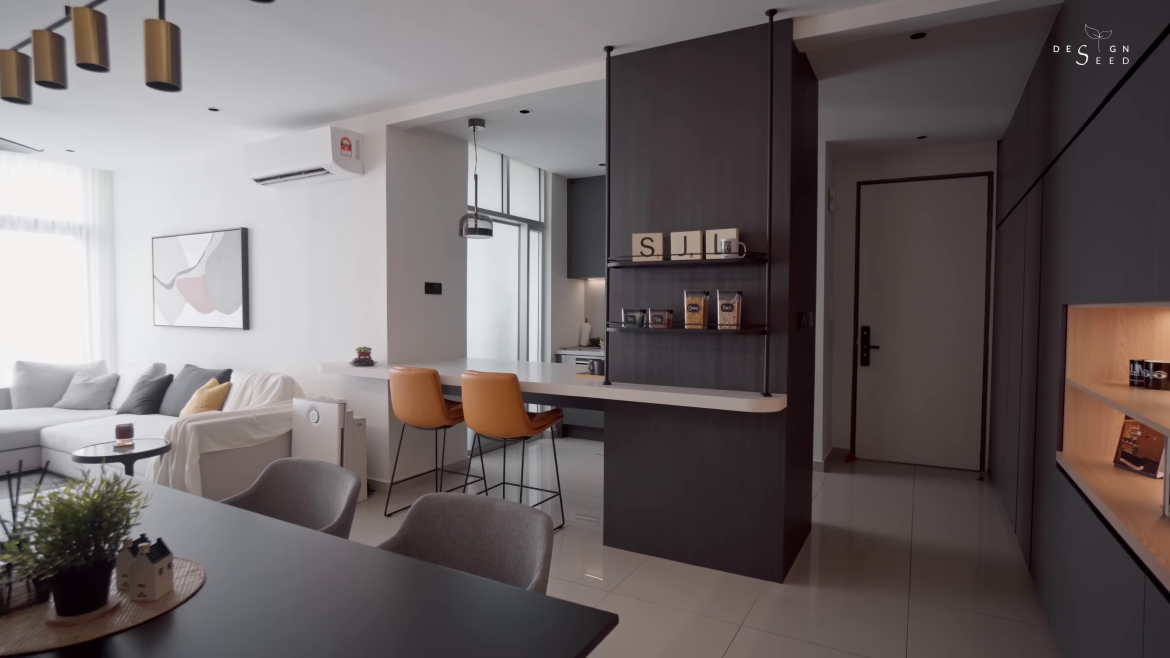
Opposite the dining area is the dry kitchen. What initially felt like a boxy bar area has now been converted into a sleek, minimalist breakfast counter that connects the kitchen to the rest of the home.
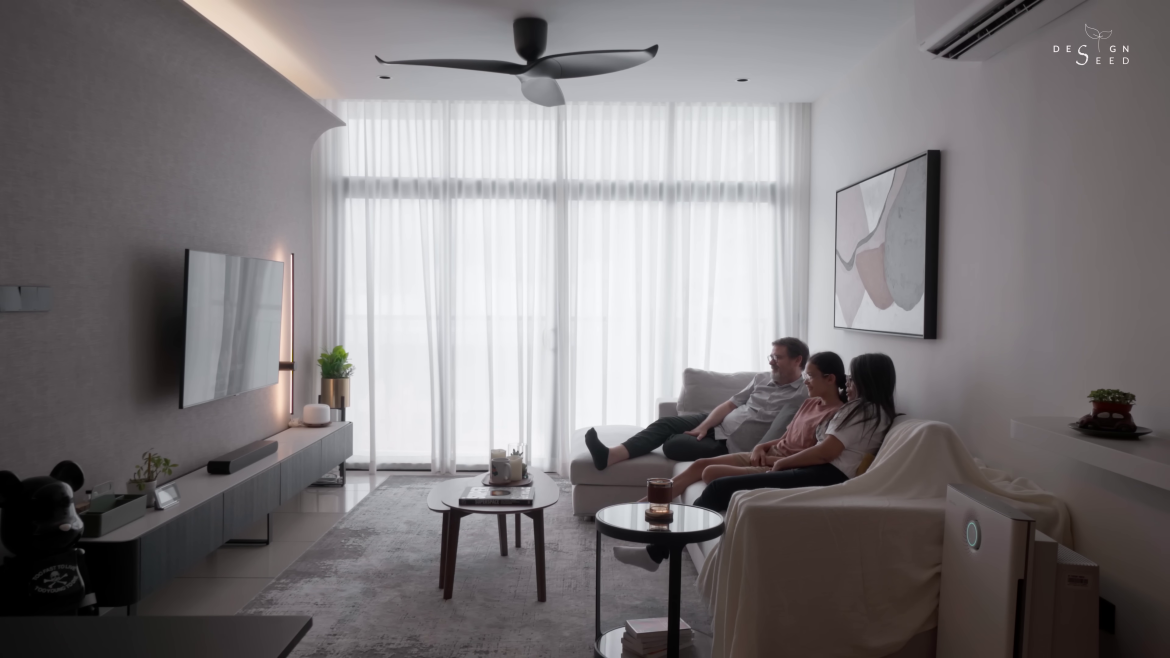
“I work from home full-time. My office was initially quite functional, but I think we were missing something like a family room. So when we redesigned, I wanted this area to be part of the whole unit—a space that could function as my study, but also as a place for my family, where we can play PlayStation or games together.
At the same time, I wanted a space where I could still be in my own zone, but somehow remain close to my wife if she’s watching TV or cooking.”
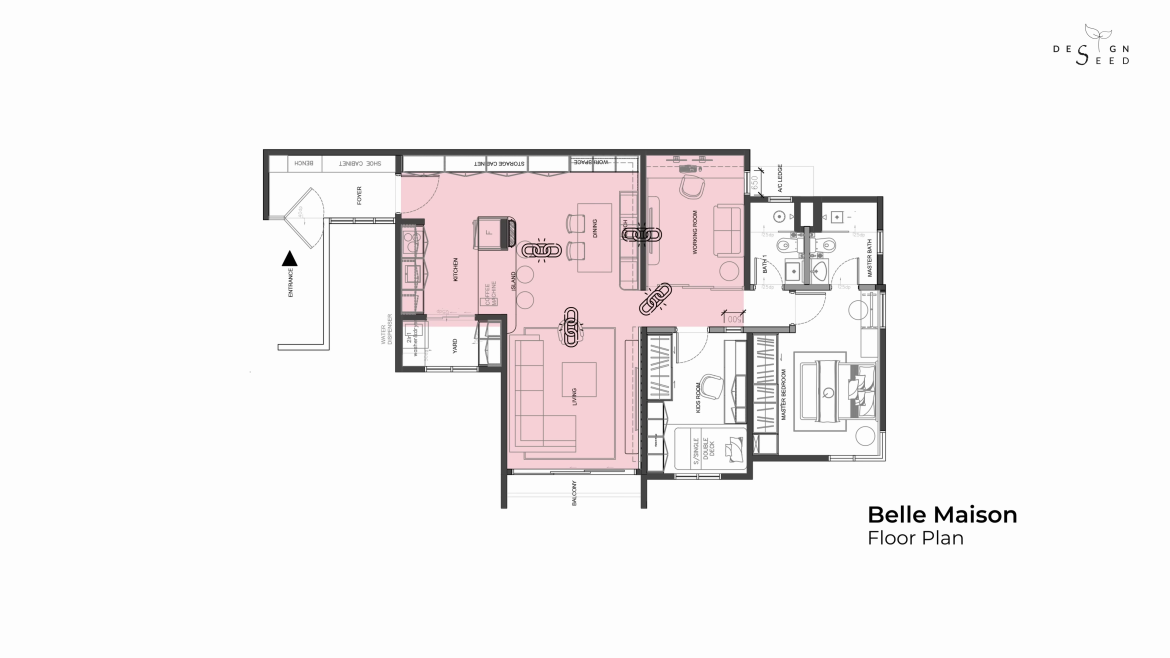
One of the main briefs from the client was to create an extended living area, but due to the limitations of the apartment floor plans, there wasn’t much we could do.
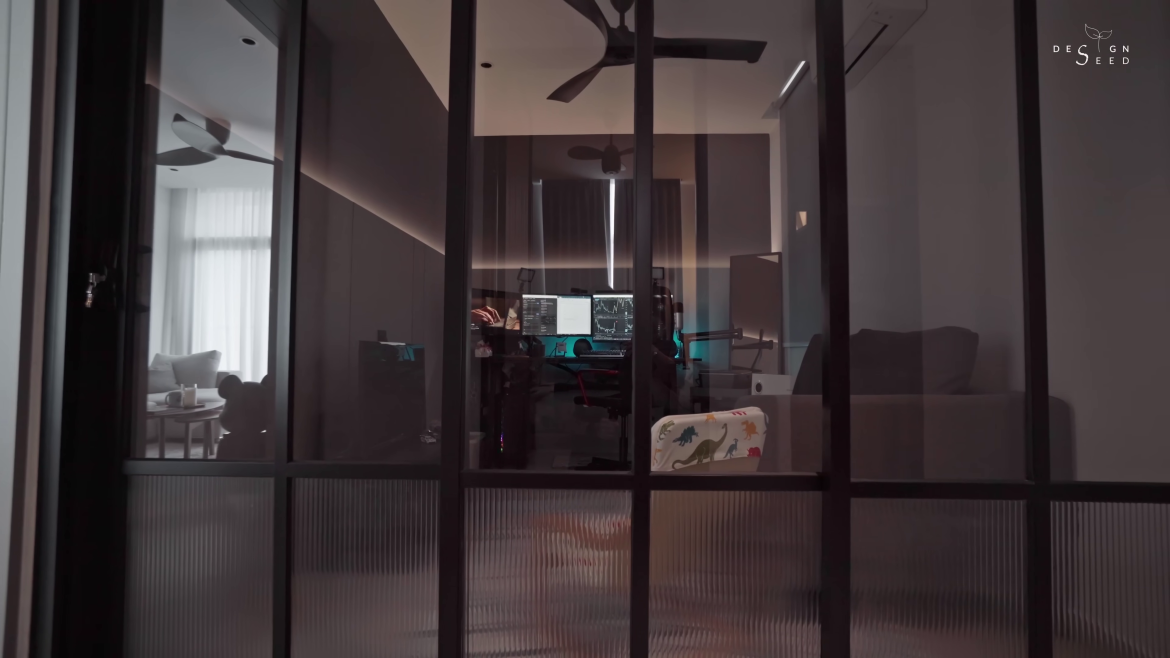
Our creative solution was to create a secondary family space which is convertible to a private work studio by closing a sliding glass door.
The entire general space is designed to be visually connected. The glass and open plan allow for activities in the kitchen and dining area to remain visible, and when the living hall is in use, it connects not only to the dining space but also to the work studio.
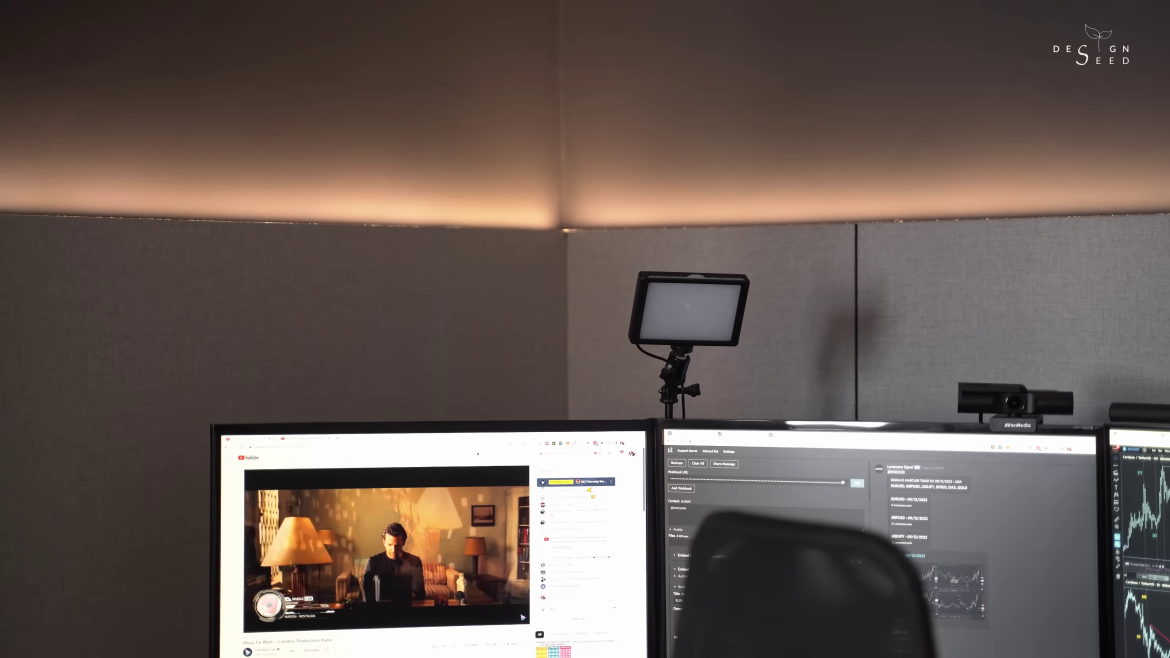
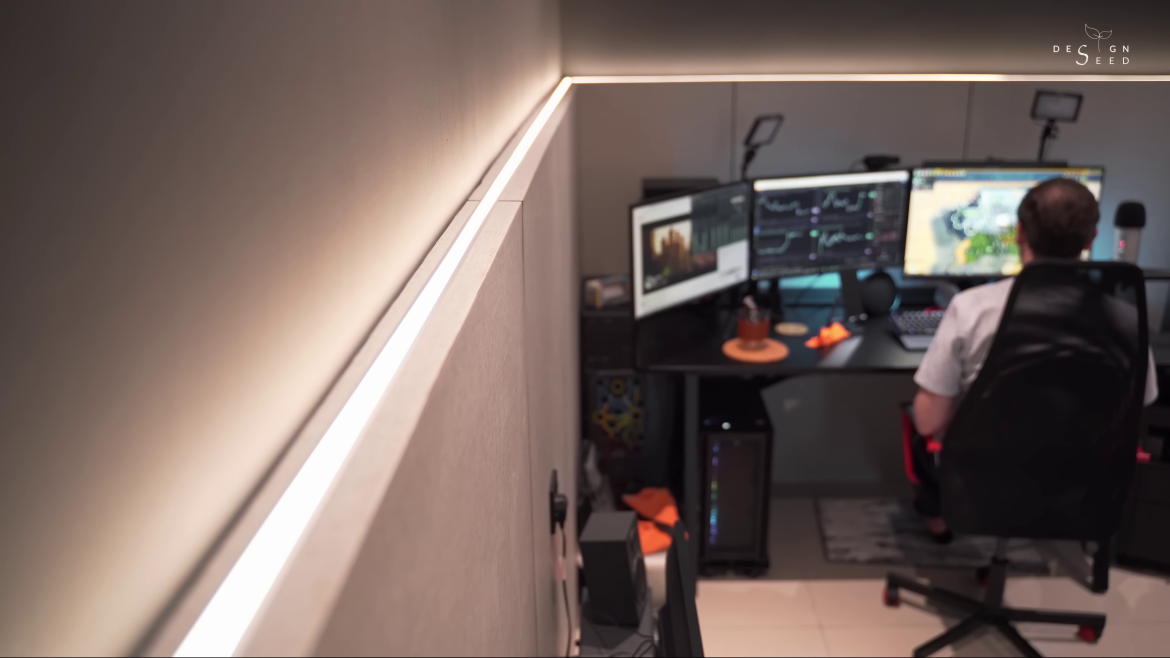
To improve acoustics in the study room, we introduced a thin layer of carpentry around the space. This carpentry also functions as a lightbox feature, emitting a soft glow that transforms the work studio into a mini theatre-like environment.
“We didn’t want to have something that was too showy. We don’t like to have so much light, we like something more indirect and a bit more subtle,” explained Stephane.
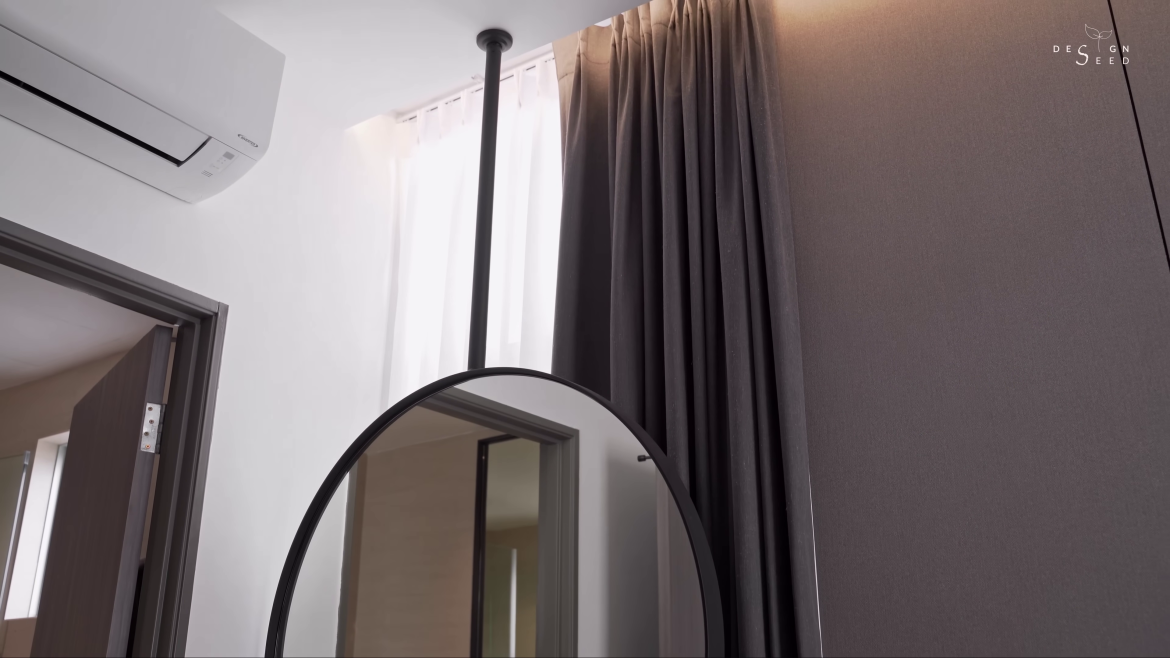
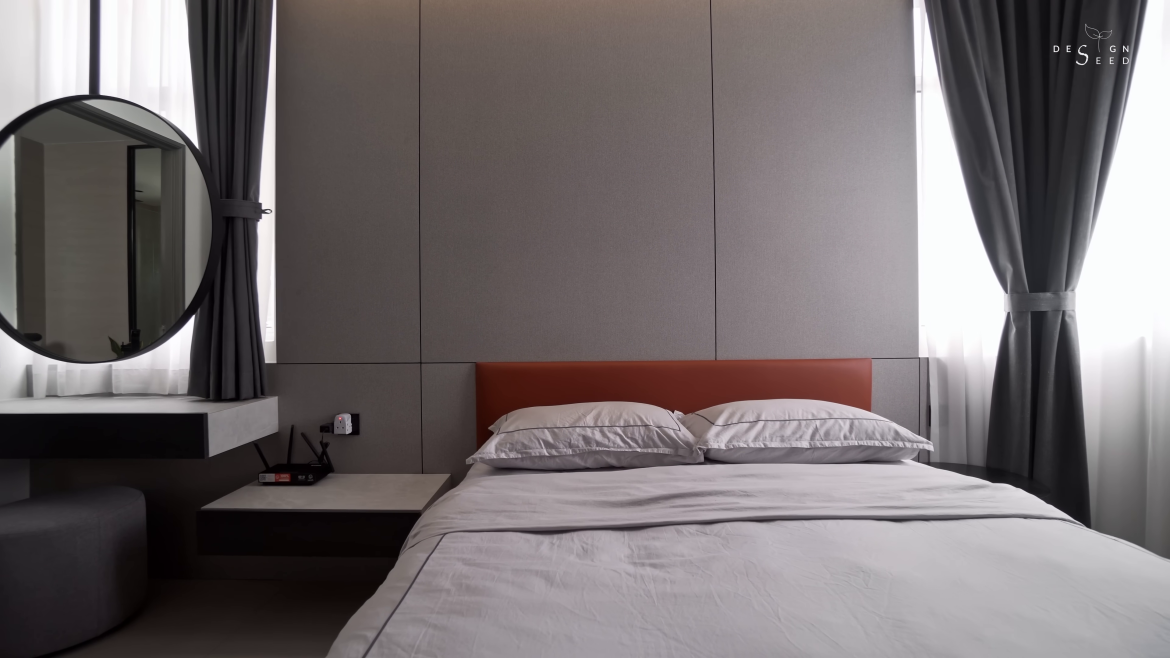
Living in a condominium, natural lighting is precious. Instead of using dim out curtains, we encouraged the client to go with a single layer of sheers. Sheers add a softer touch with a diffused and comfortable lighting, yet keeping privacy for the unit.
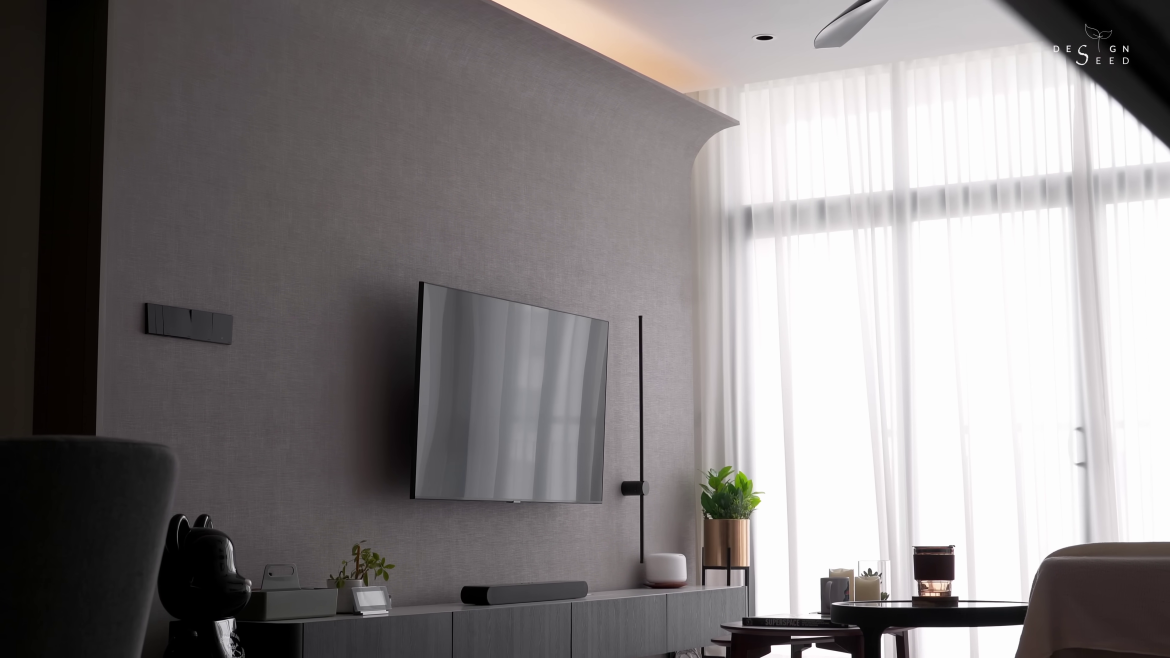
In line with minimalist design principles, we designed a slim feature wall with a subtle curved detail that spans across the living and dining areas. The design is simple with clean lines and a monochromatic neutral palette, complemented by wall lighting, adding a soft and cosy ambience.
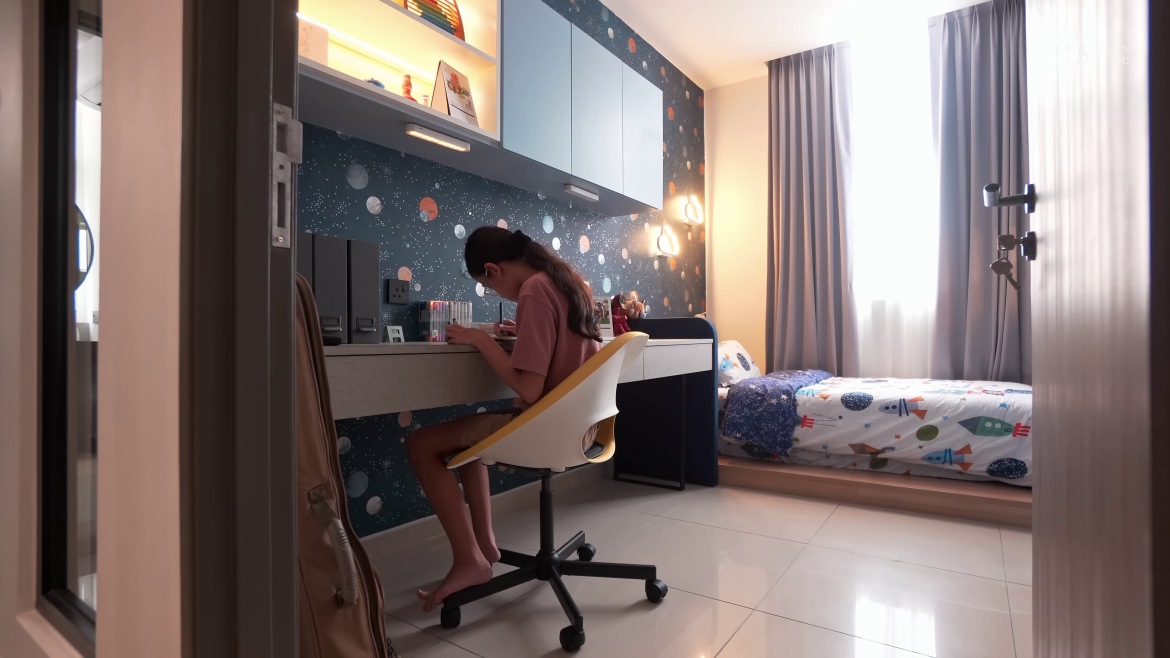
For the daughter’s room, we chose a tatami-style bed, typically known as a Japanese platform bed. By using a platform bed, we reduce the bulkiness of a thick divan, allowing the bedroom to feel more spacious.
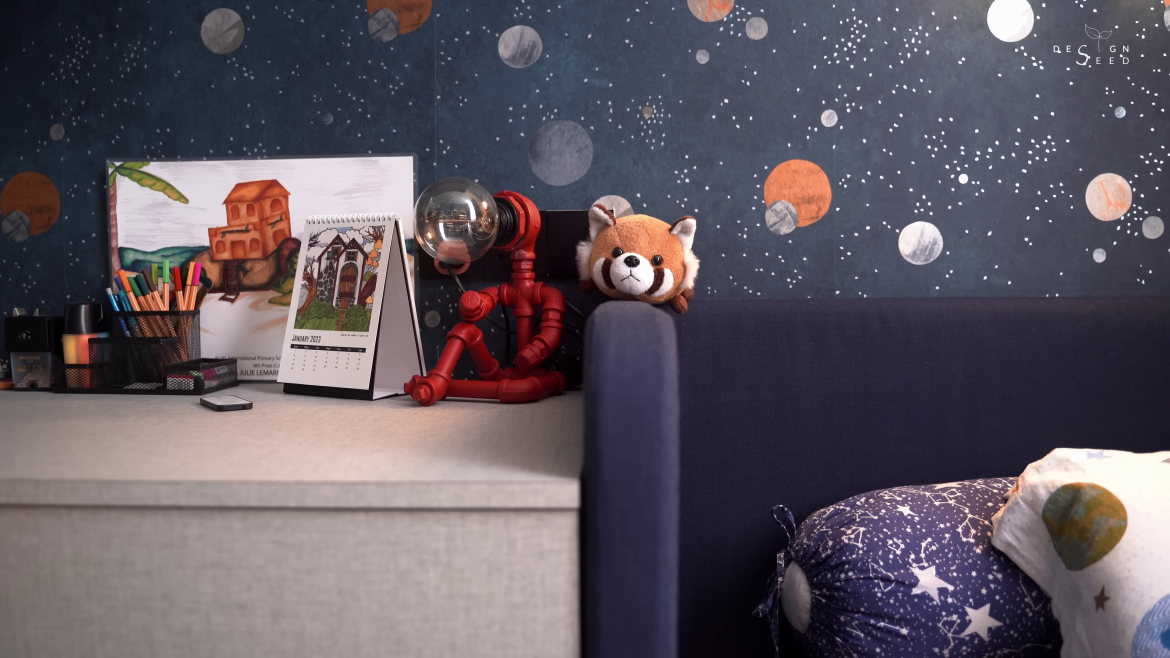
A customised headboard connects to the study area, saving space while adding functional room for storage and display.
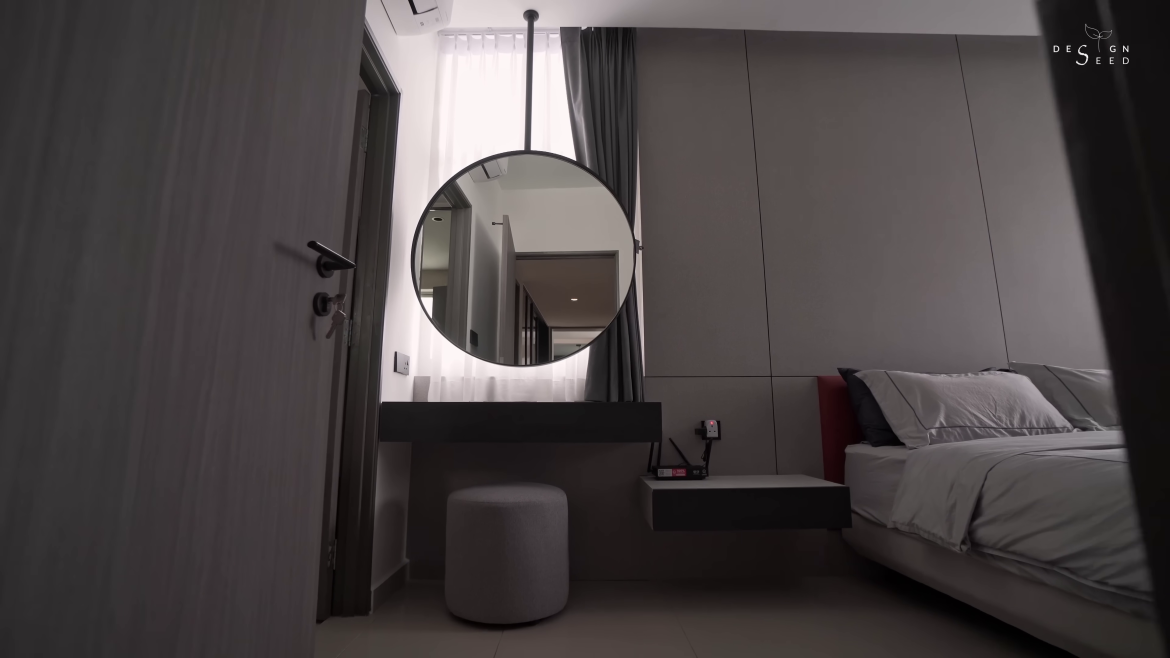
The bedroom opening was kept unobstructed to allow natural light to flow into the corridor and study. At the end of the corridor, we wanted to create a feature, so when the bedroom door is open, a dressing mirror becomes a visual focal point.
We wanted a feature that really emphasised a statement at the end of the corridor, and here’s what we did with it.
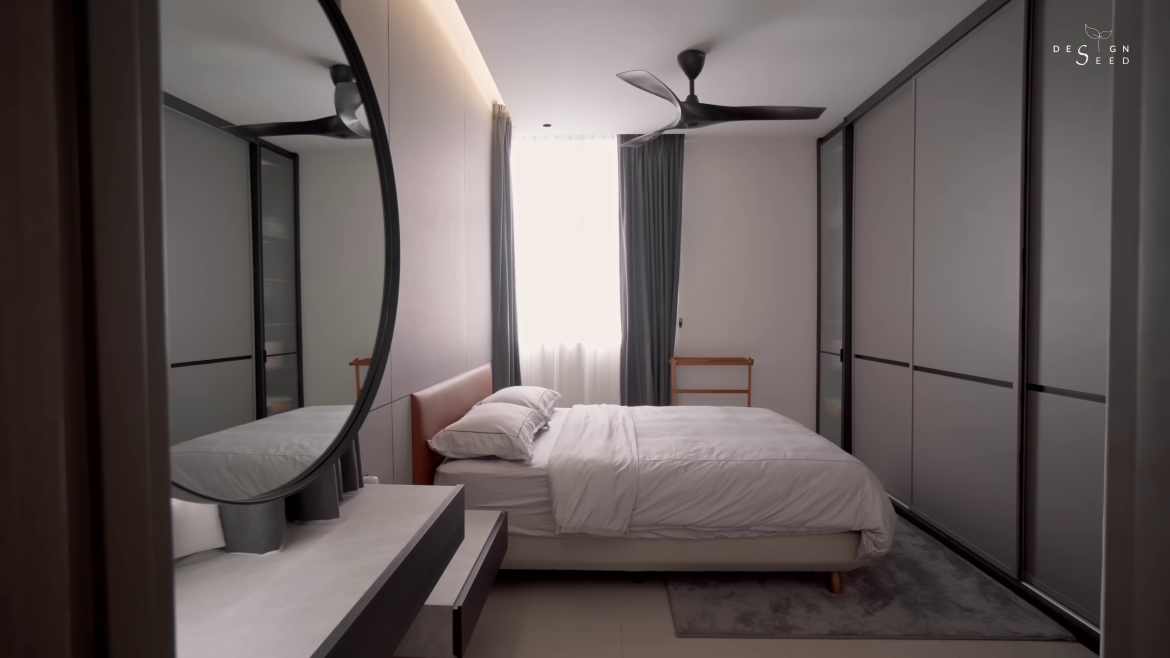
This area was originally a window opening, which we retained and dressed with two layers of curtains. A dressing table was designed in front of it, taking into account the ergonomics of how the owner applies her makeup. The mirror was positioned closer to the edge of the tabletop for better convenience.
Minimalist design is about prioritising the essential—stripping away excess ornamentation to achieve clean lines and simplicity.
The 5 rules of minimalist design
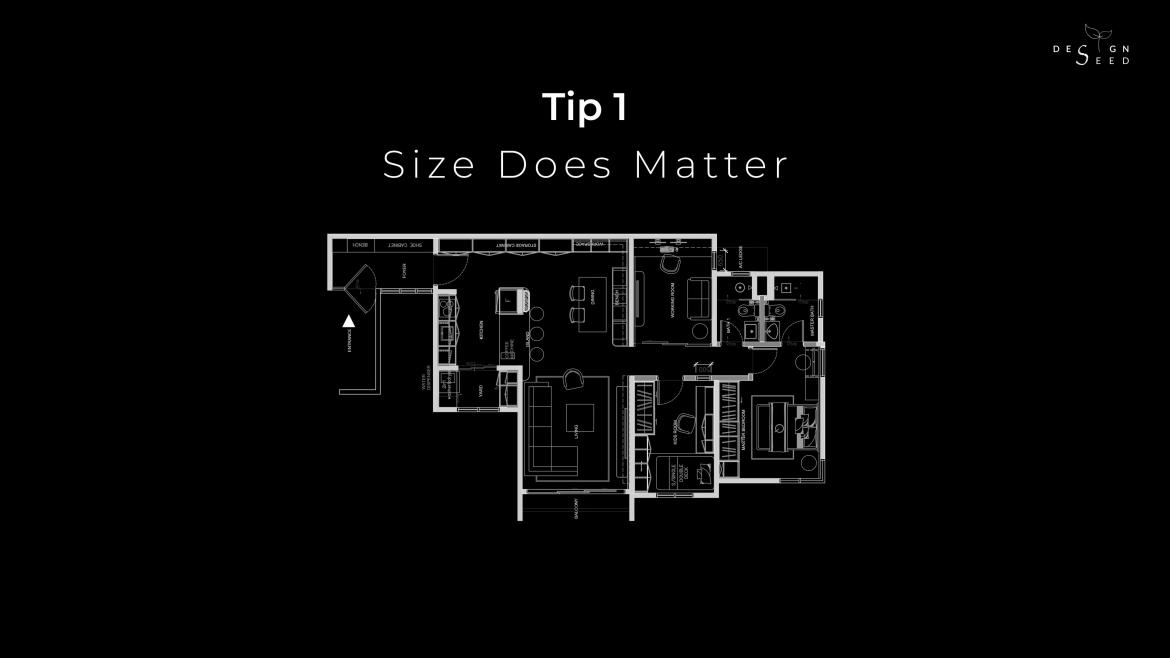
1. Size Does Matter
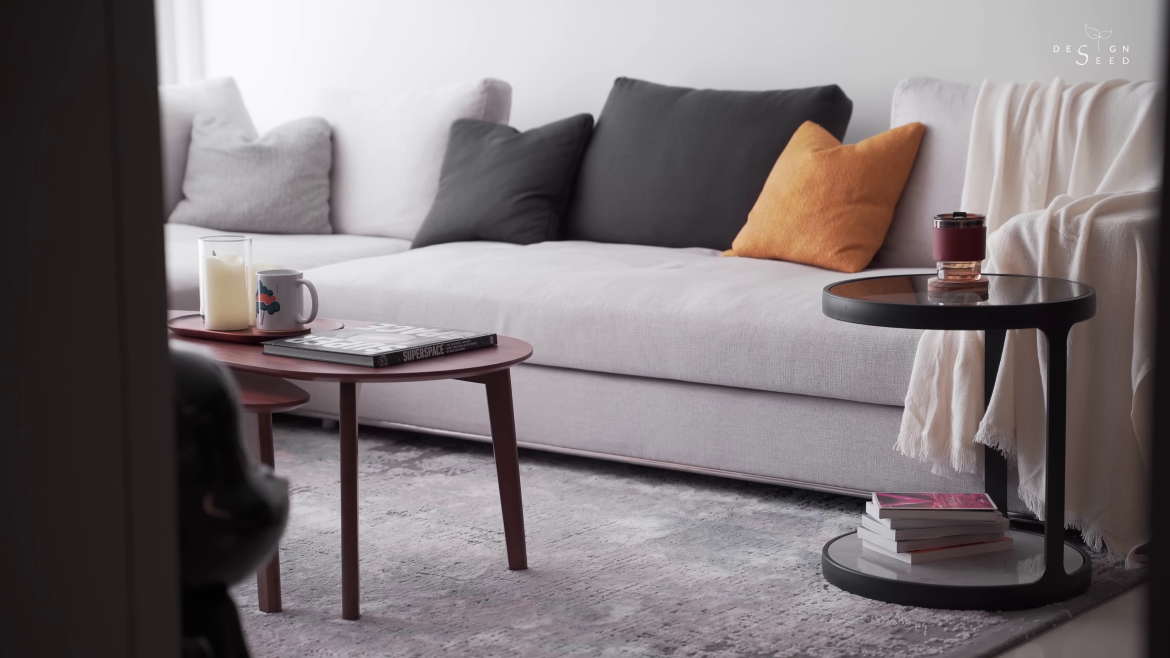
First, size matters. Choose furniture that is slimmer and less space-consuming. This creates more room and transparency.
2. Avoid visual clutter
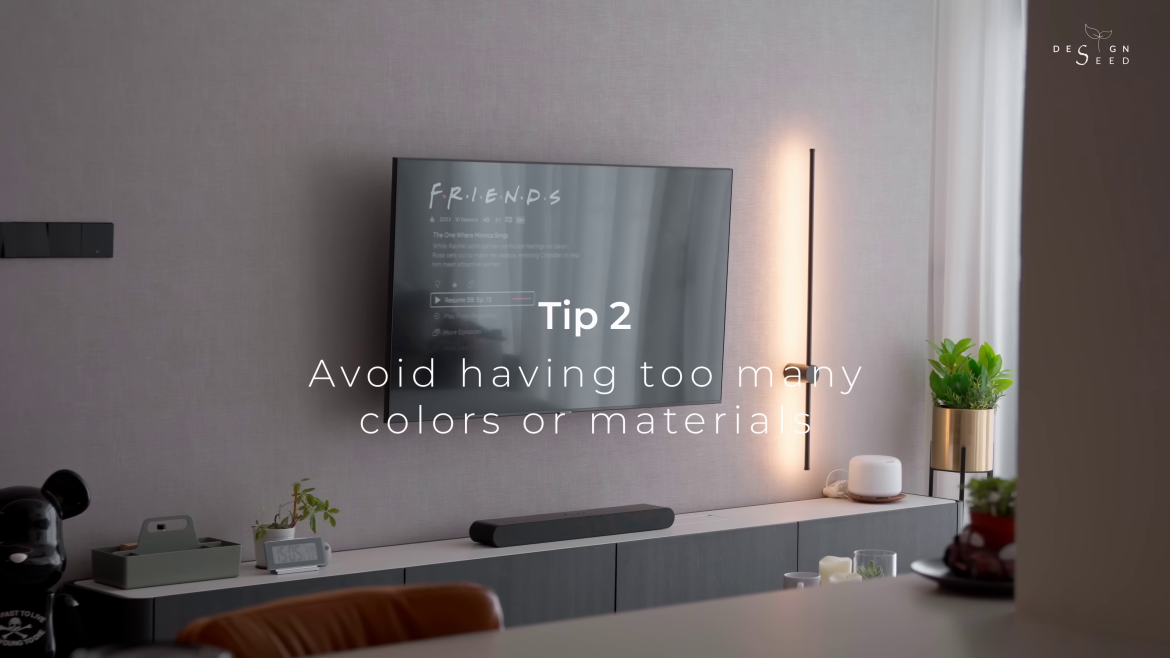
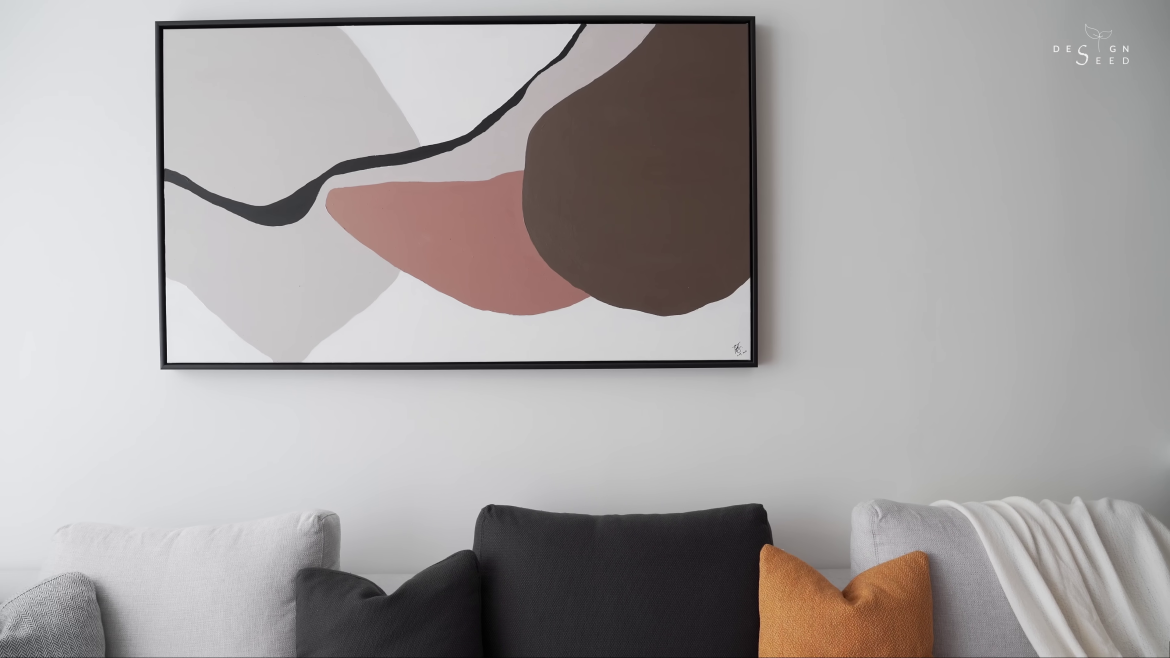
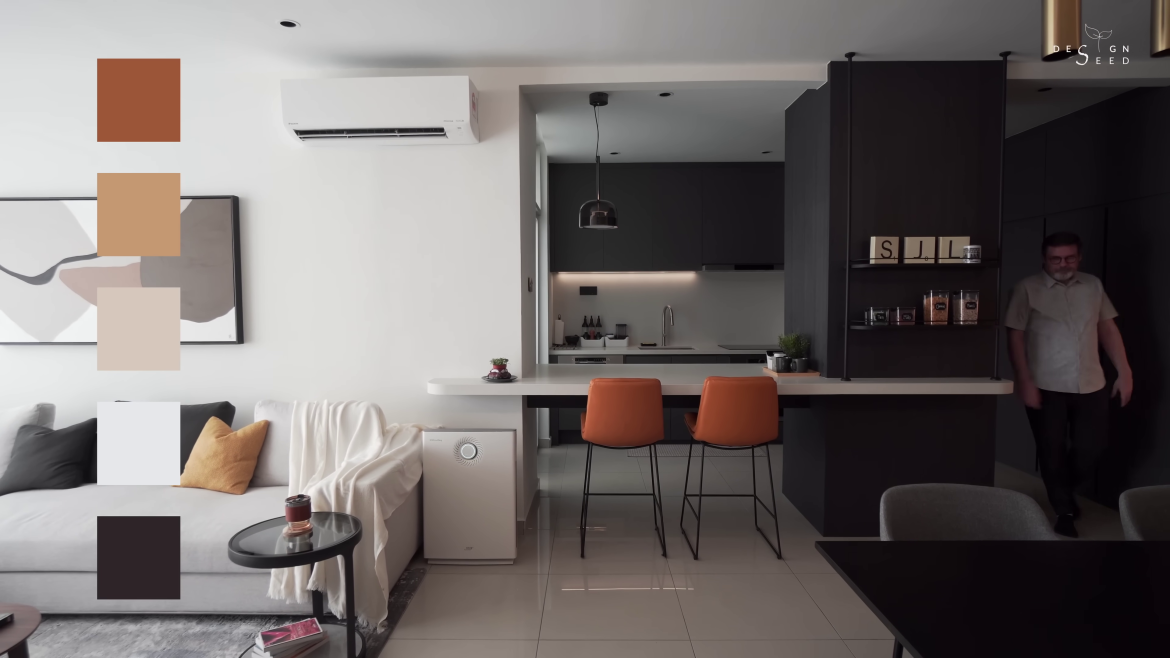
Second, avoid using too many colours or materials. Stick to a neutral palette to create a cohesive and spacious feel throughout the home.
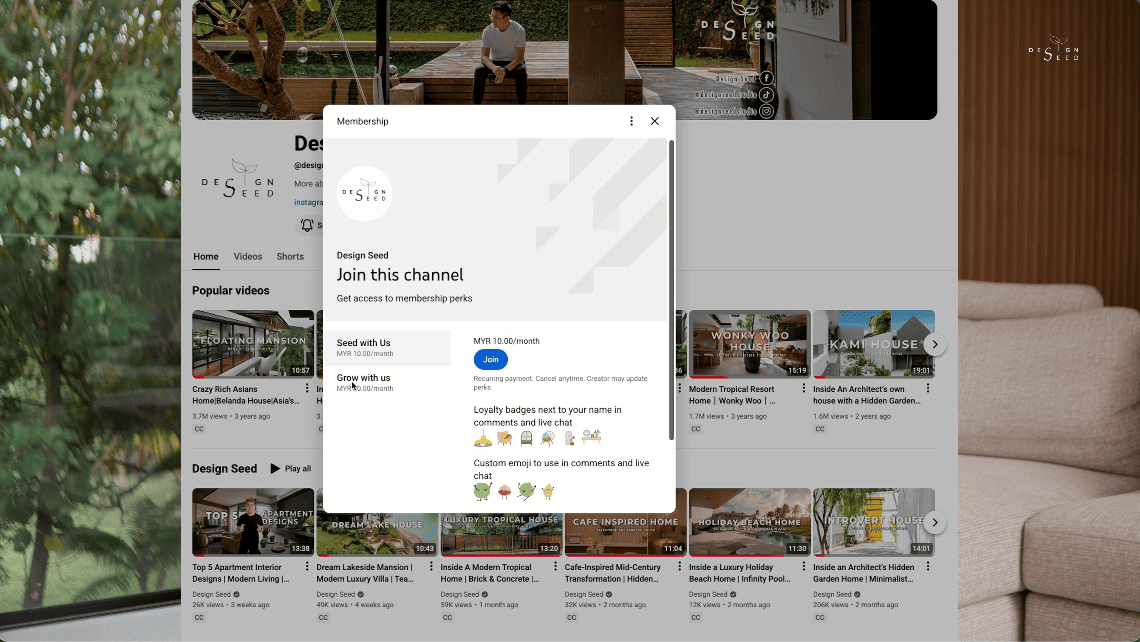
Want to understand how good design works? Join our Design Seed membership program for only $5 and get behind the scenes access in depth reels and our exclusive handbook that breaks down technical design knowledge into practical tips you can apply to your own home.
3. Open spaces
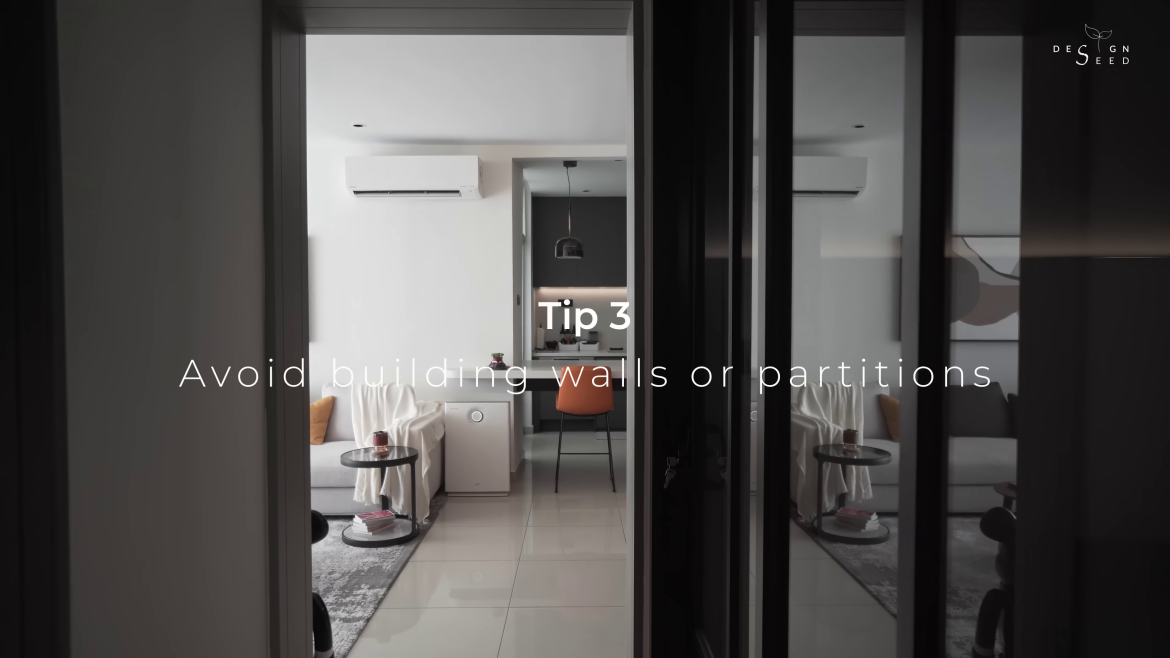
Third, avoid building too many walls or partitions. Keeping the floor plan open improves the connection between spaces and enhances interaction within the family. Sliding doors can be used to create flexible, multi-functional spaces.
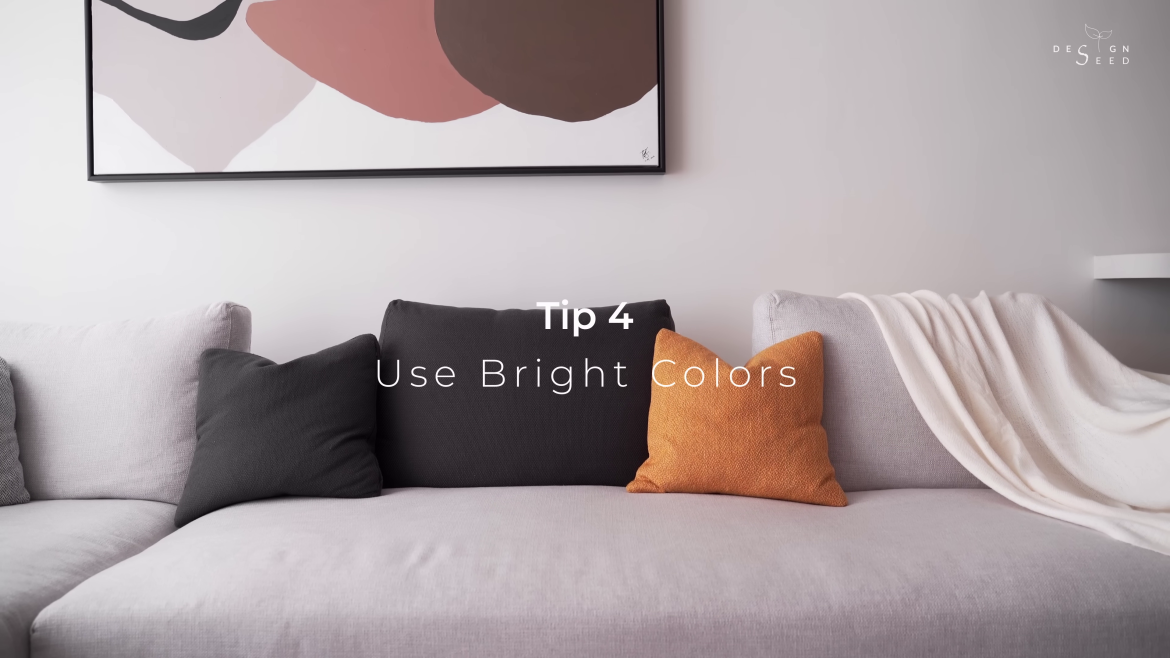
4. Bright colours
Fourth, use brighter colours to enhance the perception of space. There is a noticeable difference between sitting in a dark room and a bright one.
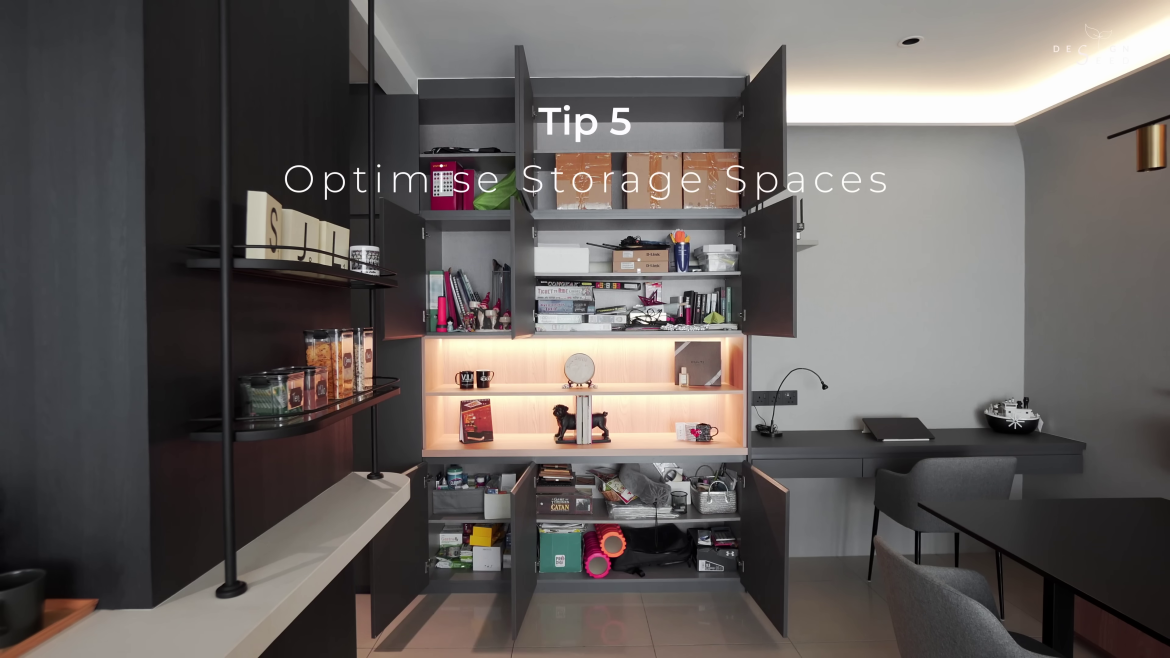
5. Storage optimisation
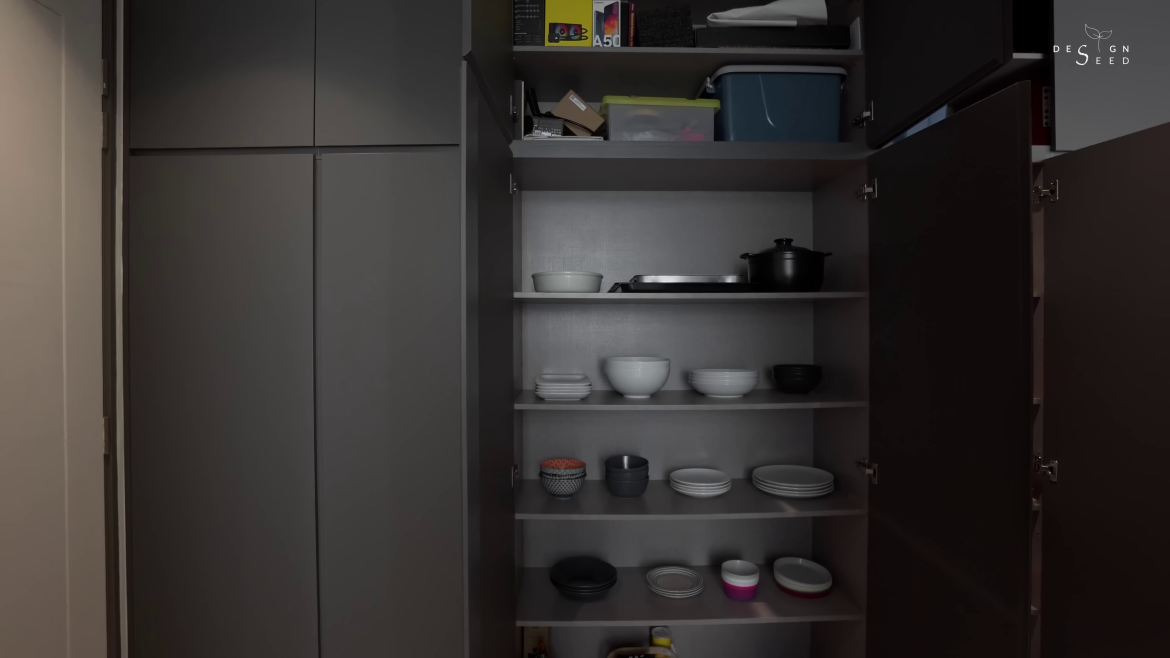
Fifth, optimise storage. Minimalist design relies on decluttering. Since belongings are unavoidable, having efficient storage solutions helps keep the home neat and organised.
“In Europe, space is considered a luxury. The challenge is that if you live in the city, it often becomes just a place where you stay temporarily, rather than a home to pass down through generations.”
“In the countryside, however, you tend to have family homes that span multiple generations. What I like most about Malaysia is definitely the people will come first. This ability to live together with different culture and tradition, which is something that we are not used to in Europe. So the people and the food, like my preference is the banana leaf, the Indian food.”
“What I miss though is the seasons, the four season that we have in Europe. For me, the difference between a house and a home is important. What I really wanted here was to create a home—one that carries memories and values that can be passed on.”