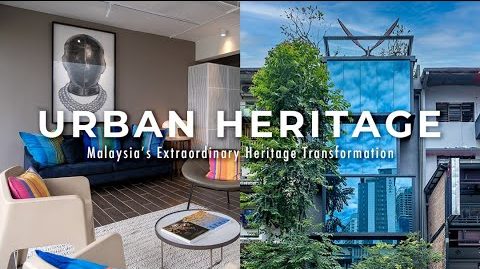
First-Ever Cultural Art Space in a 1950’s residential area |Inspiring Transformation| Story of Ur-Mu
5 min read
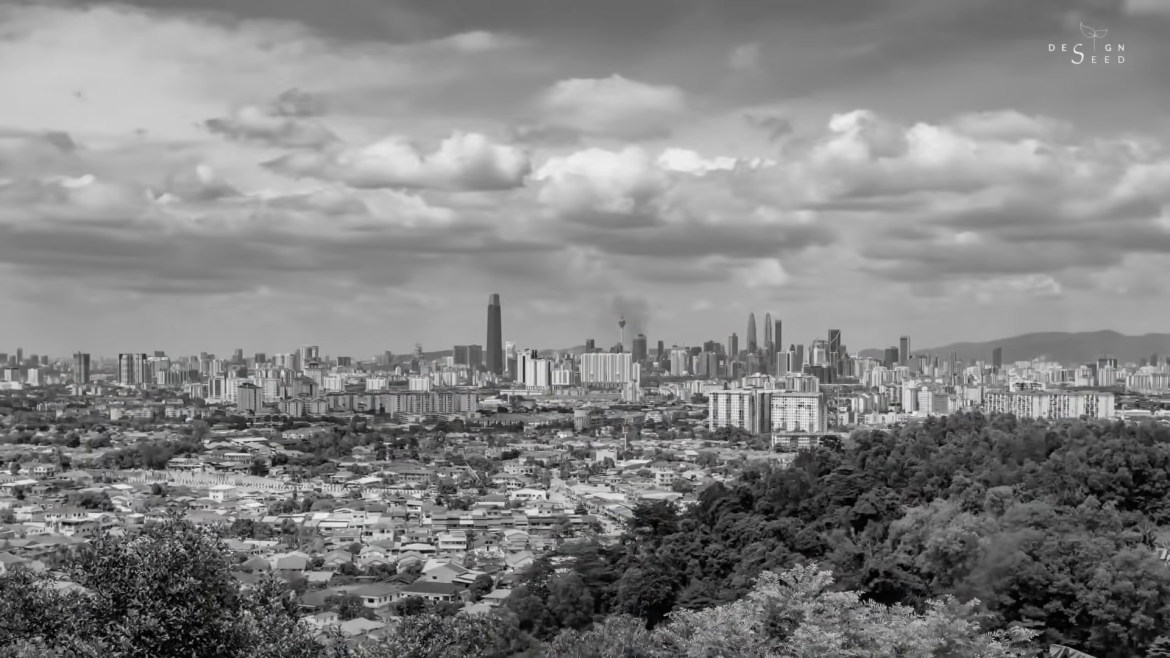
Kuala Lumpur wasn’t always what it is today. It’s been transformed.
Back in the 1950s, there were approximately 500 metres of residential area right in the heart of the city. So what happened to them?
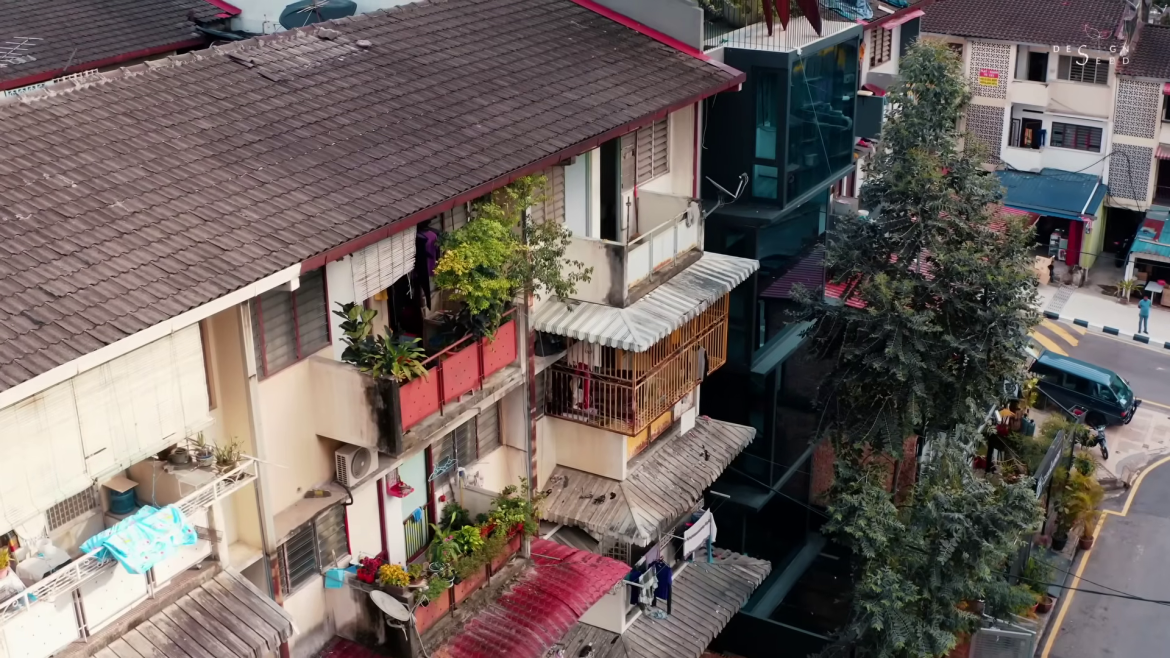
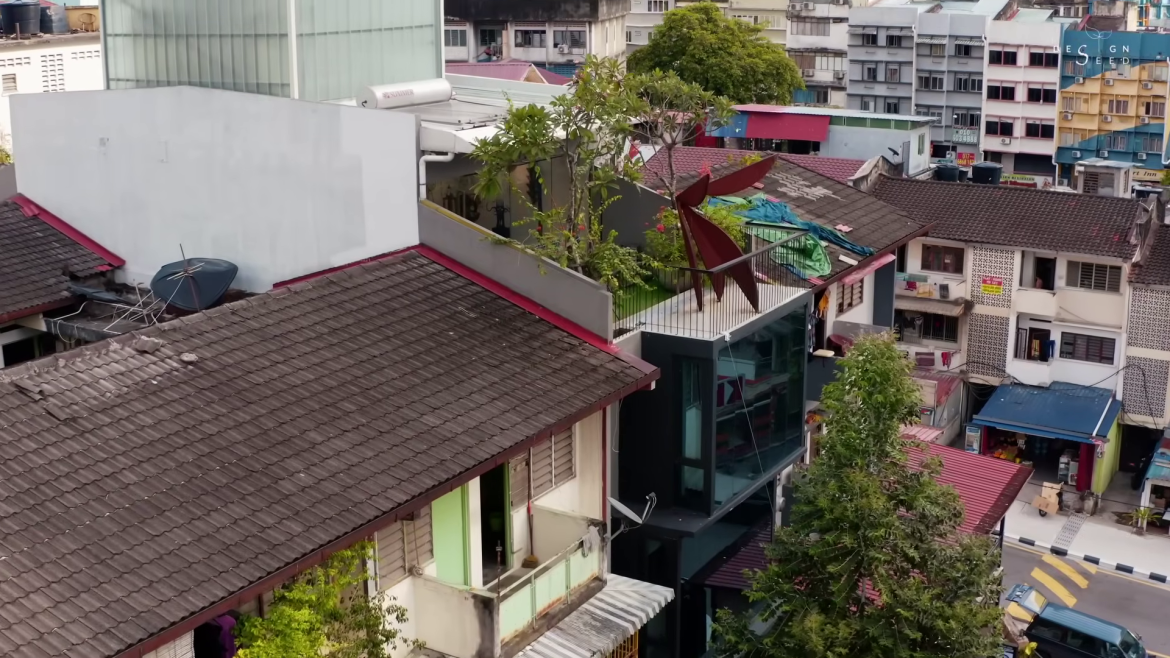
As Dr Tan Loke Mun, owner and designer of Ur-Mu, explains, Kuala Lumpur has grown rapidly over the years, now surrounded by a dense commercial centre where shopping malls are just five minutes away and international hotels rise 40 to 50 storeys tall. Yet, this small enclave has remained almost unchanged since the 1950s — something he describes as “very unusual,” even a little bohemian.
As one of the speakers explains, Kuala Lumpur has grown rapidly over the years, now surrounded by a dense commercial centre where shopping malls are just five minutes away and international hotels rise 40 to 50 storeys tall. Yet, this small enclave has remained almost unchanged since the 1950s — something he describes as “very unusual,” even a little bohemian.
A Townhouse Transformation
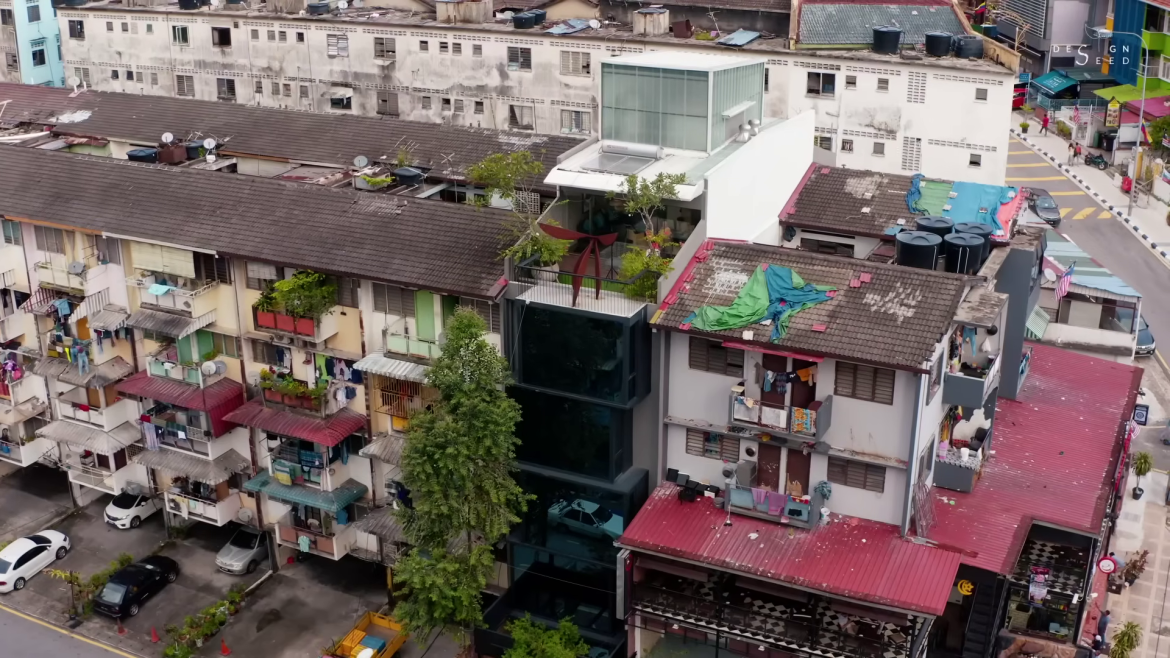
Today, the focus shifts to a four-storey residential townhouse tucked within the KL city centre, a building that has transformed from its original state into something entirely new.
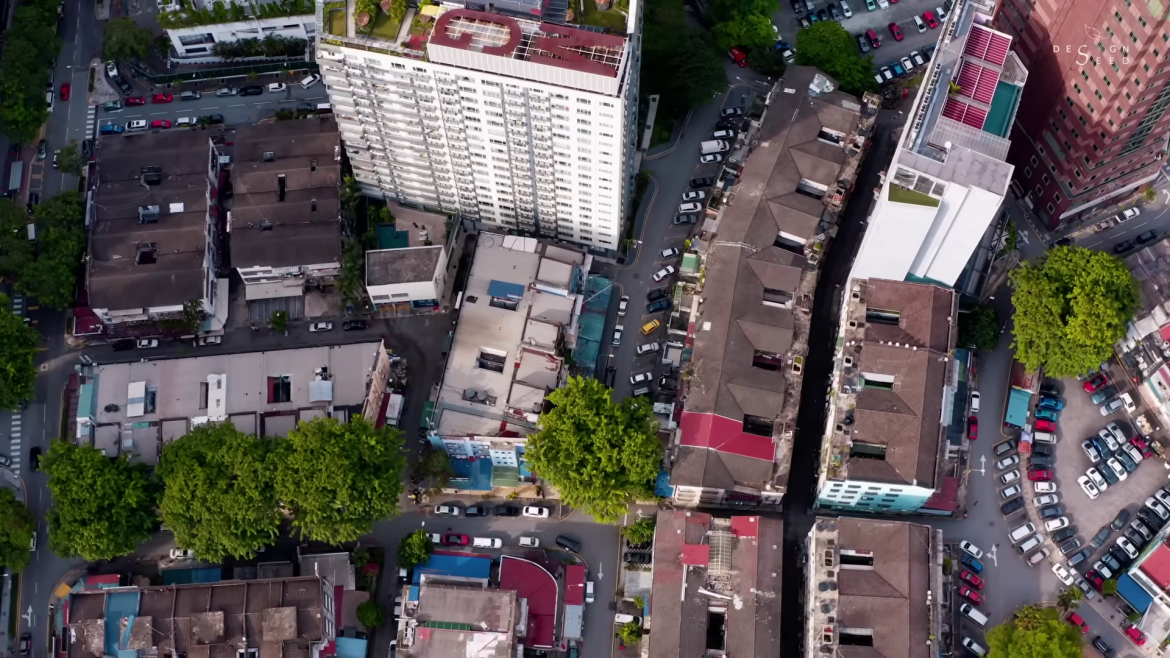
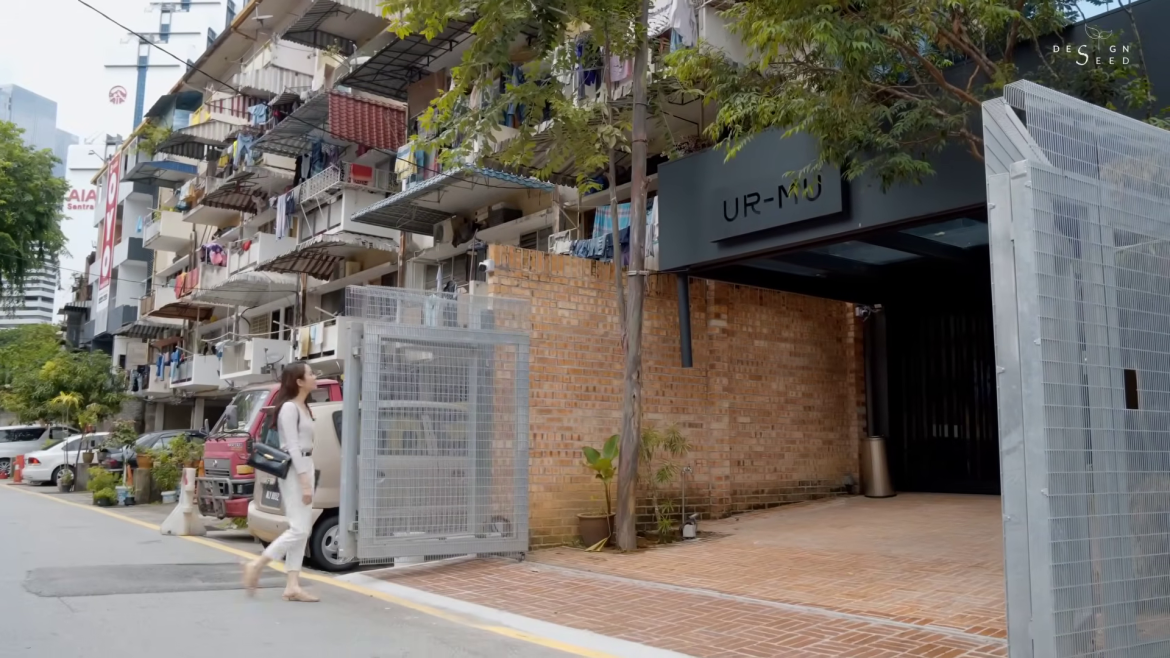
Located along Jalan Bedara, just a short walk from Jalan Alor and Jalan Mesui, the area was once part of a residential district in the city’s core. Alex points out that these busy streets used to house the very people who lived and worked in downtown KL.
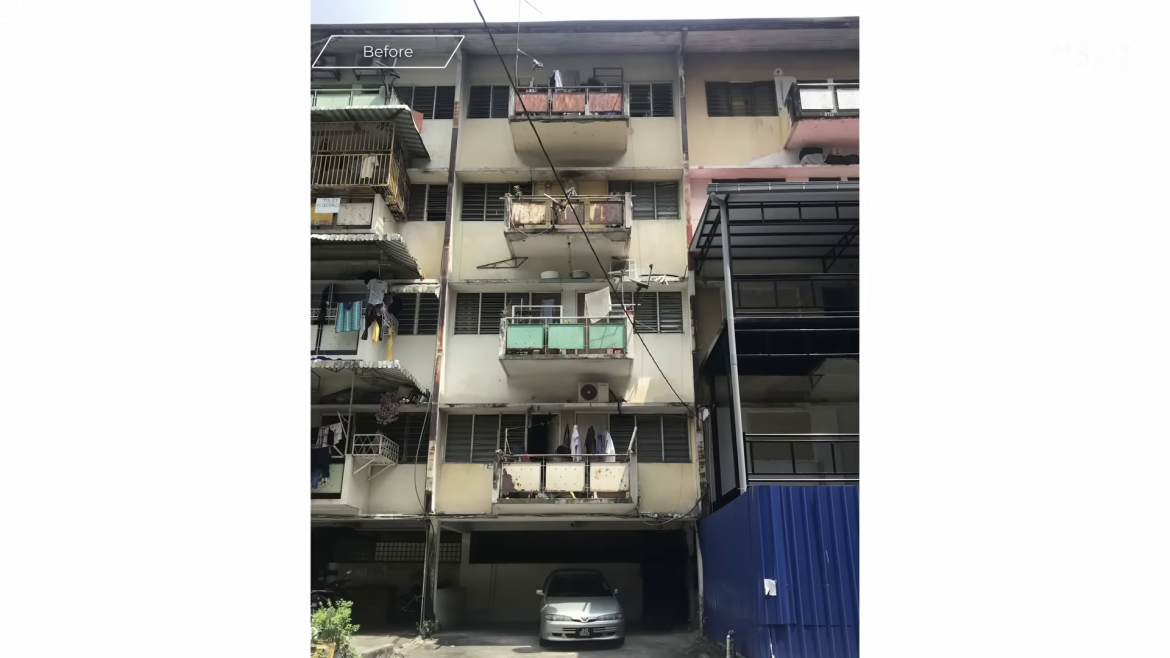
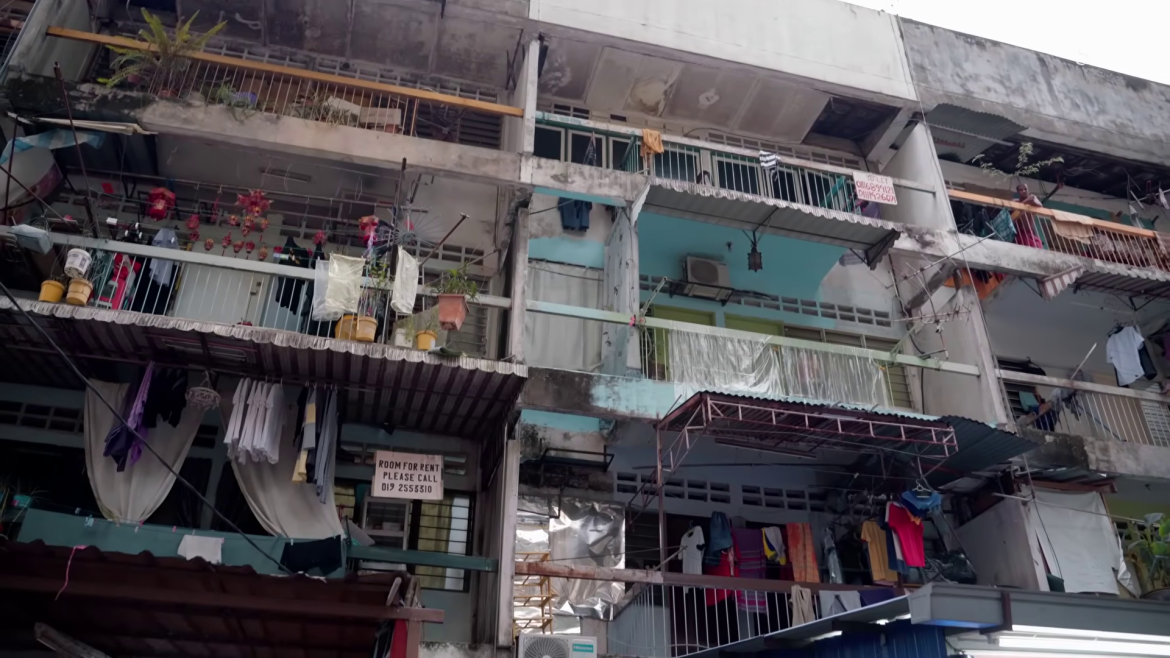
The building itself, as explained, was originally a four-storey walk-up apartment with staircase access, consisting of eight units — one at the front and one at the back on each level. The tenants were typically foreigners, along with older residents who had long been part of the neighbourhood.
Reimagining Urban Living
One day, the owner shares, he realised the value of its location right in the city centre. As a strong supporter of urban rehabilitation, he decided to convert the building.
Jalan Bedara, he adds, used to be an unknown street lined with walk-up apartments and townhouses. Each level would typically have four to five rooms, often arranged in long layouts. He highlights the architectural elements — particularly the ventilation blocks — which allowed air to flow naturally through the space, even within individual rooms, creating a breezy and functional environment rooted in older design thinking.
Stories of a Growing City
Reflecting on the past, Jack Lim, a local neighbourhood resident, shares that the people who lived here had to grow up quickly, contributing to a nation that was striving to industrialise. Many, like his grandfather and others from that generation, took risks and left their home countries in search of better opportunities in Kuala Lumpur.
“In fact,” he says, “the hero here is downtown KL,” describing it as a place that has hosted generations of dreamers over the past 100 to 200 years.
Despite the city’s reputation for culture and food, he feels it has always been somewhat lacking in the arts — something this project hopes to change.
Ur-Mu: A Museum as Architecture
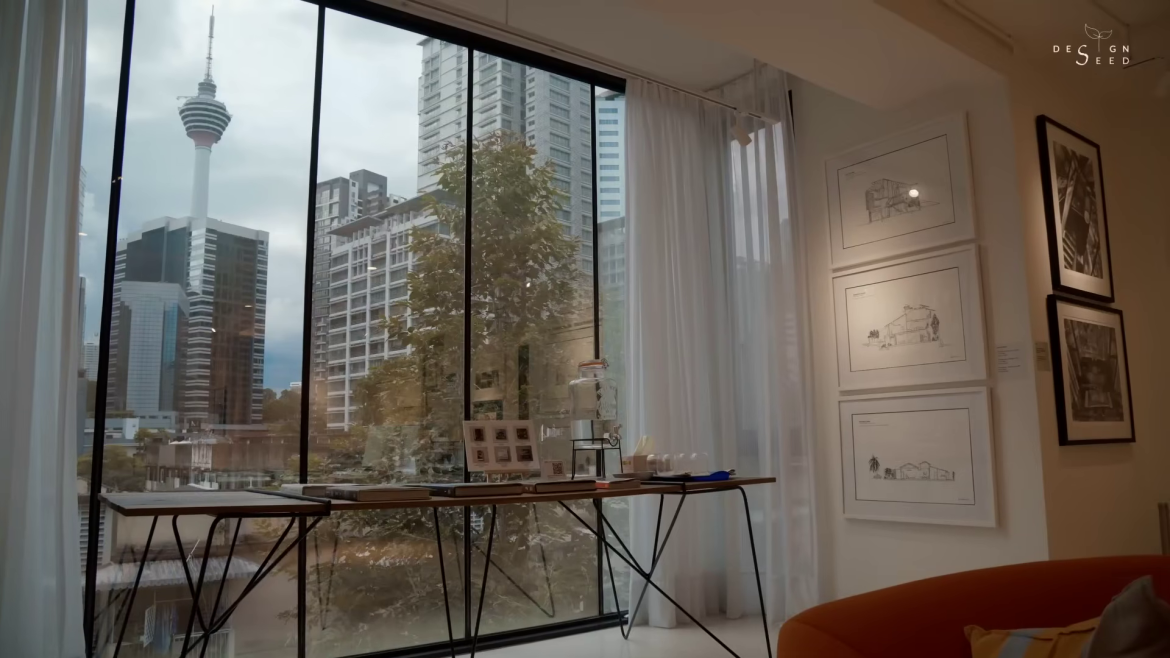
Ur-Mu, as Dr Tan Loke Mun explains, was envisioned as more than just a museum. The building had to be “like a piece of art” — architecturally strong and intentional, even when set against a rapidly evolving city.
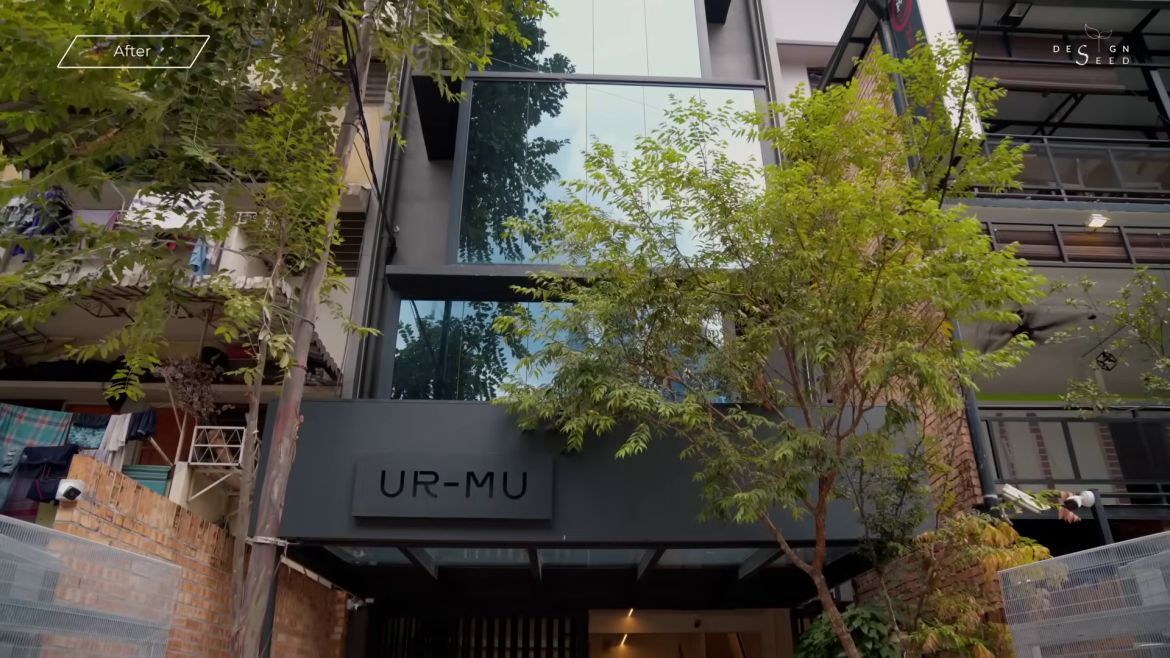
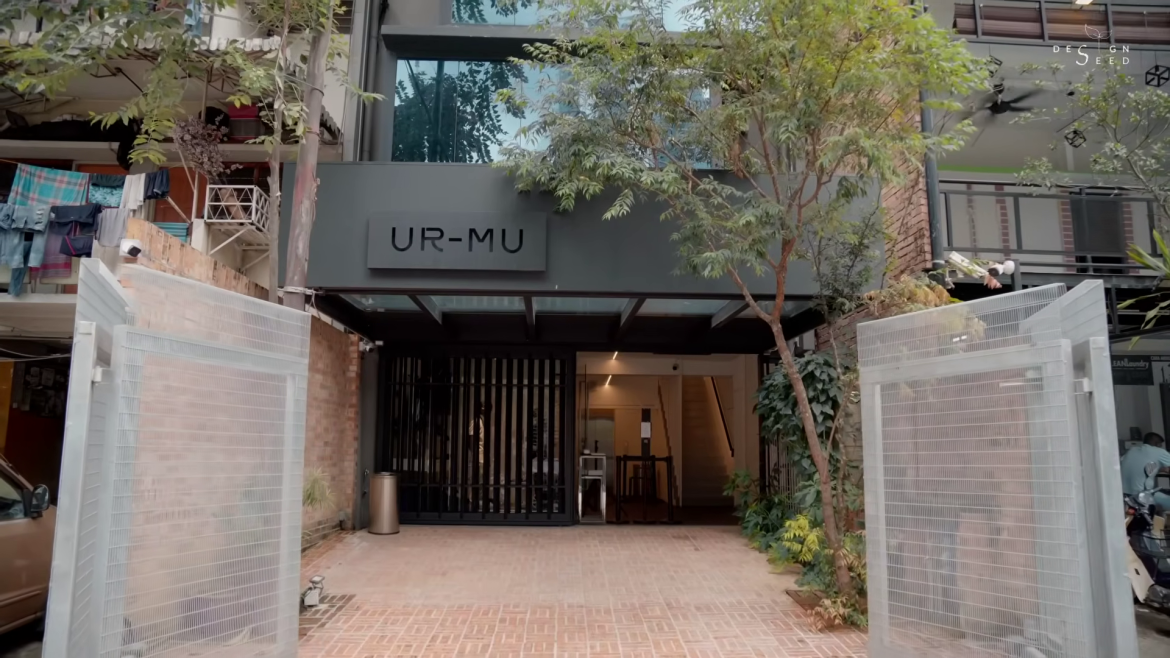
Located where the story began, the design adopts modern architecture that reflects the surrounding neighbourhood. The team chose raw natural bricks to create a warm yet slightly industrial and urban feel, making it durable and fitting for a public space.
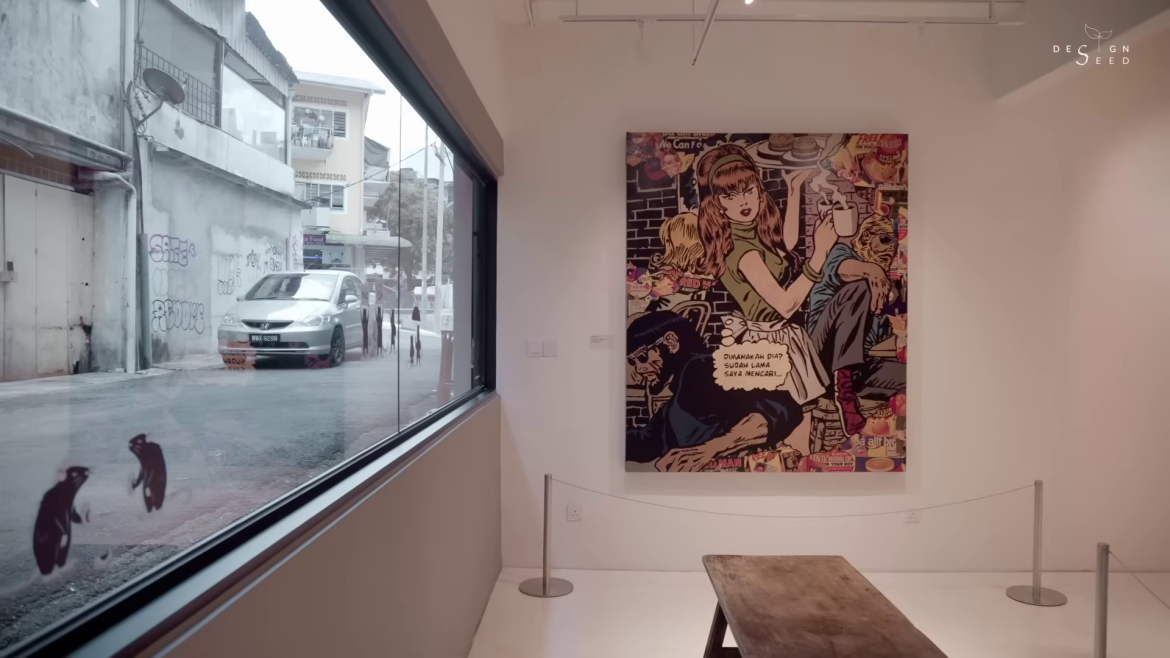
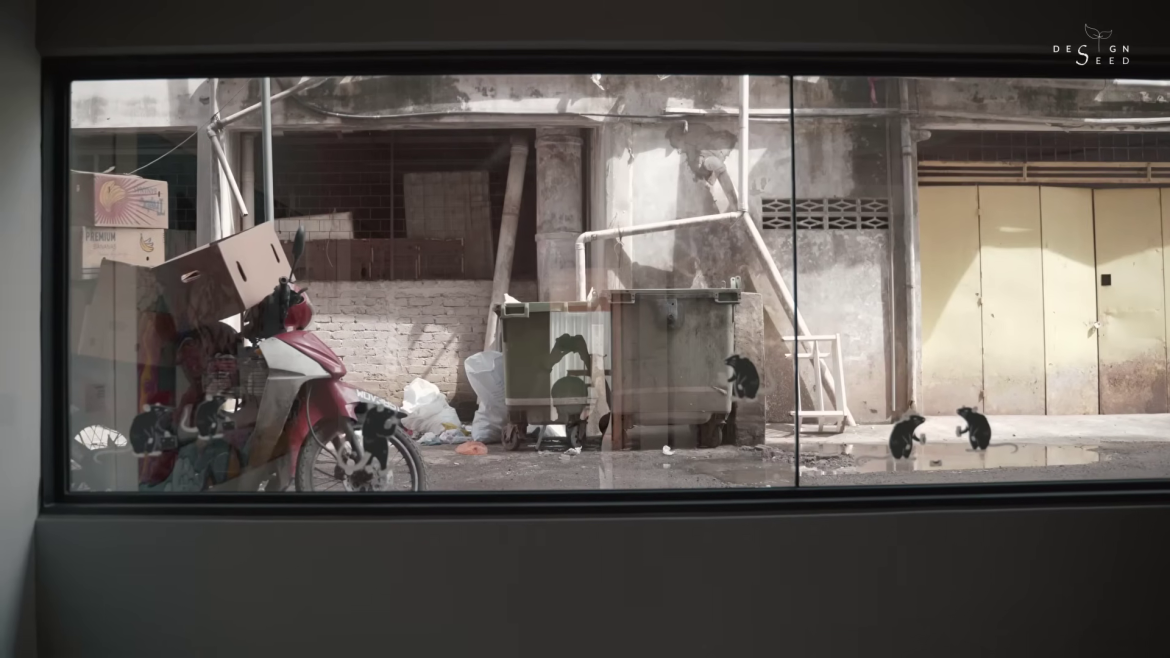
As visitors arrive, he describes how they pass under a glass canopy into a relatively small entrance. Moving towards the back of the first gallery, an entire wall has been replaced with mirror glass — allowing visitors to look directly into the back lane.
The Beauty of the Back Lane
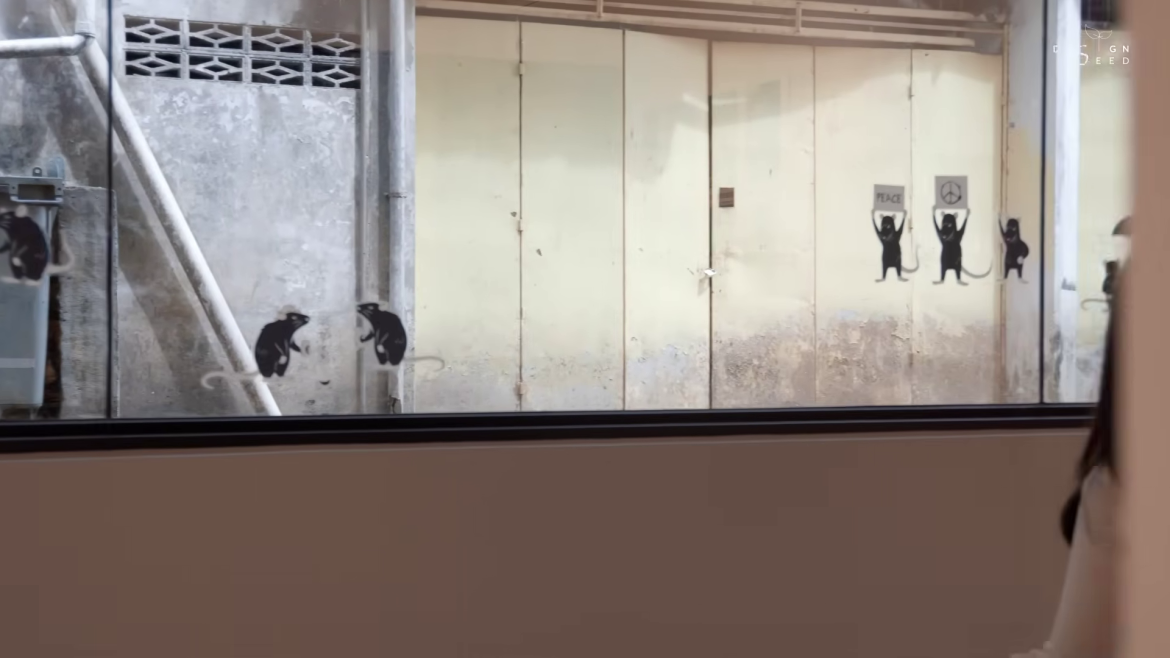
“And in the back lane,” Dr Tan Loke Mun explains, “is actually the truth of every city.”
Throughout the day, people come through to collect recyclables like cardboard and aluminium cans. It’s a raw, unfiltered look at urban life — a contrast to the polished façade at the front. To him, this tension between front and back is what makes a city function.
“It is grittiness, it is rawness, it is reality,” he says, describing the mirrored wall as a piece of living art.
Moving Through the Space
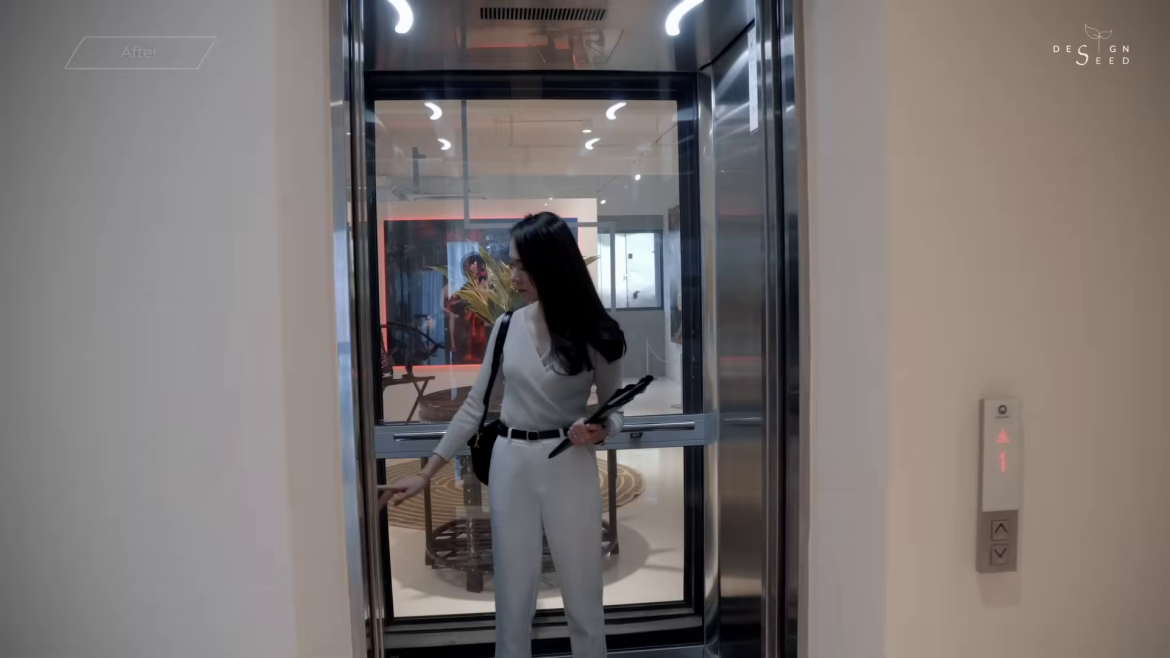
To address accessibility, a glass lift was introduced, with a transparent back that allows visitors to see each gallery as they move between floors. He notes that some visitors even assume the museum is underground, as the journey through the lift creates a unique spatial experience.
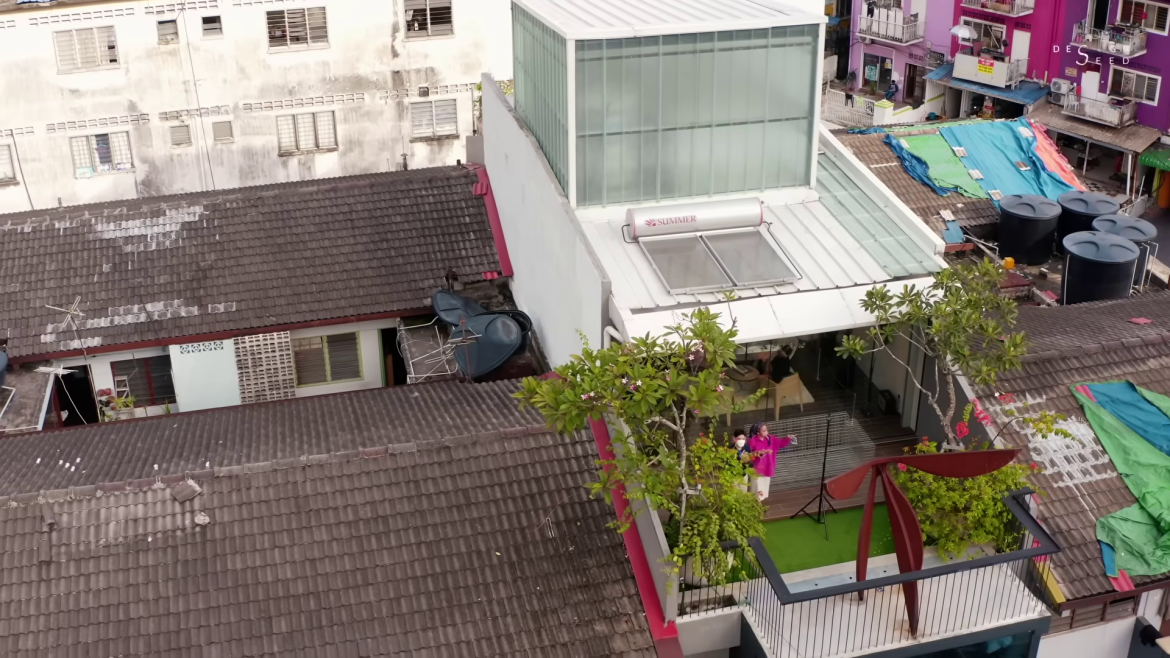
Visitors are meant to explore the museum floor by floor, eventually arriving at the top, where greenery takes over.
A Sculpture in the Sky
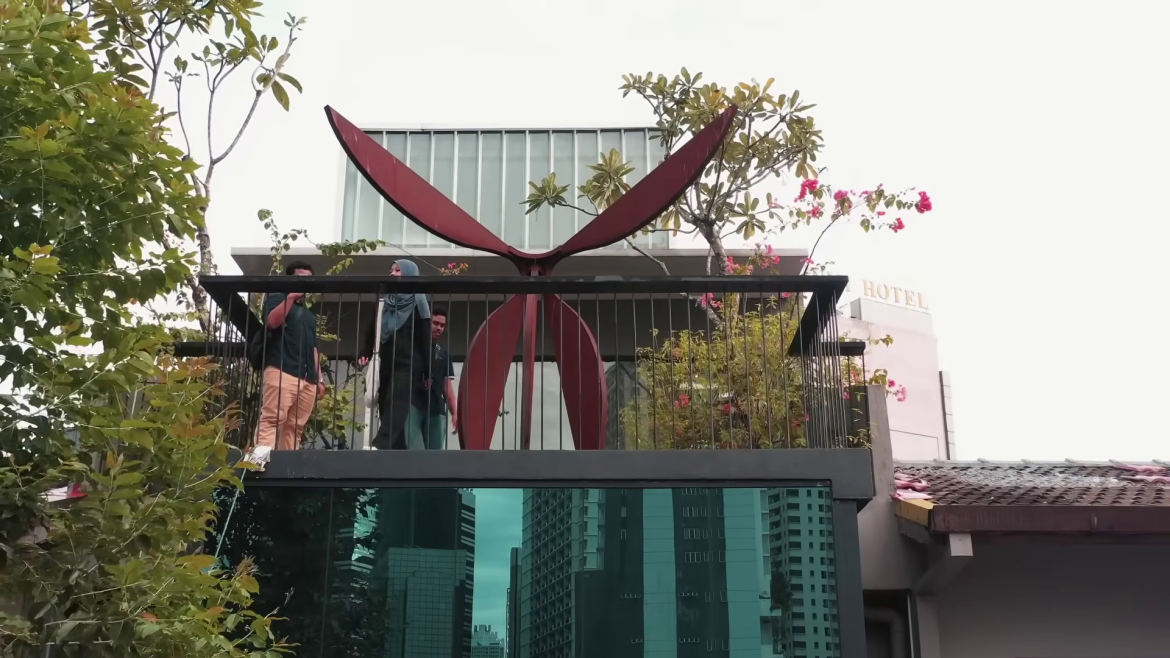
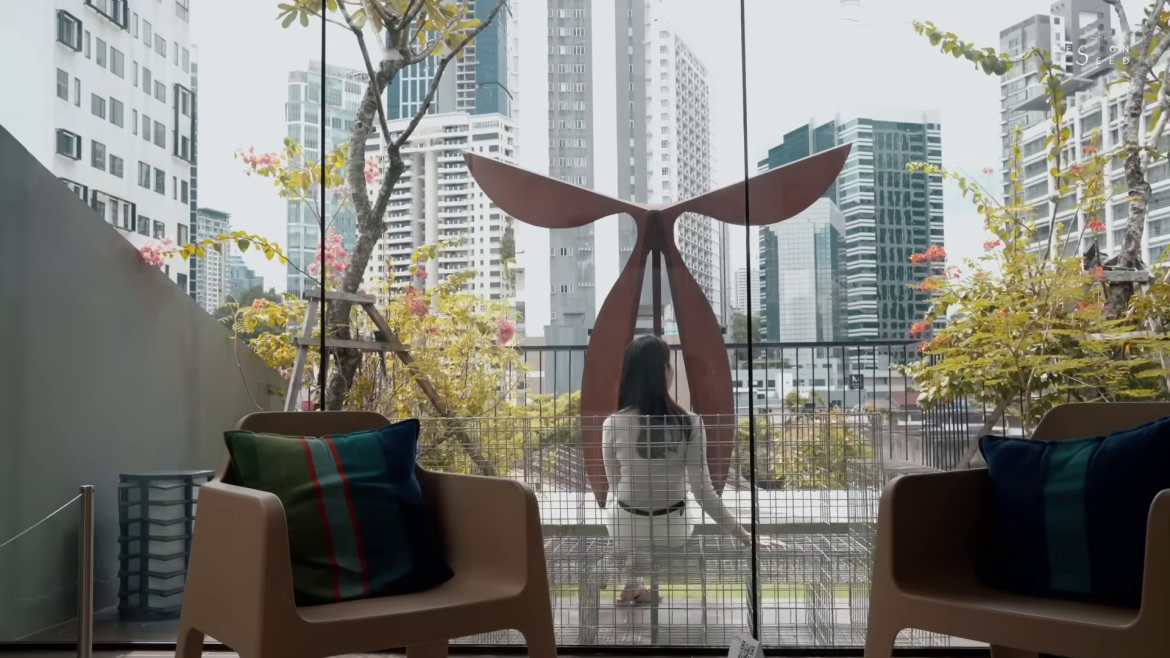
The rooftop spaces include both a front and back garden, with the front designed as a Sculpture Lounge. Here stands a large steel sculpture titled Wing It!, which, as Dr Tan Loke Mun describes, symbolises both the readiness to leap forward and a kind of call for help — almost like a signal reaching out to something greater.
Greenery, he adds, is something the city lacks, which is why the project incorporates roof gardens as part of a broader green building approach.
More Than a Museum
Ultimately, Dr Tan Loke Mun hopes that Ur-Mu will instill a greater appreciation for art. He believes that a country without good art and architecture is, in some ways, lacking — and that art should not feel out of reach, but something people can engage with, collect, and enjoy.
More than just a museum, Ur-Mu is positioned as a movement — one that restores dignity and pride to local artists and their stories.
A City Beyond Development
Want to understand how good design works?
Join our Design Seed membership program for only $5 and get behind the scenes access in depth reels and our exclusive handbook that breaks down technical design knowledge into practical tips you can apply to your own home.
Back to the story:
Modernisation doesn’t just affect buildings and architecture, but also shapes the environment, people, culture, and even emotions.
And with greater support for local creative movements, Kuala Lumpur’s almost-lost historical and artistic values may once again resurface with pride.