Inside an Architect’s Stunning Tropical Garden Home | Urban Farm | Architecture Ideas
8 min read
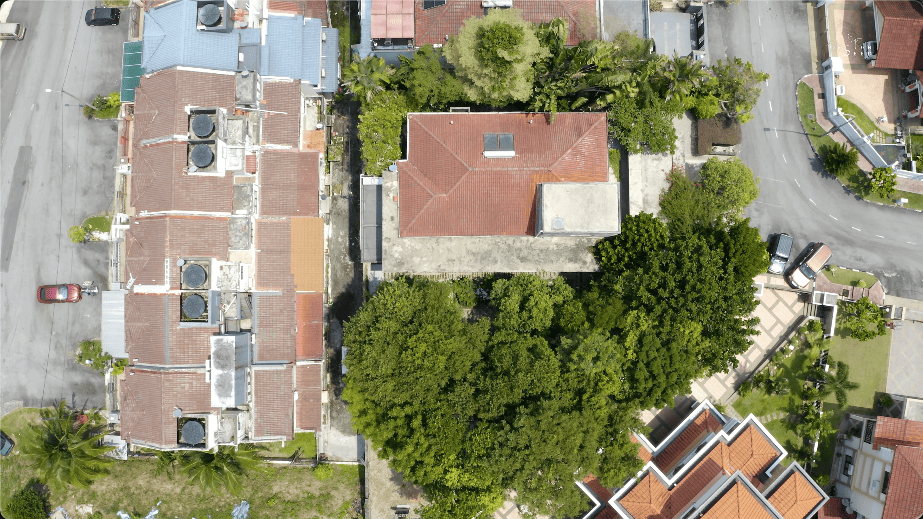
If I told you this property is surrounded by an urban farm and it’s only 15 minutes from the city, do you believe me?
Designing bungalows comes with its own sets of challenges. There’s more space, but also more responsibility. It becomes an exercise of keen sensibility — not to overbuild, but to stay honest.
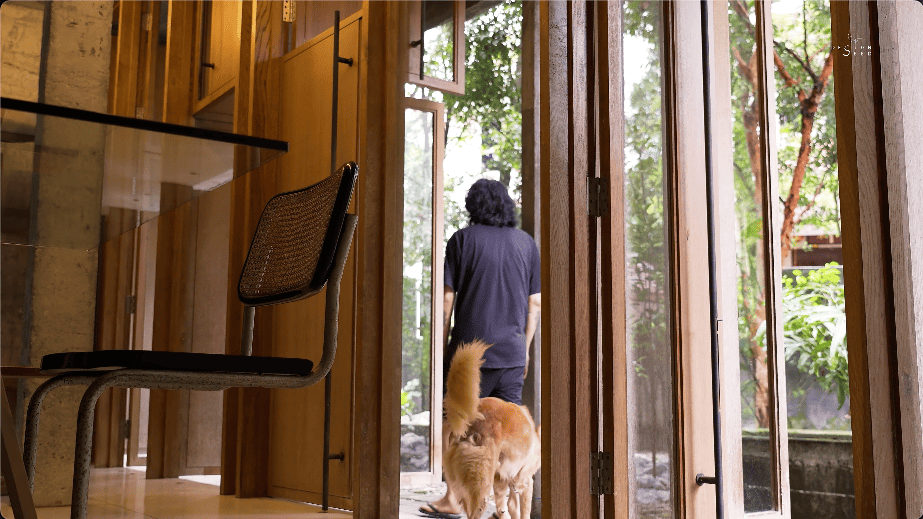
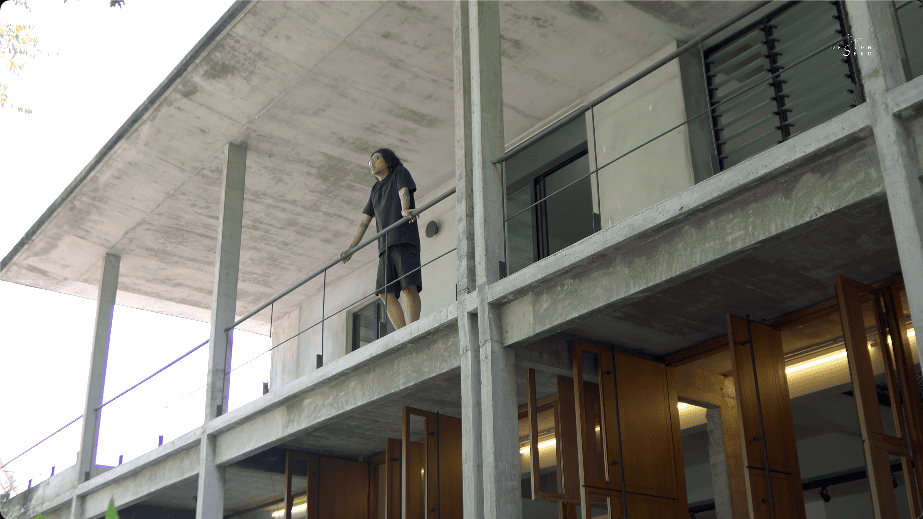
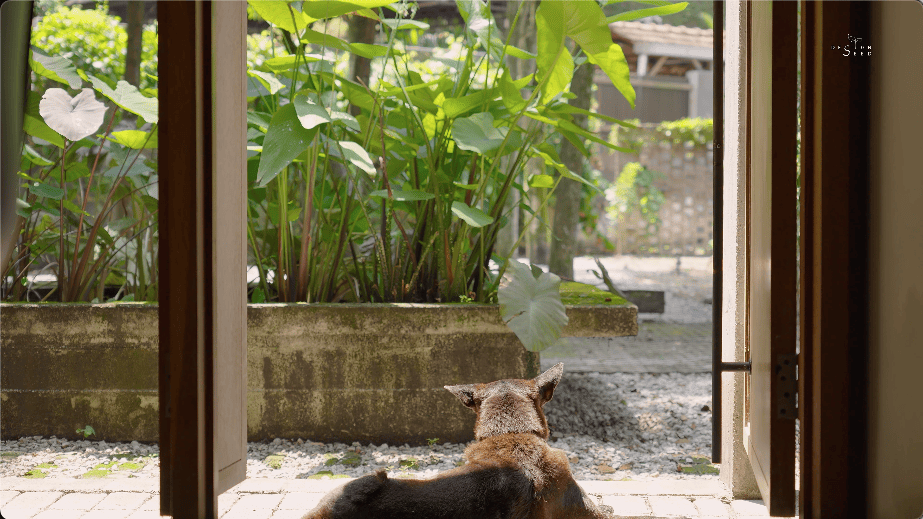
“Every morning, first things first, I’ll come down, release my dog, open all the doors, let the sunlight come in. Now, I will sit in the sofa for a while, get a coffee. Go back up to the balcony, open the knuckle window. And yeah, that’s how I enjoy every morning,” Shin Chang of Mentahmatter Design shared with us.
In this quiet neighbourhood in Cheras, The Lapan House, designed by Shin Chang of Mentahmatters Design, embodies this balance beautifully.
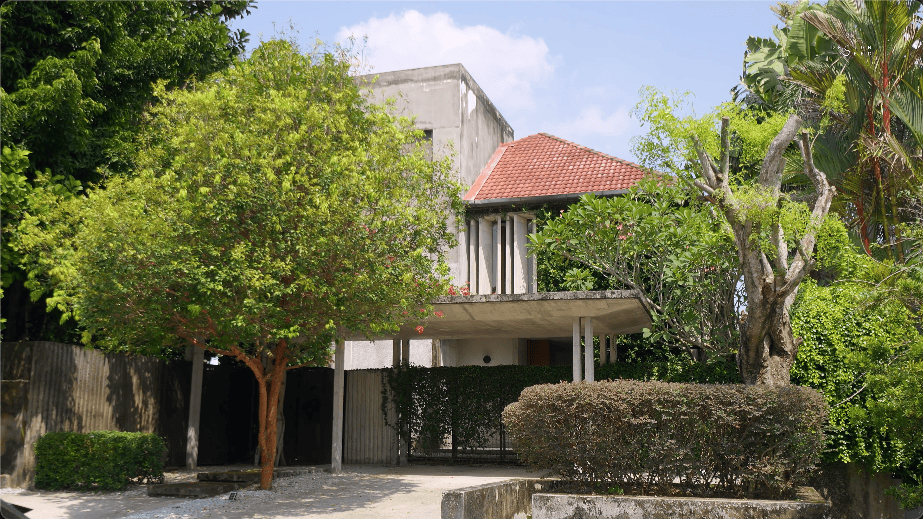
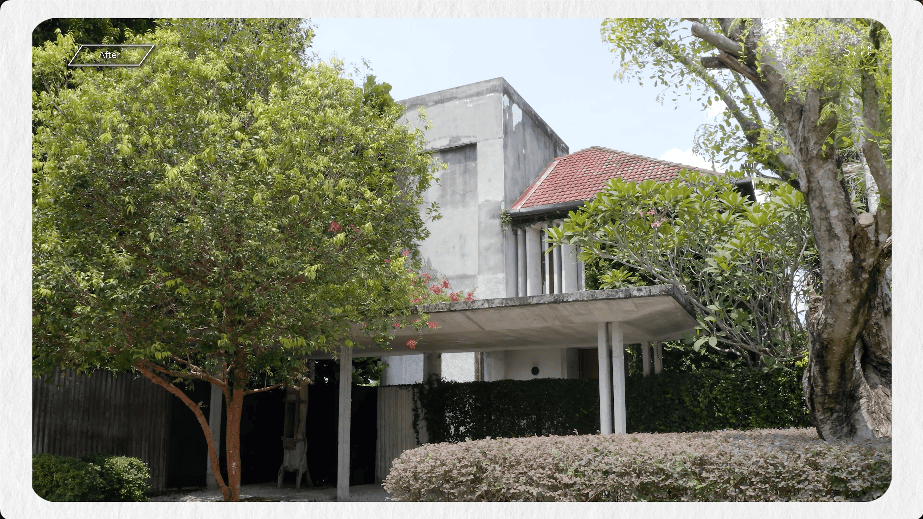
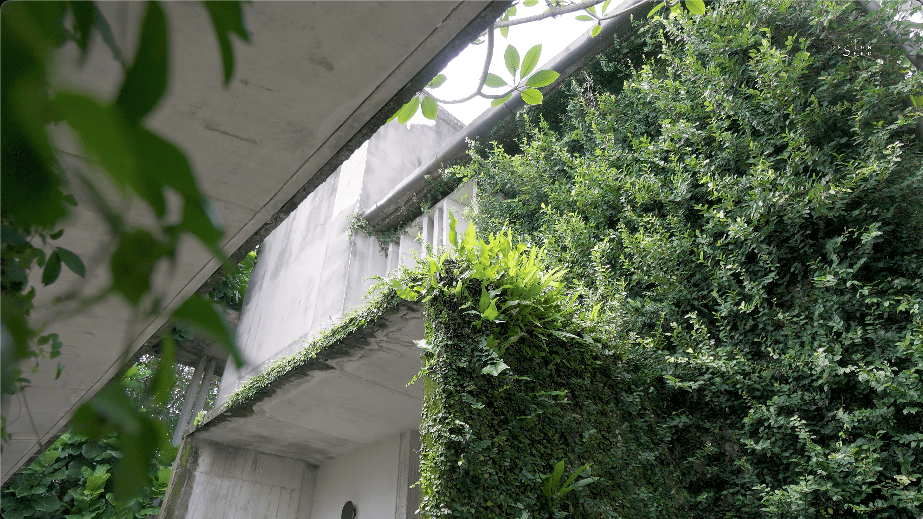
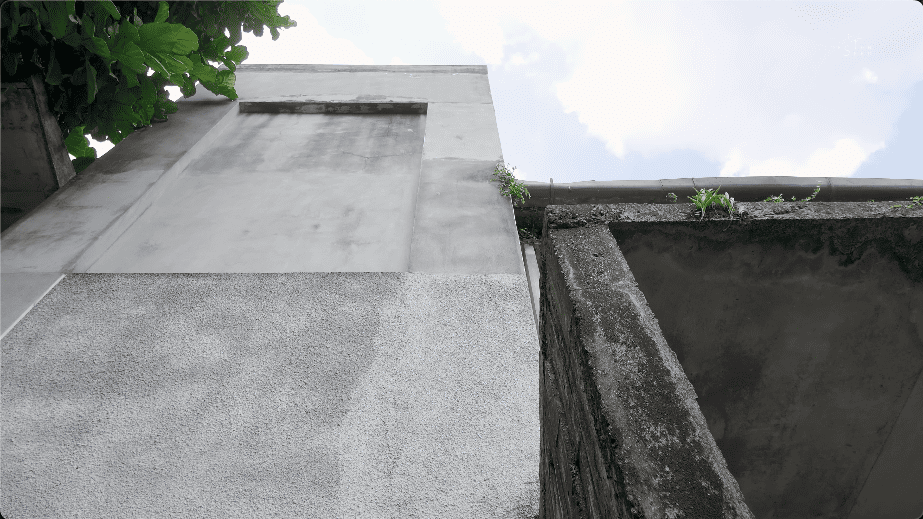
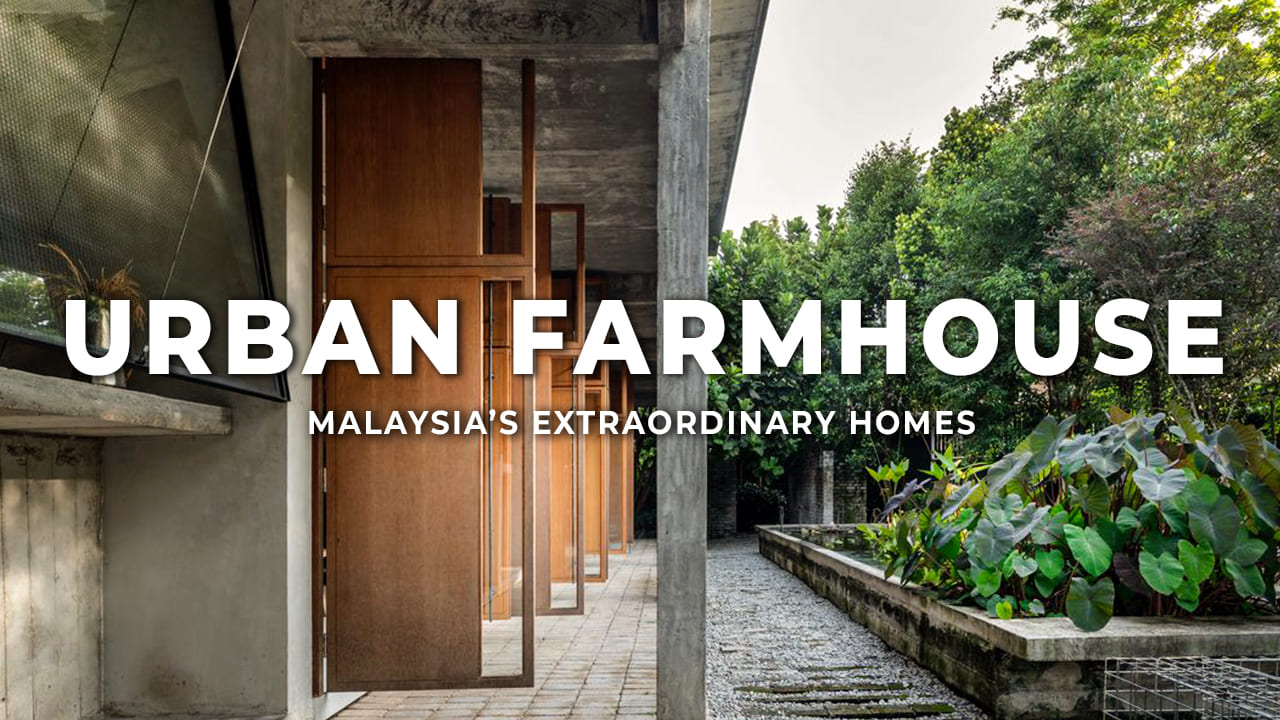
A raw concrete facade softened by greenery sets the scene for a subtle entry.
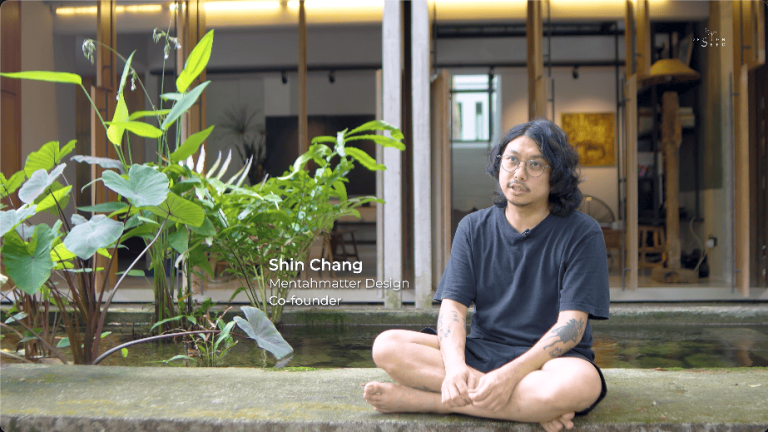
“My name is Shin Chang. I’m a co-founder of Mentah Matter, and also a design architect. So the building right behind me is a house that I designed earlier in 2012. It’s also my house. I called it Lapan House. Just simple, because it’s on number eight.”
“I want the ficus to block my entire facade. When you come into the house, immediately you get a different environment. Because when the ficus grows — this size of ficus, right — it will grow very big. So you can actually dim down the whole thing. Not just temperature, you know, also the light, it’ll calm you down. So that’s how I want the entrance statement to be.”
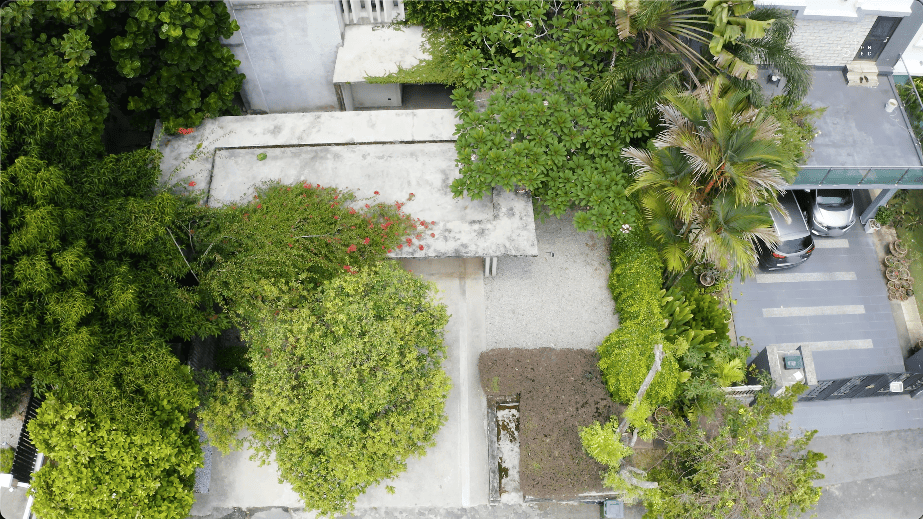
“The facade — I actually didn’t do much. I kept most of the architectural feature. Remove all the polystyrene coping, right? I just take out all, put on plaster and add an arch for weather purposes. I just remove the gates and push the sort of boundary all the way closer to my entrance. And I change the orientation, so you just park the car, get out of the car, walk, walk through a garden before I enter the house. That’s the design intention.”
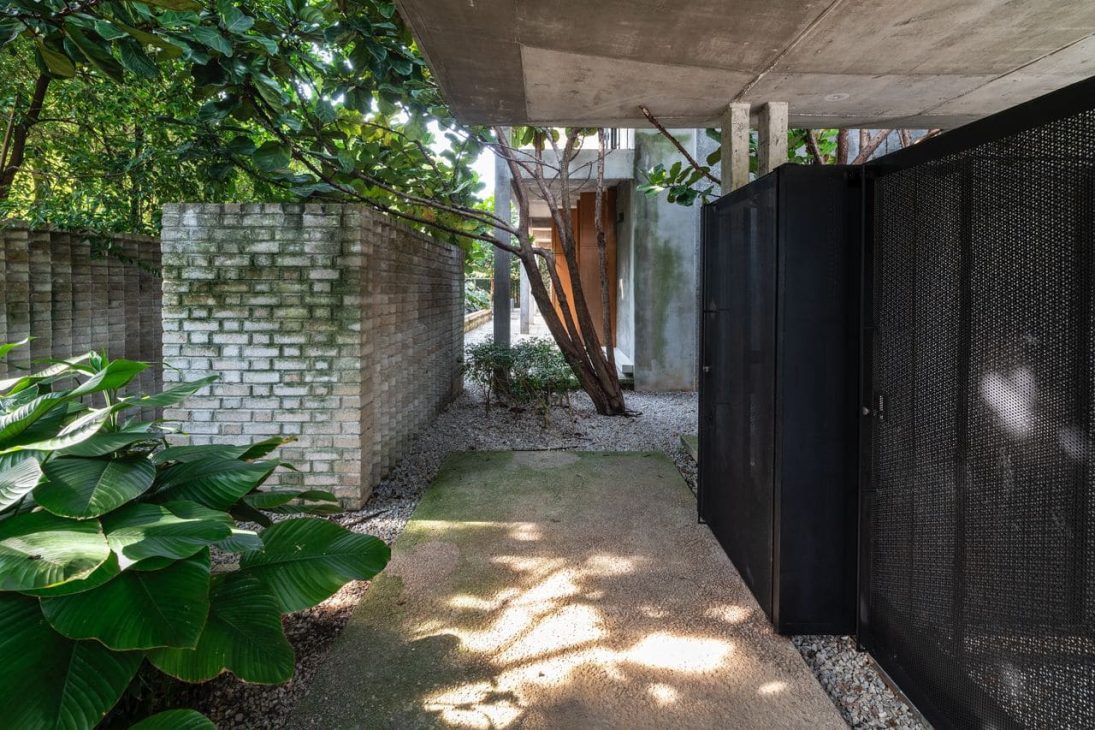
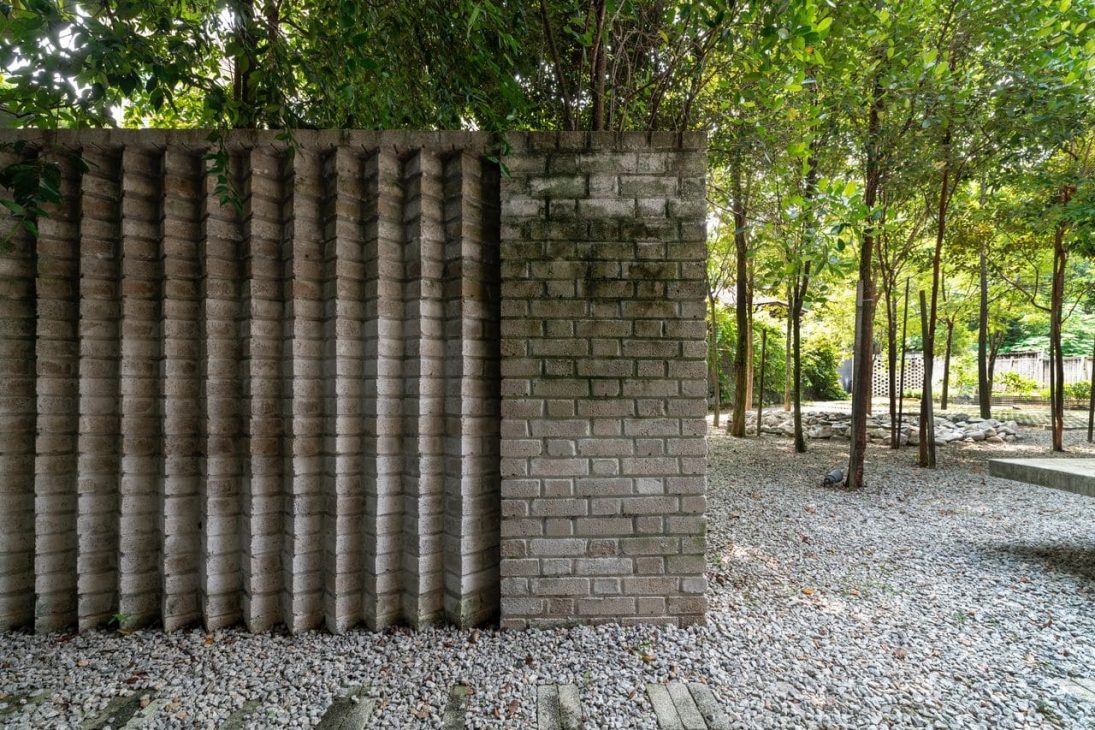
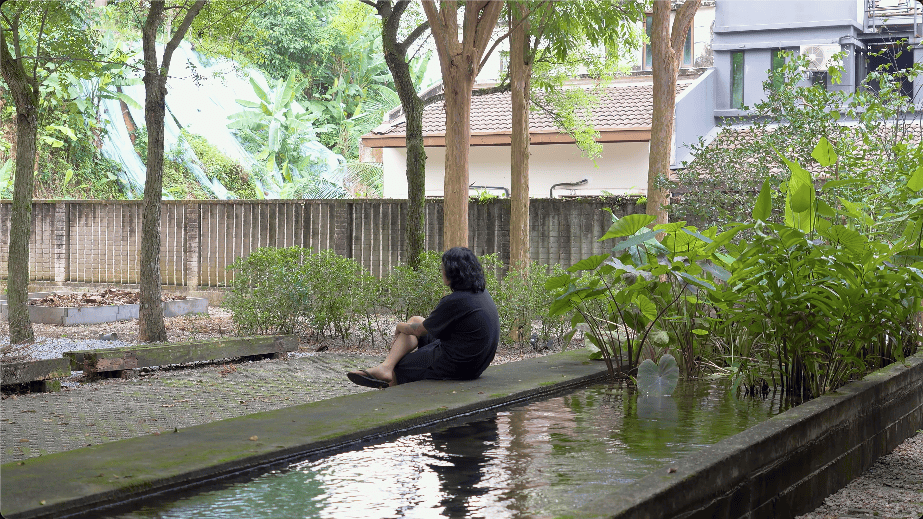
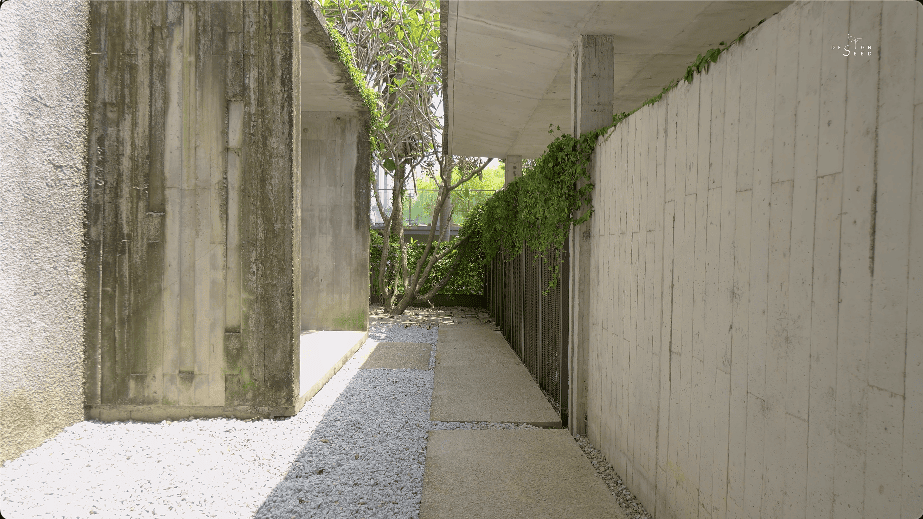
To the left, sand brick walls are laid in rhythmic, textured layers, drawing you in. But these walls don’t just guide — they grandly frame an approach of quiet anticipation to a tranquil fish pond.
“I used the cheapest materials I can find those days. It’s sand brick, so I use the sand bricks to create some garden walls where I use the garden walls to sort of create more privacy. So from outside you can’t see the garden. Of course, with any water feature, you help cool the house.”
“And I put it kind of closer to the house and away from the edge of the concrete roof so that, you know, it won’t hit the pond. And I make it purposely into a water table so that I can sit on it, and I can enjoy the water level closer to my height.”
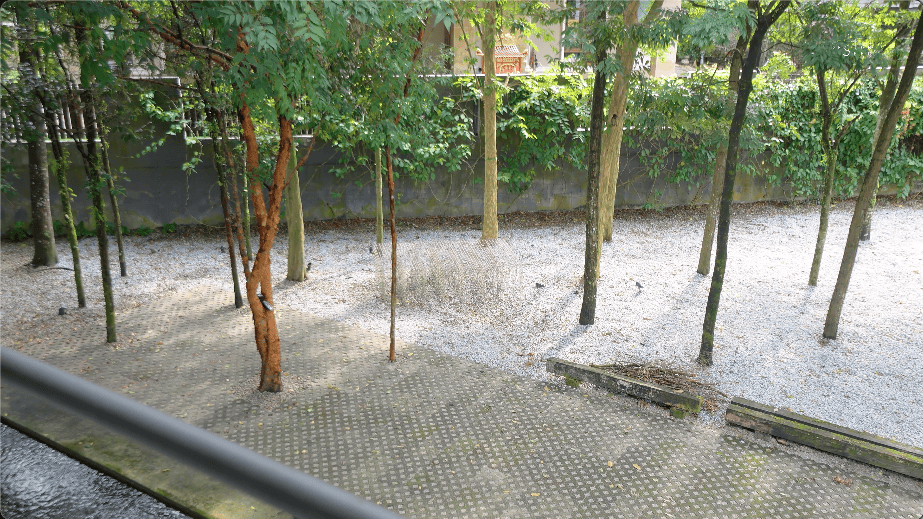
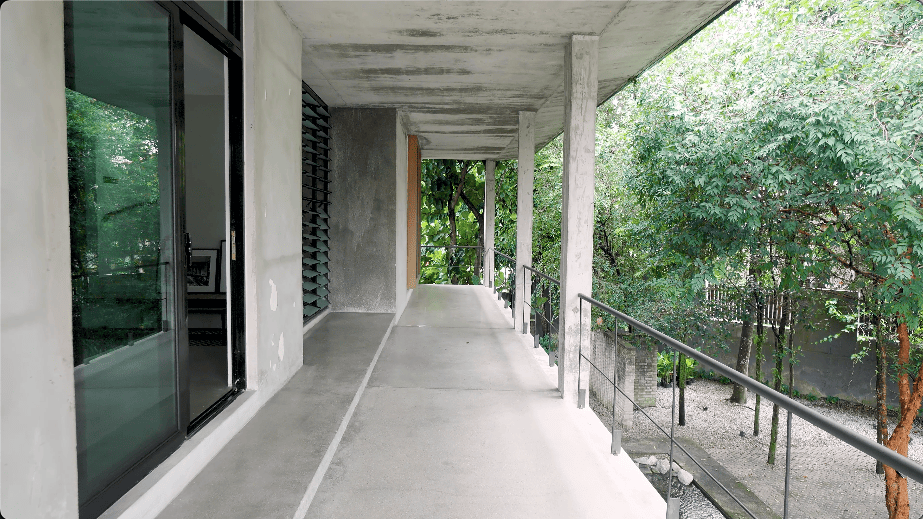
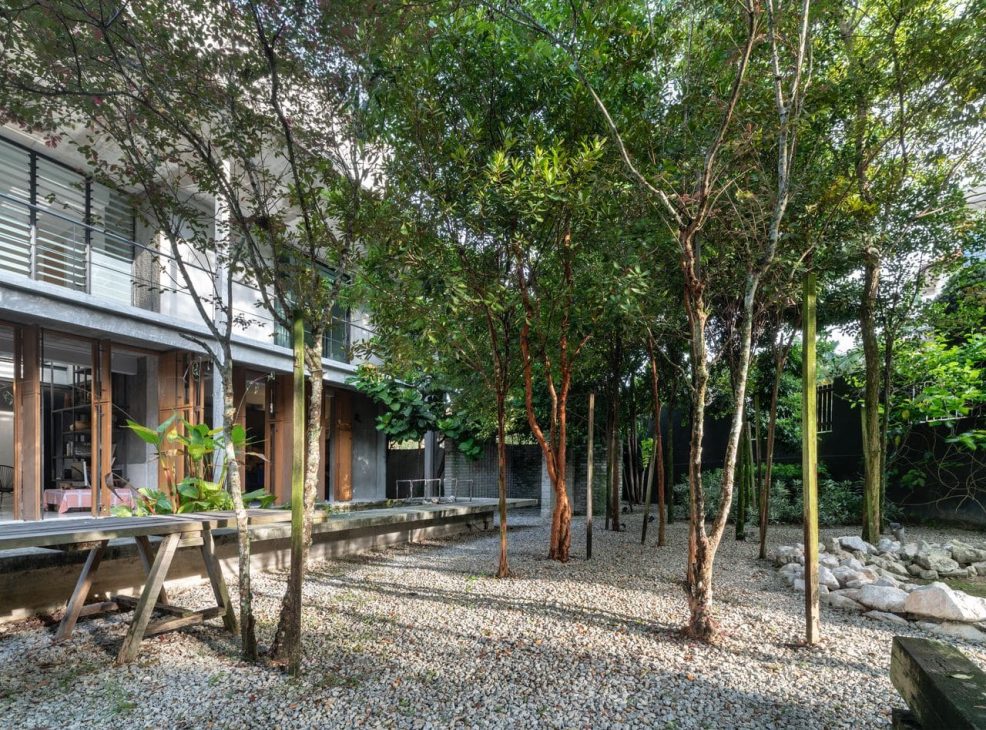
The trees are planted in a grid, creating a calm and structured rhythm. This enhances airflow, and as the tree matures, these canopies form a natural ceiling.
“Initial idea is to block my parents’ house so that they can’t see me. But it grew. Now it grew bigger, there’s actually more connection now.”
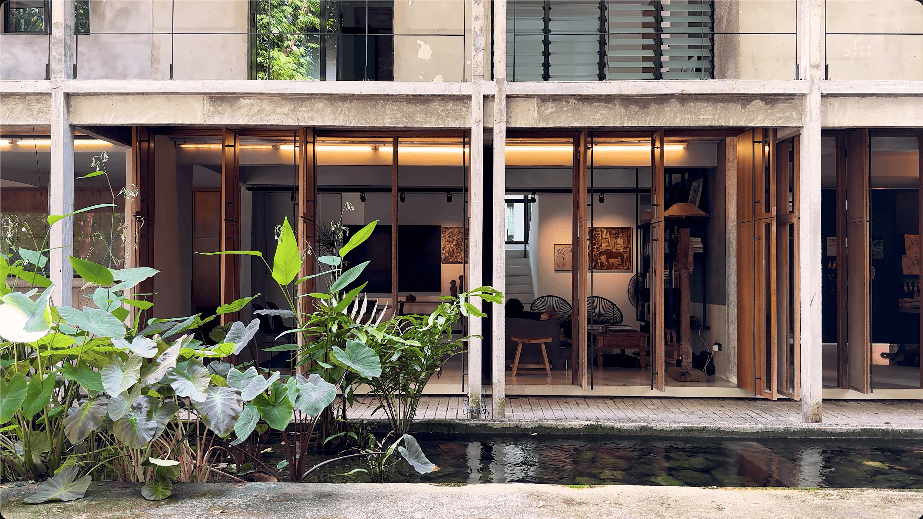
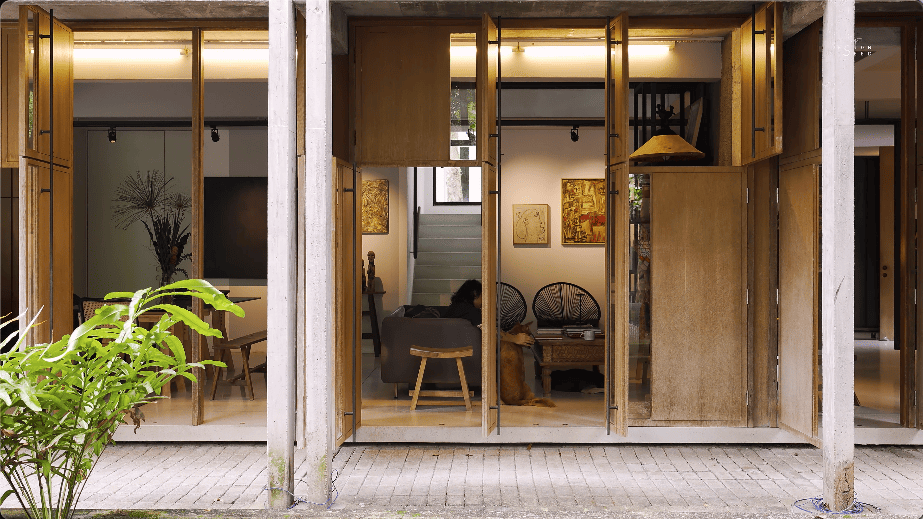
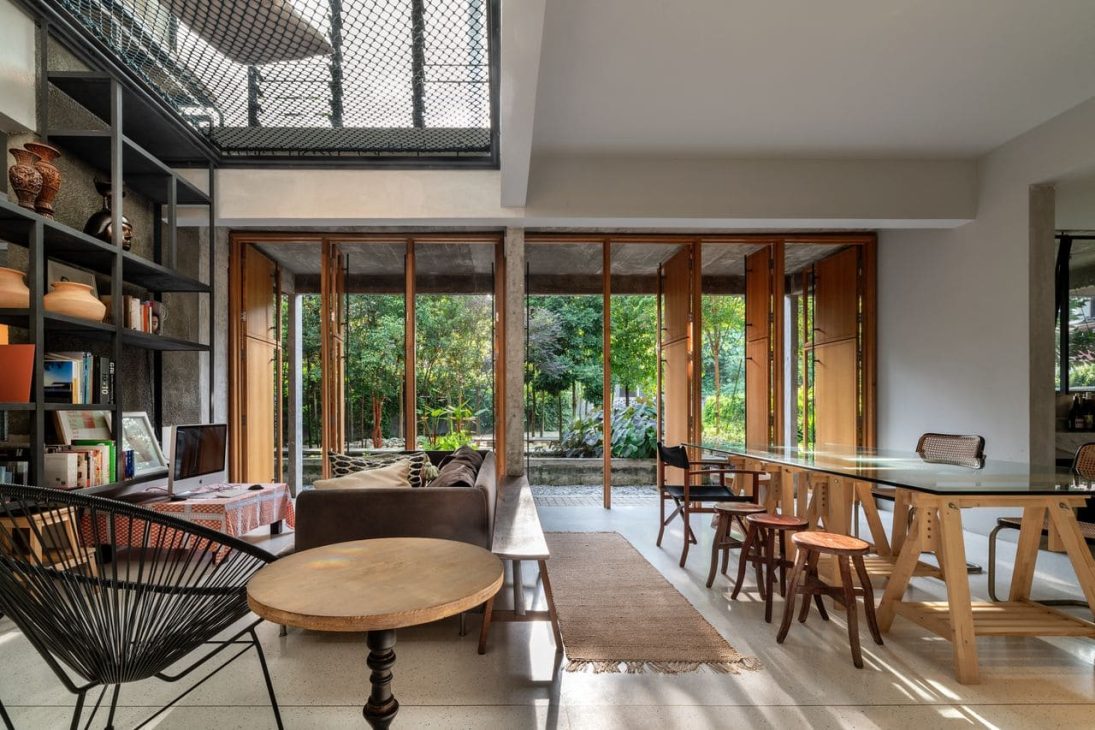
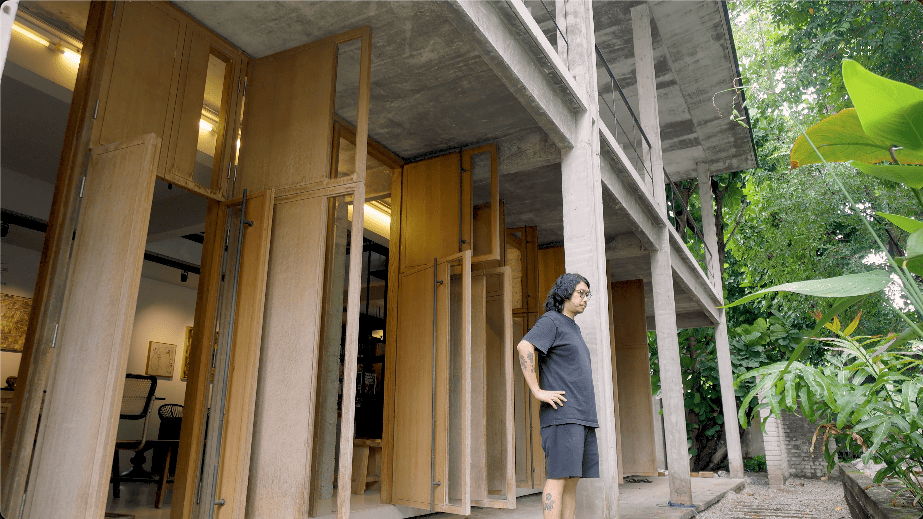
Our first look at the home is defined by tall wooden doors opening to the garden, offering a glimpse inside.
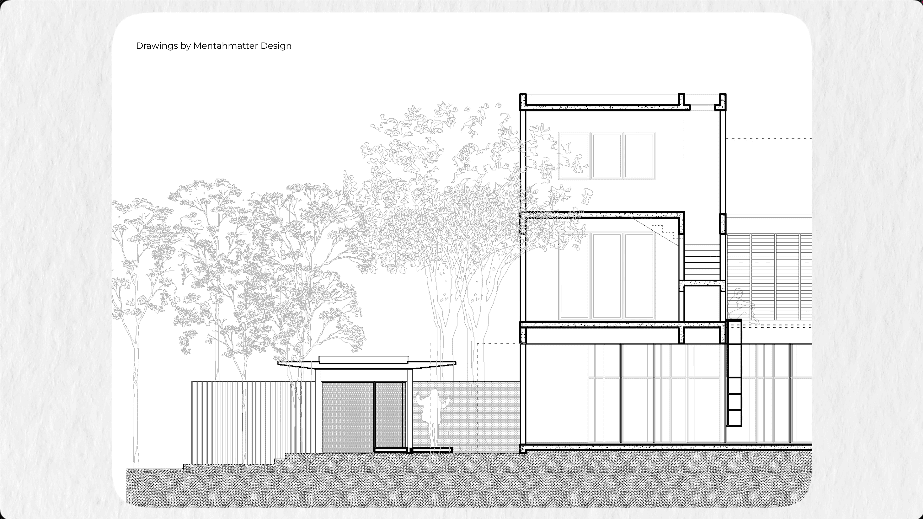
“Okay, the layout pretty simple. Like rectangular, long rectangular. So I didn’t do any extension. What I did was just adding a balcony. Those days, the original house was just a simple pitched roof. It’s only 600 overhang. So what I did is I extend 1.5m — certain parts are 1.8m. So it’s to create more shade, so to cut the sunlight before the trees grow up. That’s the only extension I did.”
The house greets you in two distinct ways. One path leads directly to the garden, the heart of the landscape. The other is a more subtle entrance. Tucked behind vines, a box-like structure creates mystery. Step inside and you’ll find a simple entrance. A solid wooden door, silent and unassuming, sets the tone for the home’s character.
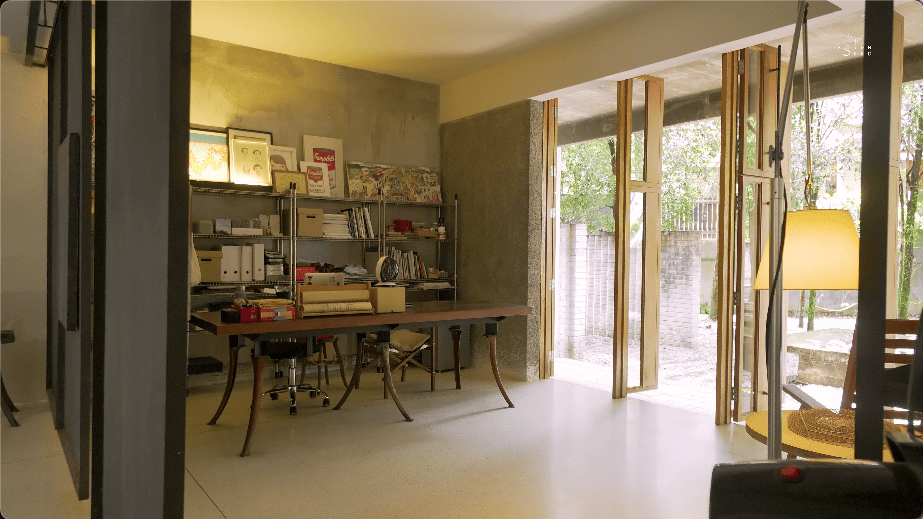
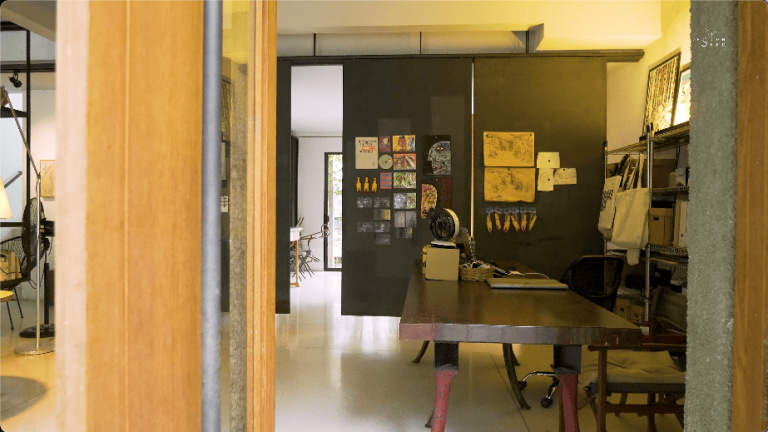
Step inside and you’ll find a simple entrance. A spacious foyer sets the pace for a calm threshold. At the side, a workspace fronting the garden is a space designed to inspire. Hanging metal screens act as a gentle divider, filtering light and sound and offering just enough privacy. What’s clever here is how they float above the floor without visible tracks. This maintains a seamless and fluid connection between spaces.
A clever use of primitive materials grounds the home in honesty and function. Steel, for instance, isn’t just structural. Its slenderness allows for lightness in form. It’s durable, low-maintenance, and weathers beautifully over time, creating the home’s raw yet refined character.
“Before that, it was a very simple conventional bungalow. It was pretty small, I think the build up was only 2000ft². But my intention is not to enlarge it, just to open up to the garden. Actually, I make a lot of alteration facing the garden. The garden I’m facing now is on the east. The whole idea of the house is to open to the garden and also capture the morning sun.”
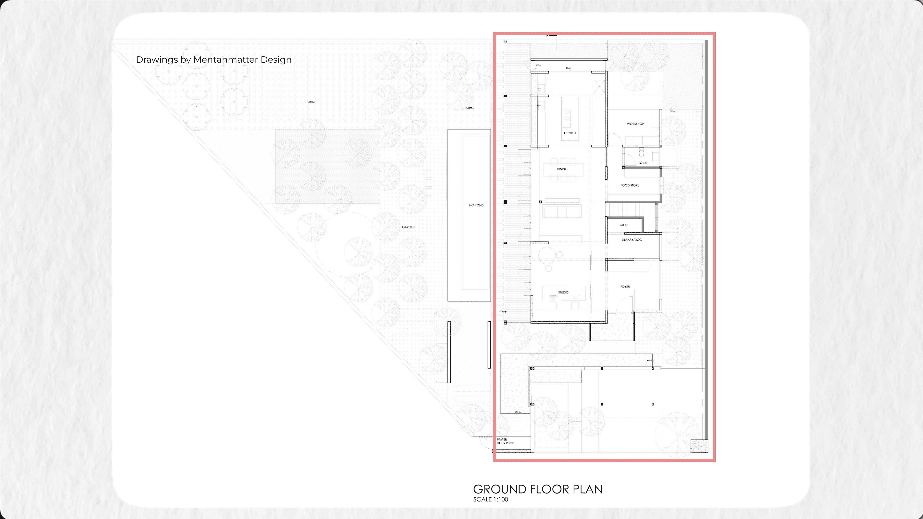
“The layout of this house is relatively more rectangular. Open up all the walls, I made it into an open plan and I split the rectangle into two parts. One part putting all the layouts facing towards the garden, and on the other side I put most of the important functions like toilets, bedrooms, and storerooms,” Shin Chang shared.
“If you see in my house right now, it look actually slimmer and longer because of that. So you keep your circulation shorter and also more straightforward. Actually in that sense, it’s more functional.”
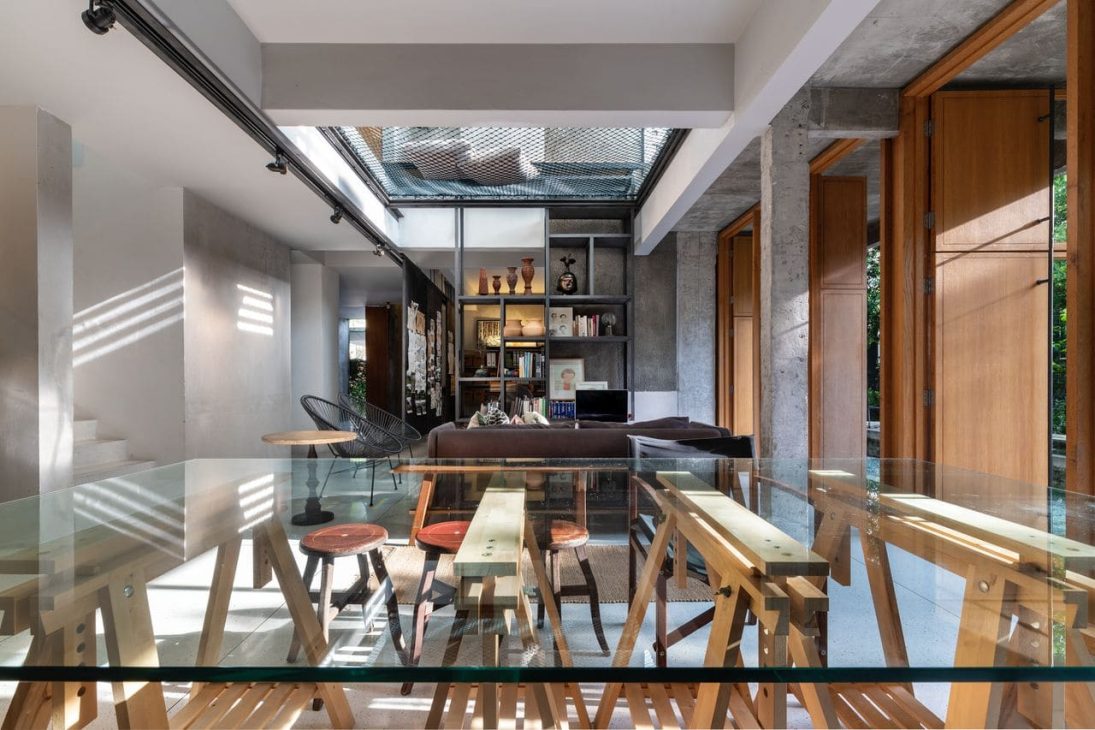
Solid wooden doors open to reveal out to the garden. But what may seem simple at first glance is actually thoughtful craftsmanship. These are cleverly crafted two-tiered doors. The lower panels can be shut during heavy rain while the upper remain open, encouraging natural cross ventilation.
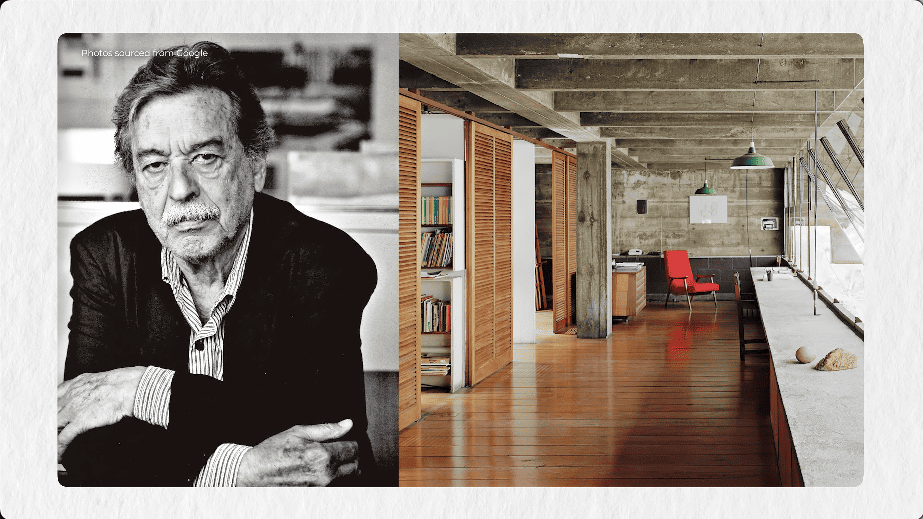
“Basically why I design like that is of course partly I was influenced by Paulo Mendes — you know the Brazilian architect. The intention is because it was a three meter height, you know, three meter you can’t achieve with one single wood panel, right? So that divide basically based on the size of the material. The door is made with solid wood frame and plywood and also veneer, that’s it. It will last quite a while.”
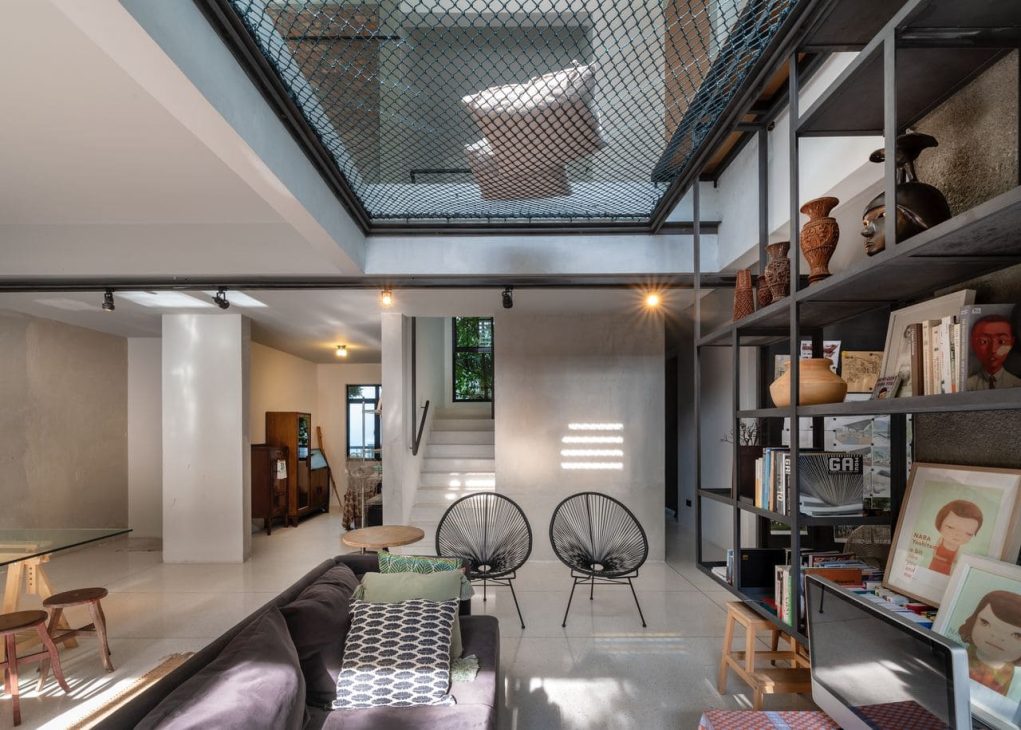
Above the living area, a double volume void allows heat to rise and escape. Instead of leaving the void unused, netting was installed, making the space functional and unique.
“First, I wanted to have a double volume height, so that the hot air can, you know, go out and there’s a chimney effect. And I put the lower window next to it, so that when I open all the windows, that’s how the ventilation comes in and go up. Second reason, I don’t like railing. Instead of putting railing, I just put a safety net so that I wouldn’t fall down. That’s it, simple. I never sit on it. I just sat maybe one time.”
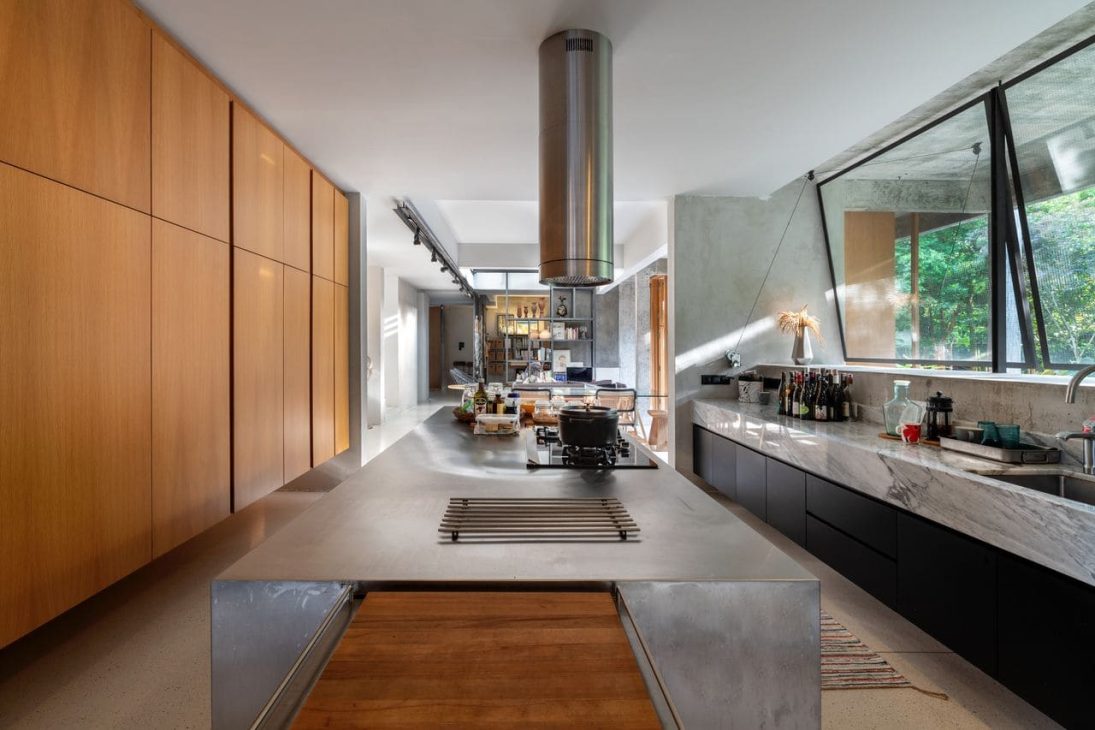
Everything in the living and kitchen area is cantilevered — from the shelves to the kitchen island and the kitchen cabinetry. This creates a generous clearance for the floor space, making the house feel airy and spacious.
“It’s more on practical, and I also make the practical aesthetically pleasant.”
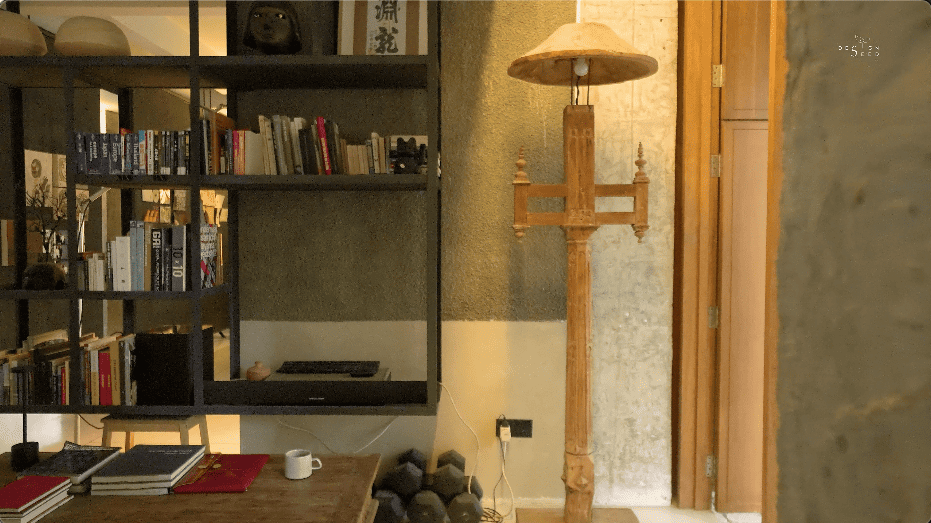
There’s a quiet elegance to the interiors that speaks of restraint and clarity. A curious corner catches our eye with an intersection of three textures, creating contrast and materiality.
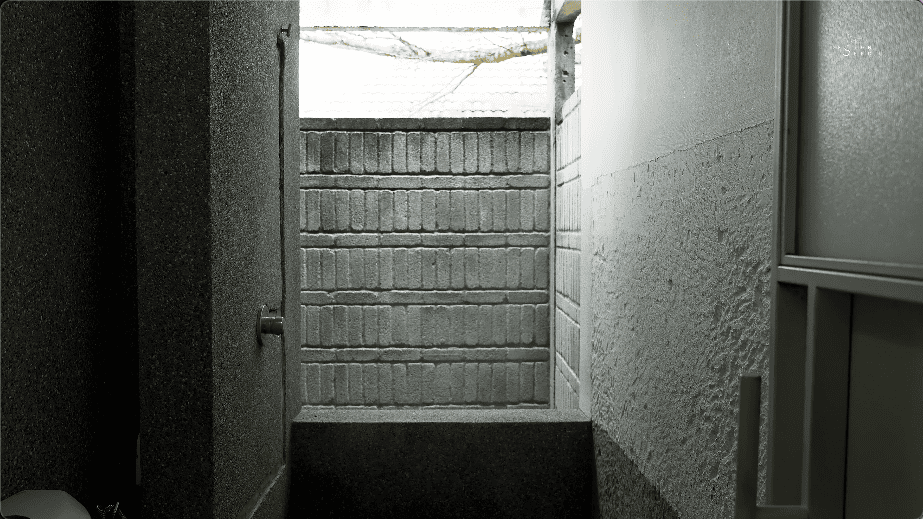
“That is intentional, because when I built the house, it was a part of an experiment. I was quite new, so I want to learn a bit of different texture, how it works and all that. So I asked the contractor, the workers, to do different textures for me, to test out. That’s the test wall. The same happen to the trees because I was working with Seksan Design, the landscape firm. So I was curious — oh this tree when it grow up will become what? I plant it just to watch it.”
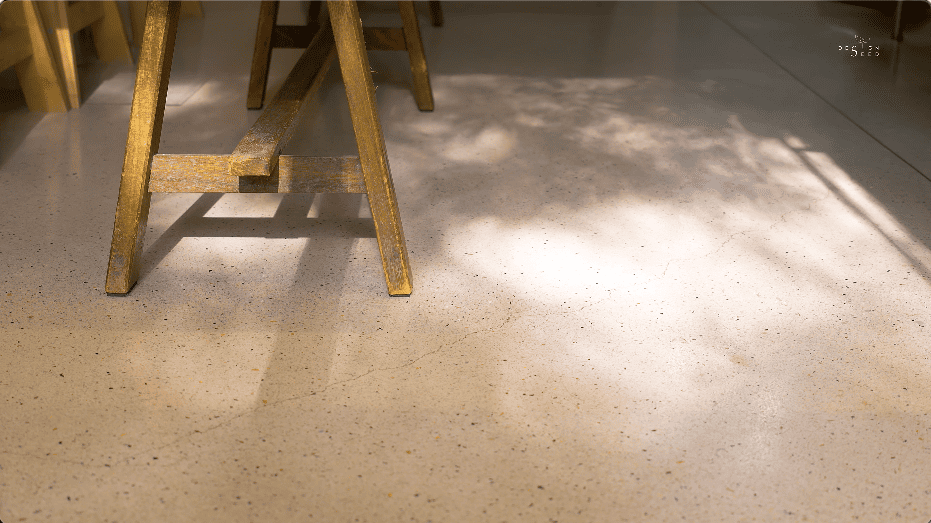
The terrazzo floor tells a story that embraces wear and time. In a home like this, perfection isn’t pristine — it’s lived in. There’s beauty in how it ages, quietly celebrating imperfection.
“I just like it out of no reason. Sometimes I think designs, you don’t have to seek for reason or practicality or, you know, durability. Sometimes you don’t need to. We don’t have to do that all the time. Depends how you accept imperfection.”
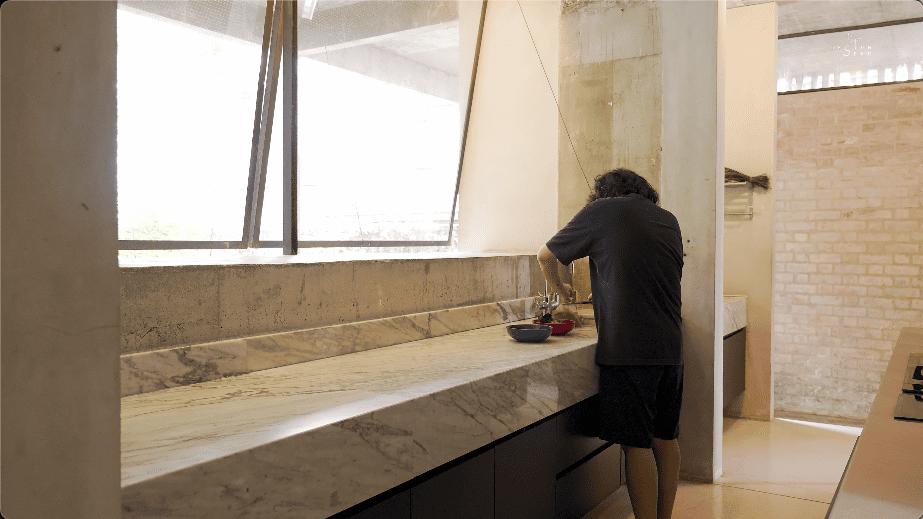
In the kitchen, a stainless steel countertop anchors the space. The kitchen blends red brick, marble, and cement, creating a warm yet industrial feel that’s both functional and inviting. Large windows frame the garden at every turn, keeping you constantly connected to nature.
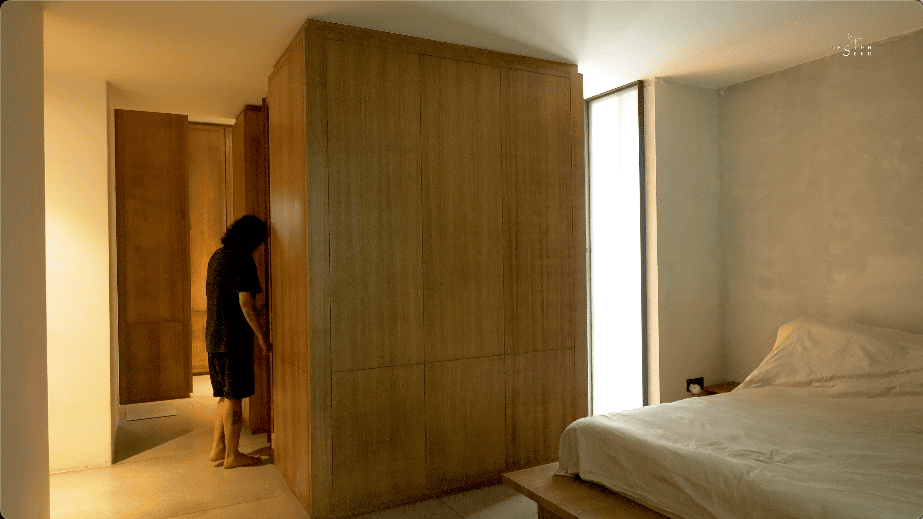
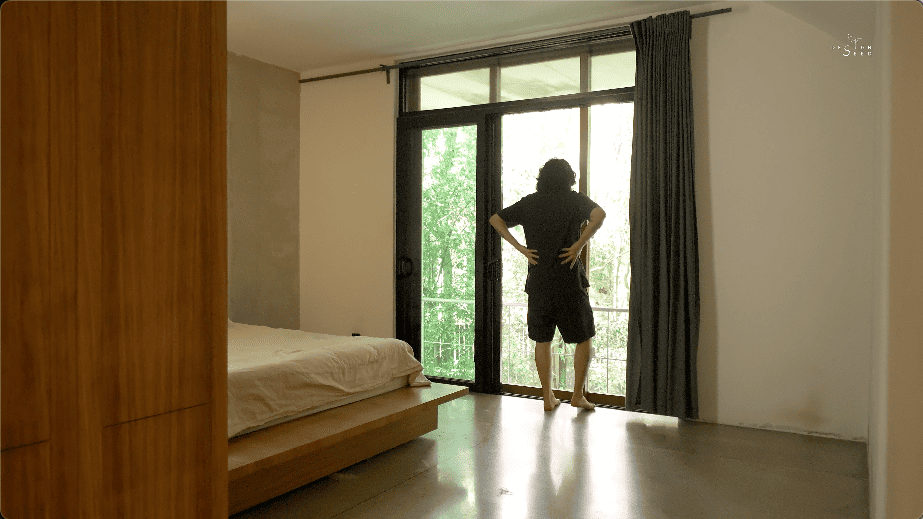
The master bedroom takes on a unique layout, with a walk-in wardrobe positioned like an island in the center of the bedroom. Surrounded by white walls and warm timber cabinetry, the design sets a calm and minimalist tone.
“When we planned the whole master bedroom, we thought that, besides having a bed, what else we could have, you know. So the island of the closet is not just the wardrobe, it also functions as a dressing table. We try to make it like some fun element, so that you can add it like a changing room.”
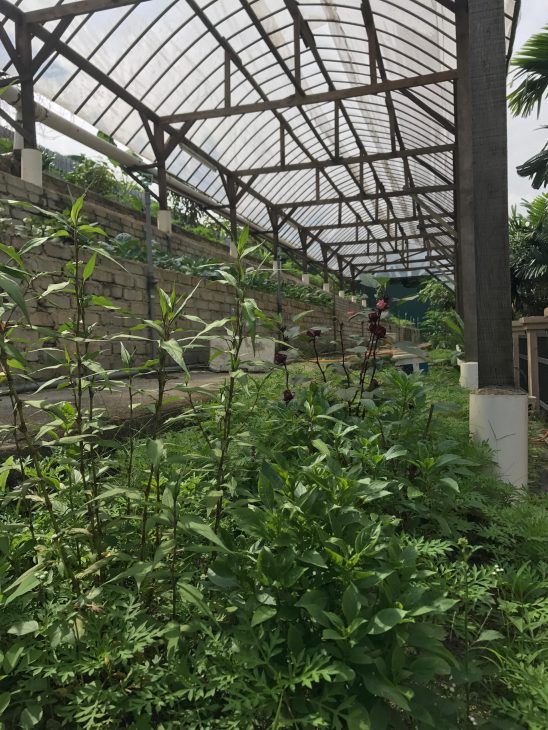
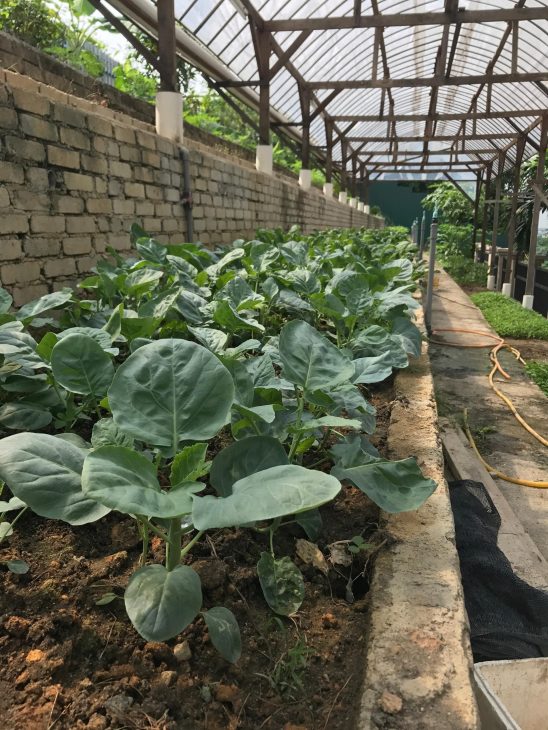
At the edge of the home, a shared garden managed by Shin Chang’s uncle features an avocado farm thriving on shared resources for the neighbourhood. This is a thoughtful idea for those living in gated communities on how to make the most of extra land.
“So this house particularly I think is all built around practicality and also cost constraint. So basically, I always believe in something simple and practical. I think this kind of design, basically it reflects how I see things. The interaction should be more seamless, if you ask me,” Shin Chang shares his closing thoughts on his home.
The materials of this home are simple — raw, familiar, and unpretentious. But in their simplicity lies depth. Through thoughtful planning and a deep understanding of the site and climate, Shin Chang has crafted a home that speaks not only of design, but of life. Because at its best, architecture is more than just form — it’s feeling. And homes like this remind us why that matters.
If you enjoyed this story, don’t forget to check out the top 10 interior design trends from Nu Infinity’s stunning homes here!
Thank you for taking the time to read this Article. Stay tuned for more updates!