Inside this 5 Star Luxury Hotel Opened in 1932 | Excelsior Hotel Gallia
5 min read
On our trip to Italy, we got the opportunity to feature the Excelsior Hotel Gallia in the heart of Milan. In today’s episode on Design Seed, we will be revealing how Italian architect and designer Marco Piva created unique hotel spaces that play with volume and light.
“Like the same in Milano, or in Venice, or in Rome—where we have people doing the beautiful thing. I always try to find the reason for the project—architectural speaking, interior design speaking—and all to sustain a certain vision,” Marco Piva explained.
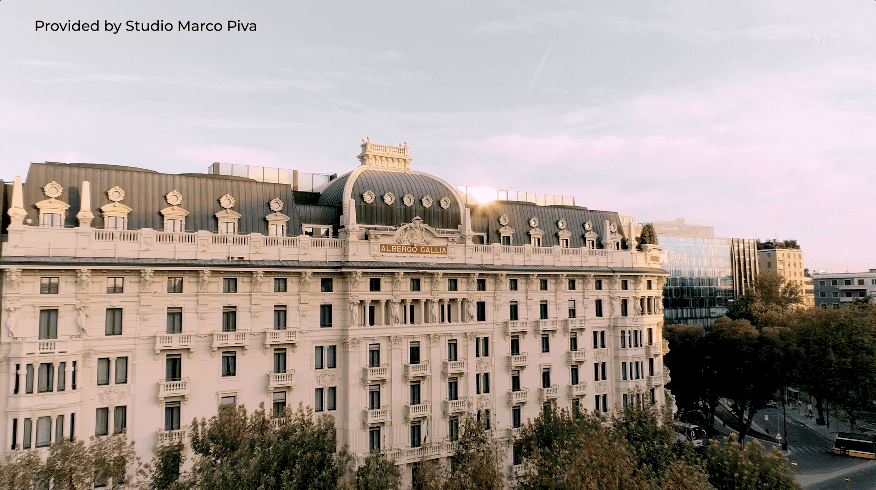
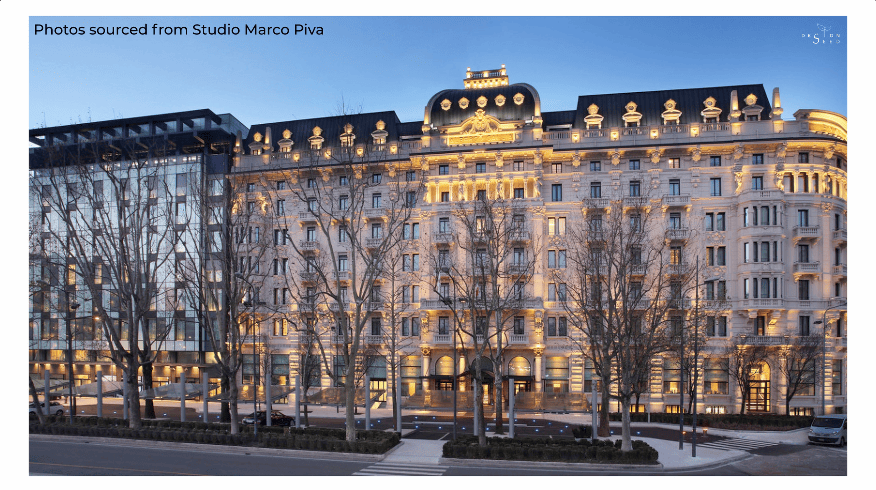
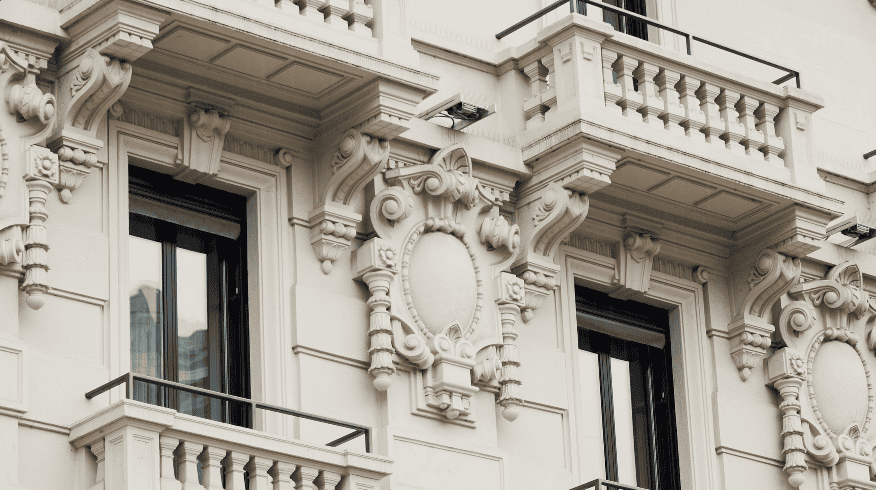
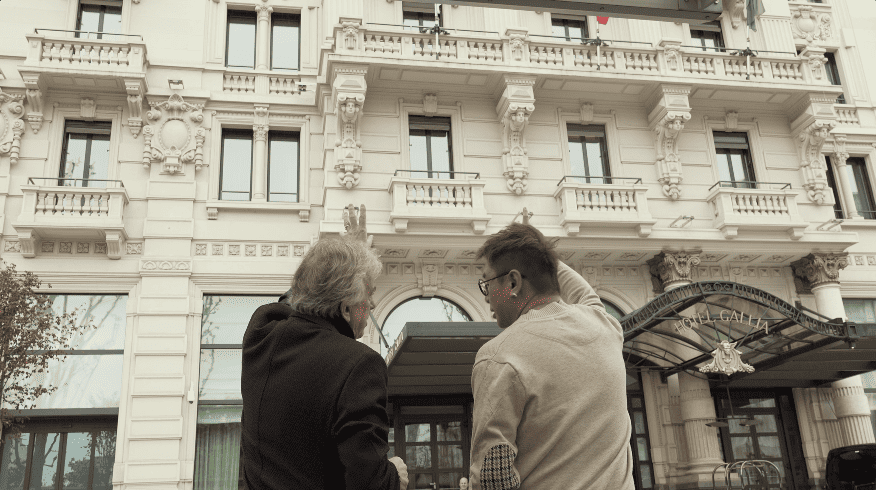
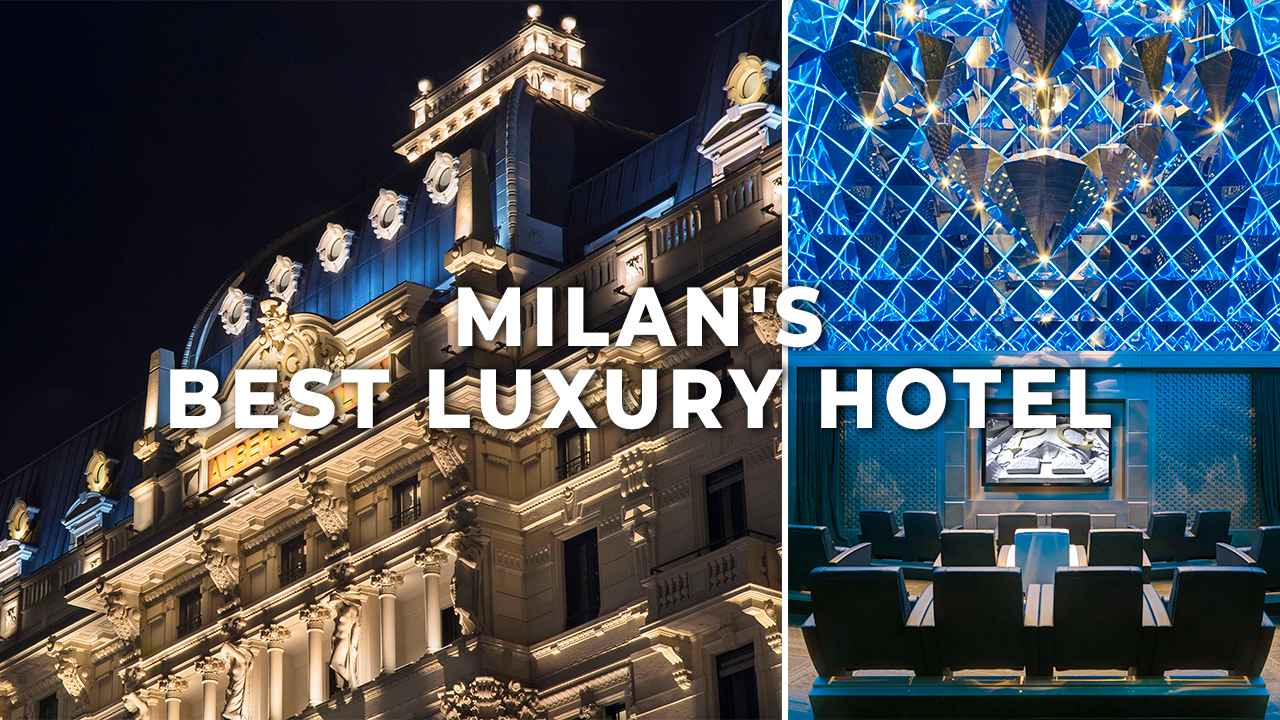
The heritage landmark, which originally opened its doors in 1932, was transformed into a stunning architectural feature with Marco Piva’s exquisite touch. The heritage exterior transitioned seamlessly to modern interiors, creating a timeless appeal.
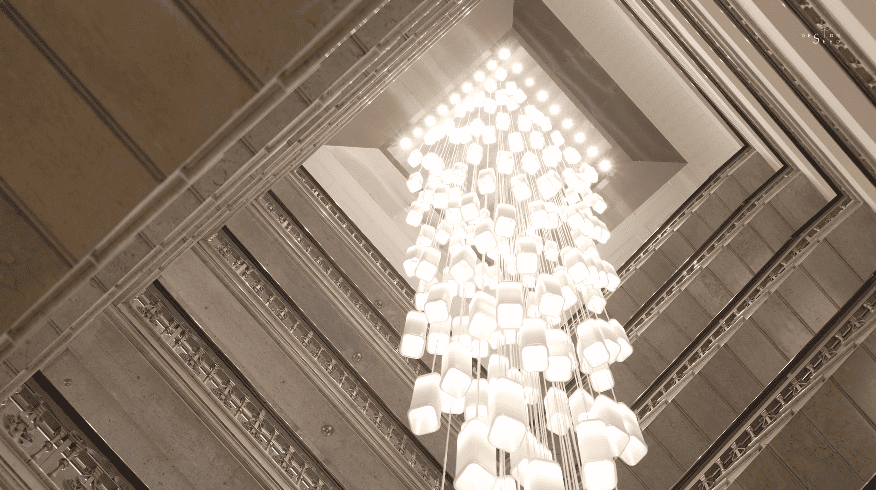
A classically vintage lobby sets the stage for a white chandelier, curated with 180 pieces of Murano glass, making a grand statement in a waterfall of lights.
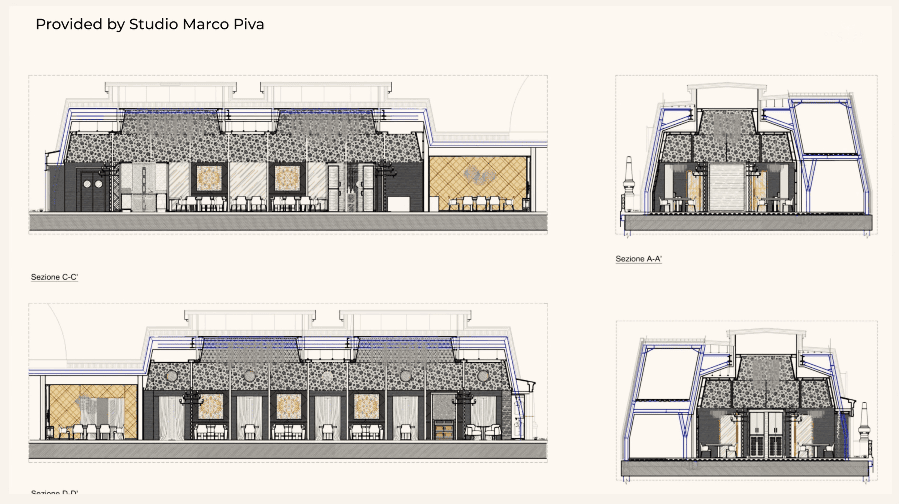
This is not just a simple restoration project. Marco Piva embraced the challenge of fusing two different kinds of architecture with an interconnecting interior, matching styles from different eras.
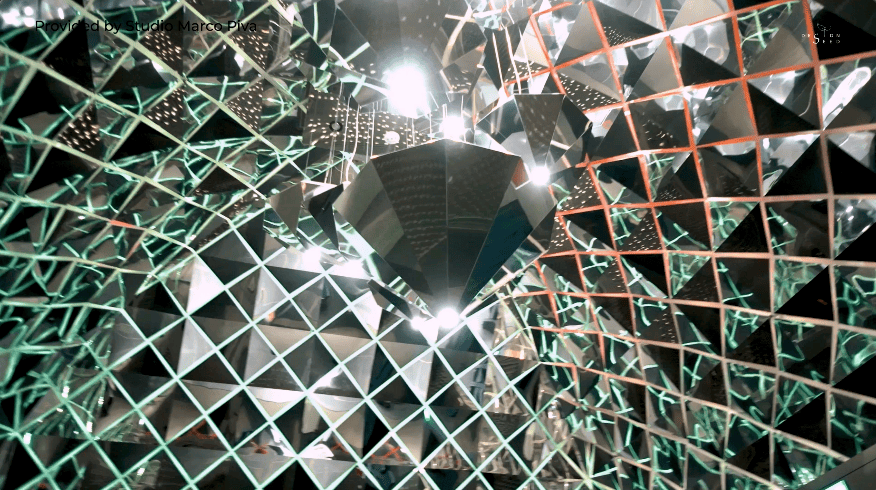
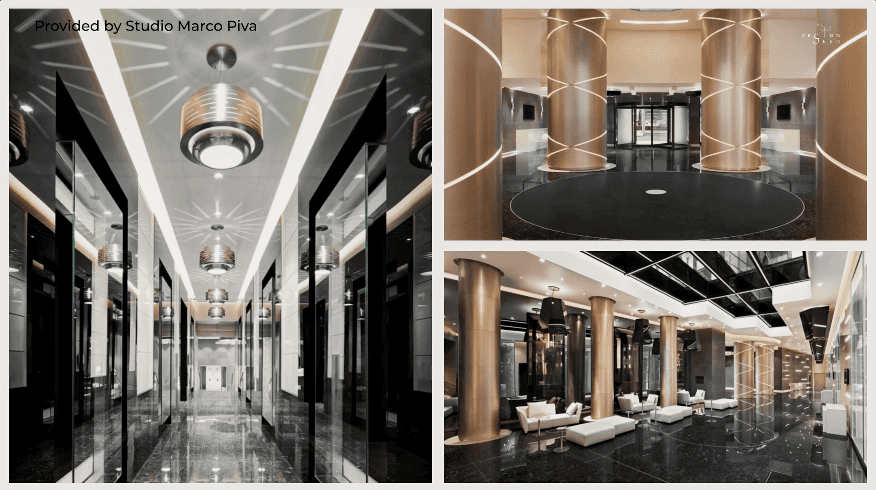
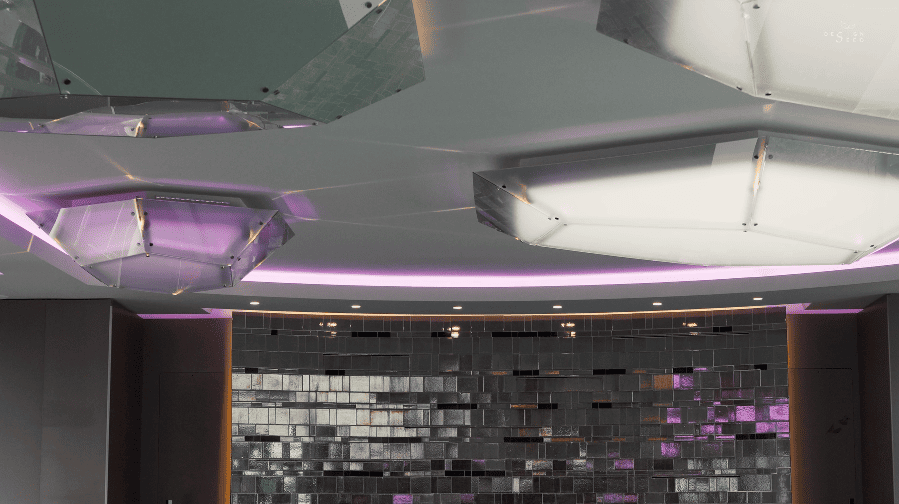
What’s also unique here is the way Marco Piva decorates spaces, using light as part of the interior design. In every space and volume, he leaves a beautiful sense of sculpture from his artistic touch.
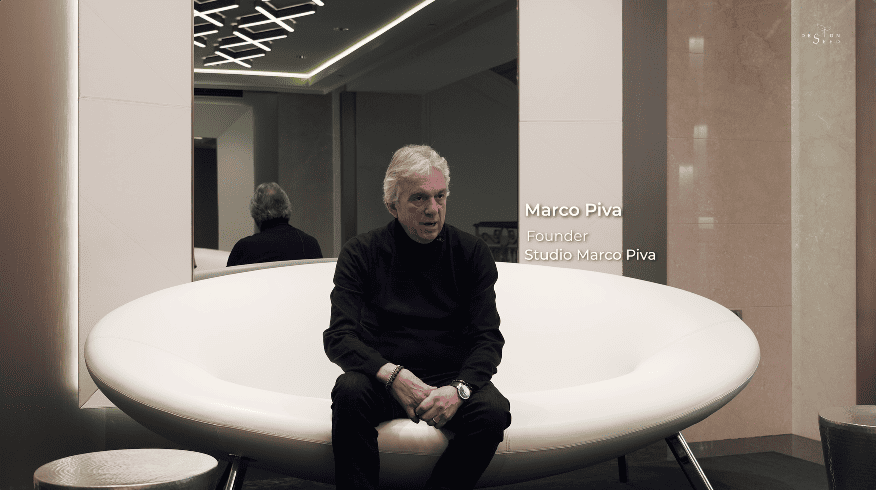
“My name is Marco Piva. I am from Italy, Milano. I used to work a lot outside the country. Till now, we have succeeded in working in 81 different cities around the world.”
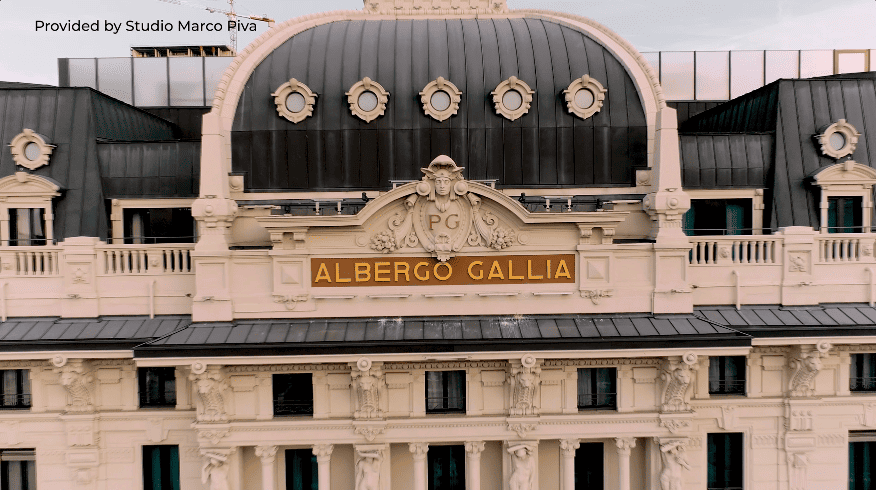
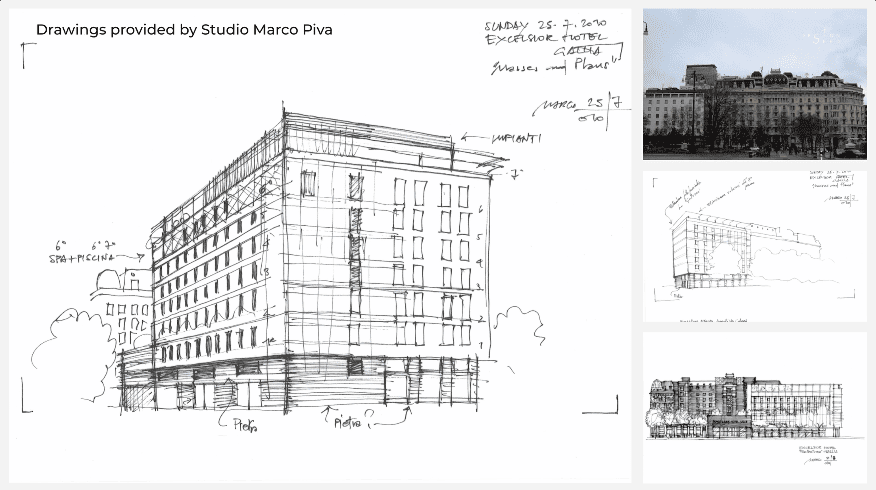
“This building was built nearly a century ago, and there are two different languages. The first one is based on a Belle Époque kind of design, with the richness of decoration on the facade, a lot of balconies, and decorative elements—like a caryatid on top of the building.”
“The other one, the new one that I designed, I wanted to keep within the concept of a very simple, contemporary building—glass-made. I didn’t even want to relate to the material, so we wanted to create two really separate kinds of architecture. What happened here was really… damaged over time. We had spots here and there, so we tried to renovate it completely. We went through restoration, preserving all the decoration.”
Marco Piva said, “Because of the difference between the two architectural elements, I wanted to create continuity inside. We selected a certain kind of approach to the interior, trying to deliver the idea of something that is solidly, permanently part of the structure.
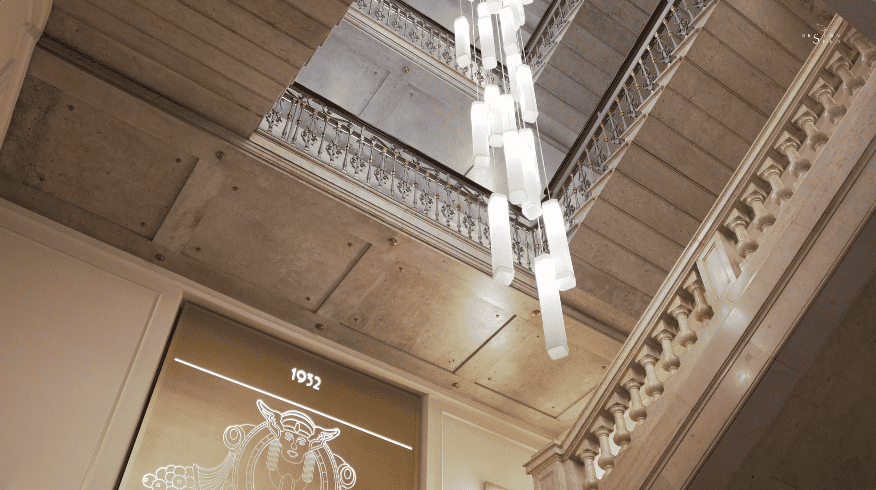
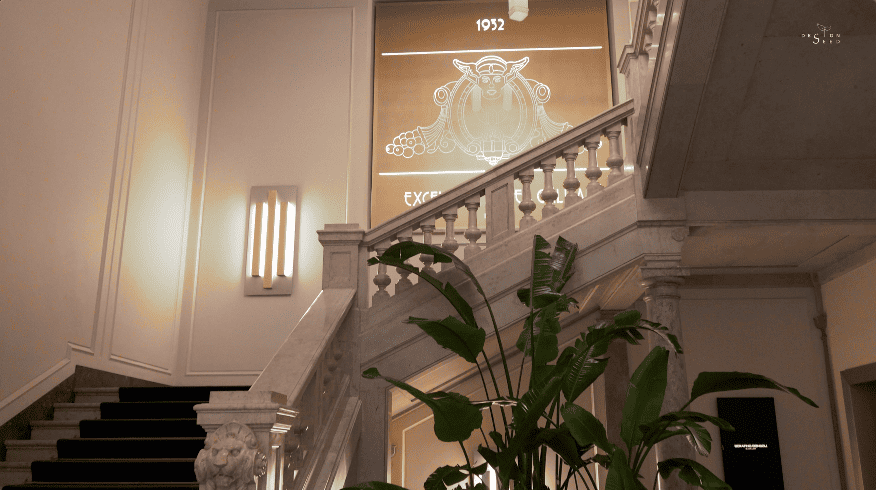
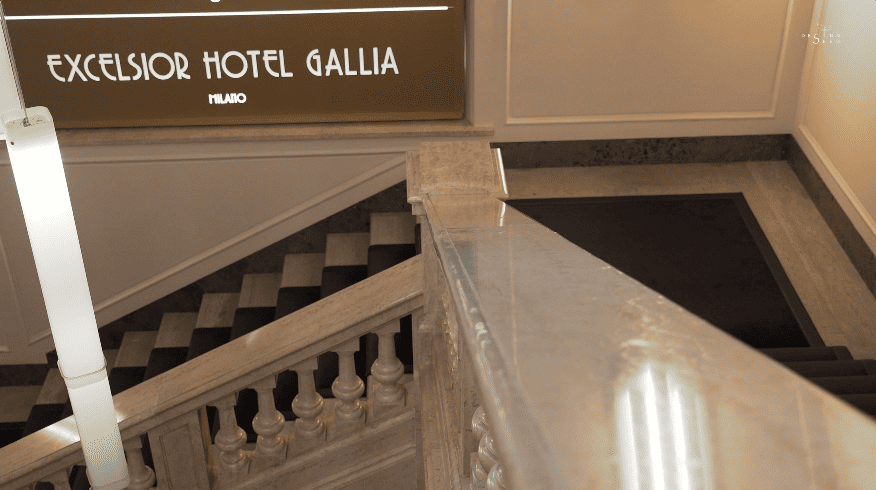
We tried to keep the very valuable architectural elements. Obviously, we had to take care of and preserve some monumental elements—like the grand staircase in the center of the building and some of the columns that are part of the original historical section.”
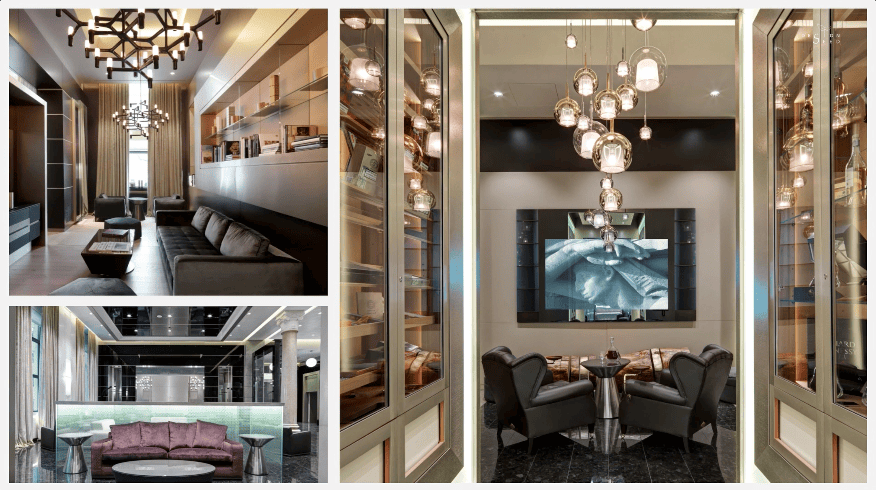
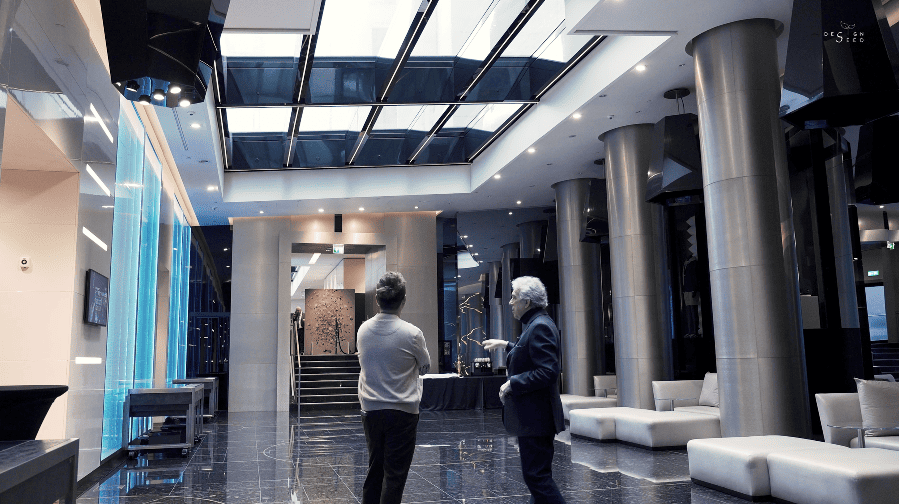
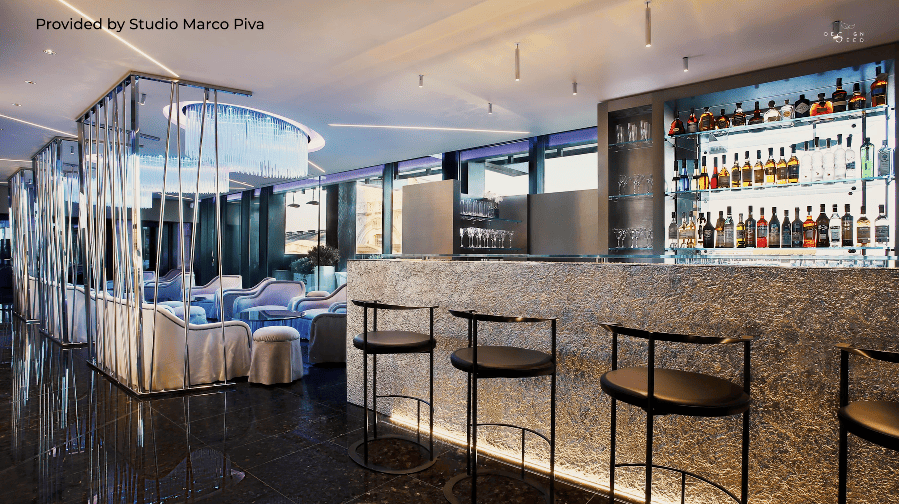
“I prefer to create more private corners where people can sit together, have coffee, or engage in conversation. Beside the cigar lounge, I created a library and a soft oval-square area protected by glass, with specially designed sofas. People can sit there in a private space of their own,” explained Marco Piva.
“I like the idea of focusing on a central element—something that creates a particular kind of attraction in a space like this.”
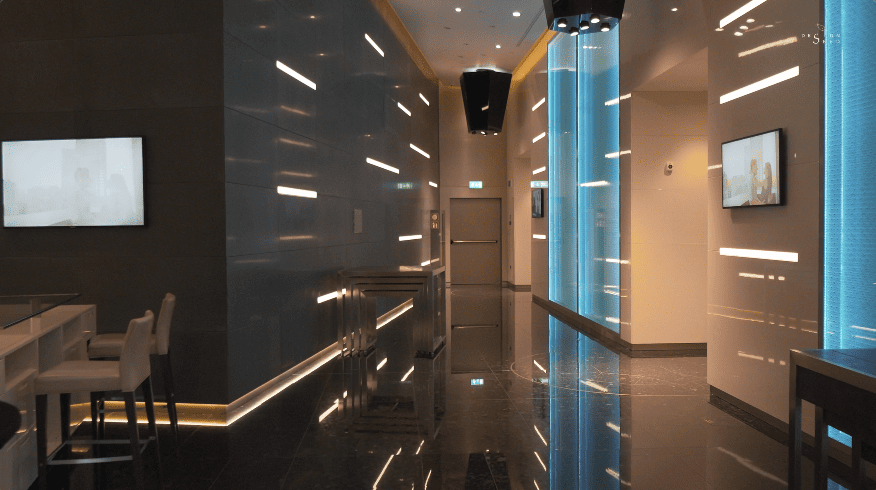
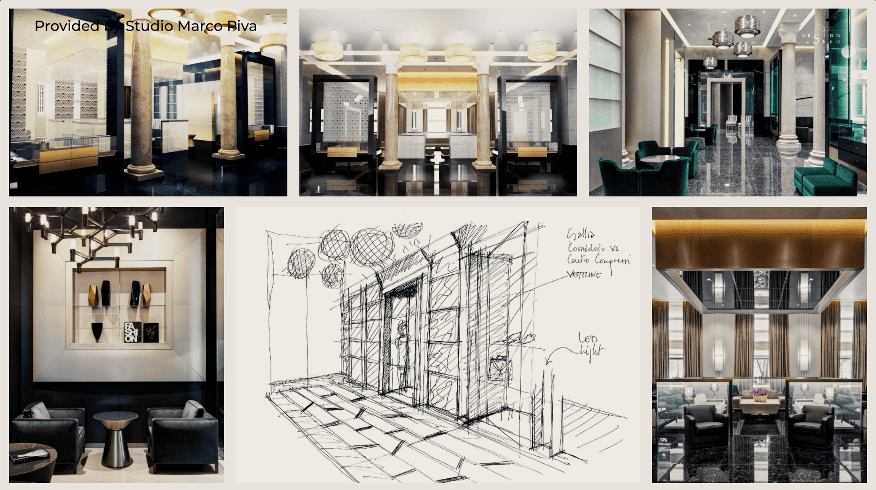
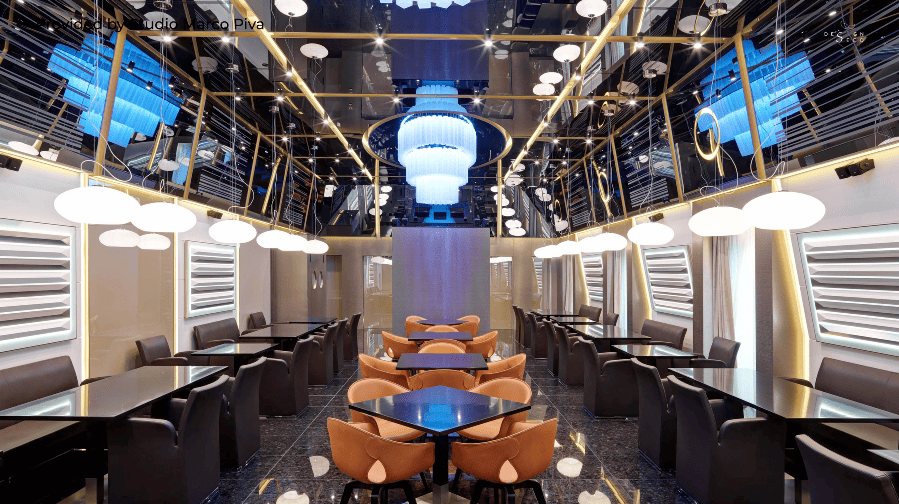
The hallmarks of a grand hotel lobby are reimagined in striking visuals. Instead of creating a big open space, Marco Piva curated private, exclusive spaces. Modern interiors are crafted using the timeless qualities of glass, marble, and light. Each facility of the hotel is designed with unique elements to offer a memorable experience.
“So everything could be moved—even these counters—because this space should be very dynamic. For instance, here we now have a glass surface where we have displayed Ferraris, Maseratis, even a boat, to present them to clients. From historical to contemporary to modern, this connection later on interconnects the old congress, meeting, and exhibition areas.”
Marco Piva tells us he tries to collect light into shapes that bridge contemporary and past designs.
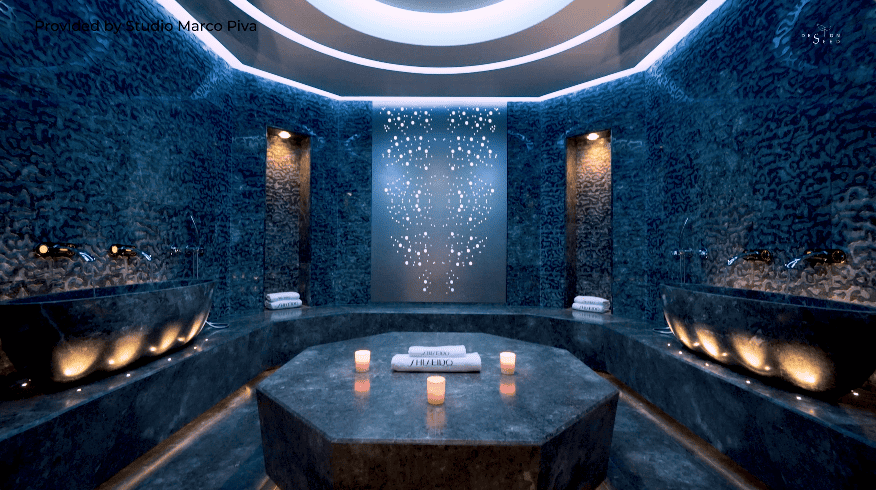
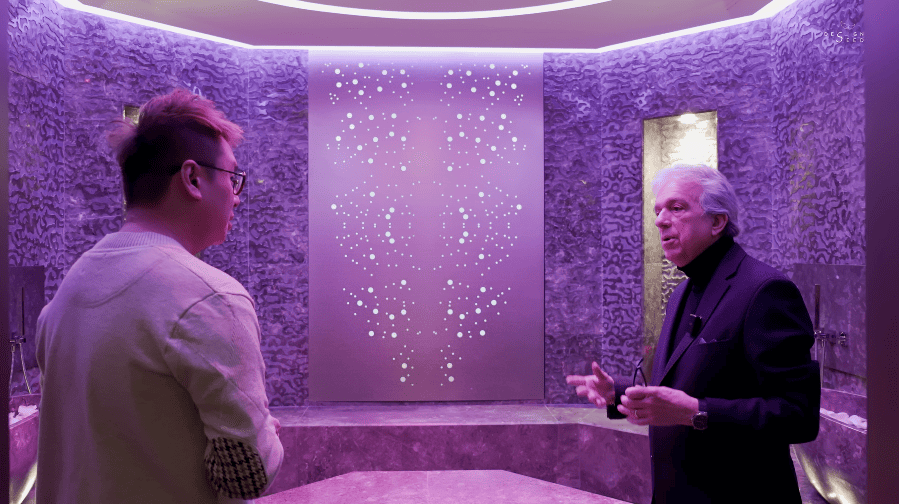
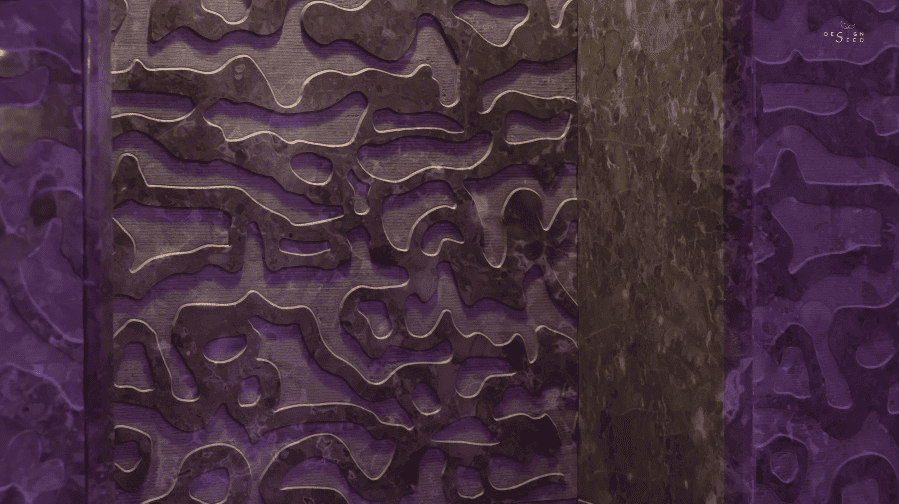
“This is a special room, more linked to old Italian Roma. We call it calidarium, meaning a warm place. This marble has been engraved—yes, this is my design. I did it by hand, and then with a computer, we created a systematic algorithm.”
“Yes, these sculptures were sculpted from a single piece of marble. This is the light of the sun coming through, while another method catches the light from the facade,” explained Marco Piva.
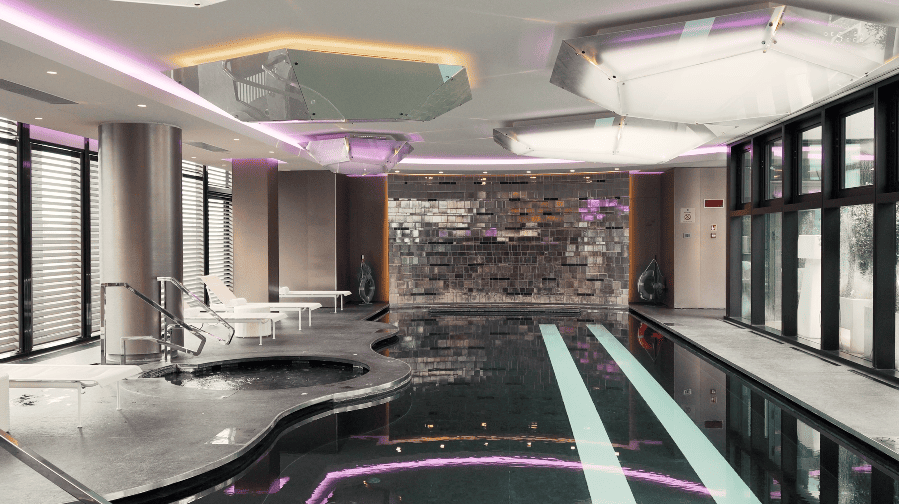
“The swimming pool was designed irregularly and realized with the same black stone that I used throughout the project.”
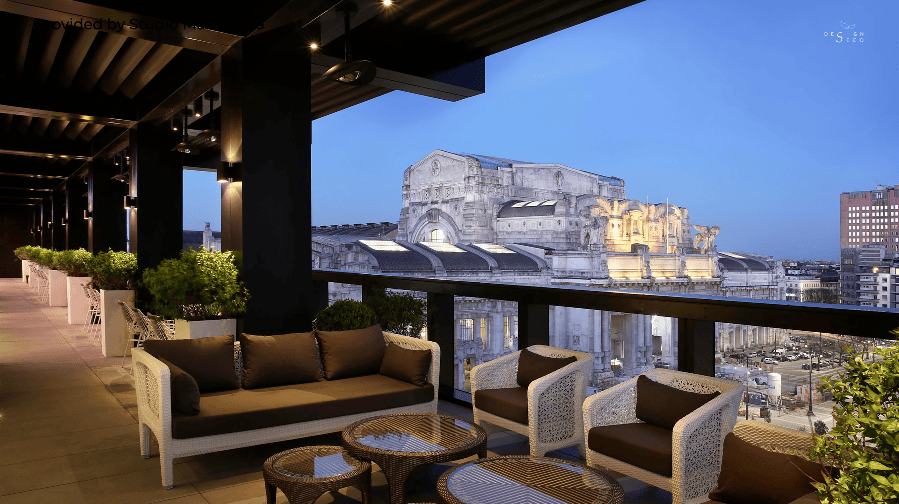
“It’s shaped like an old structure. We wanted to use this volume and reflections to create the impression of something in between a ship and a starship flying over the city.”
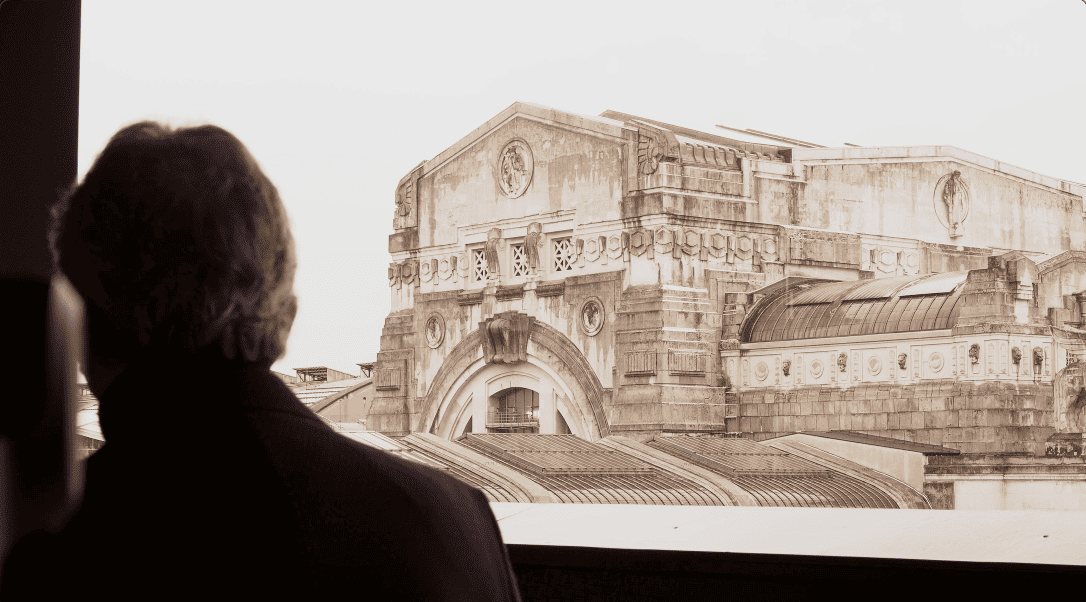
“In the evening, it’s quite nice because the entire station is lit up, like a grand square.”
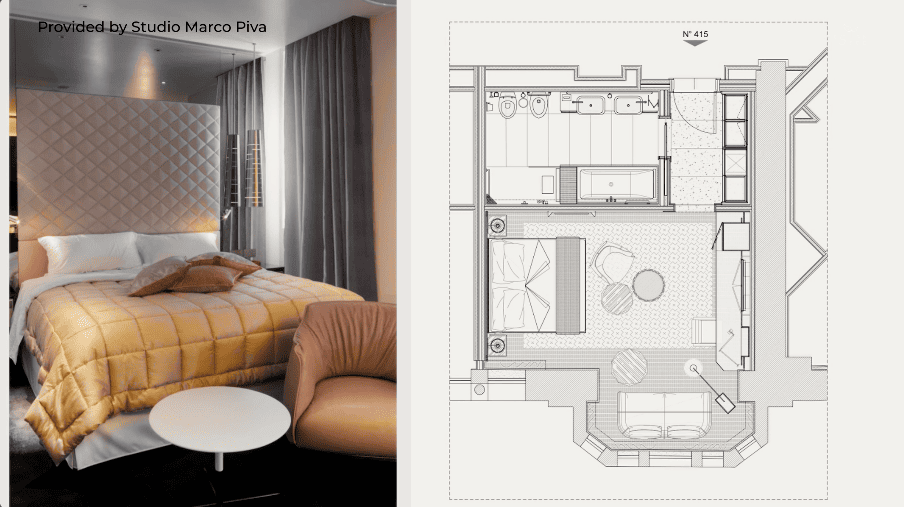
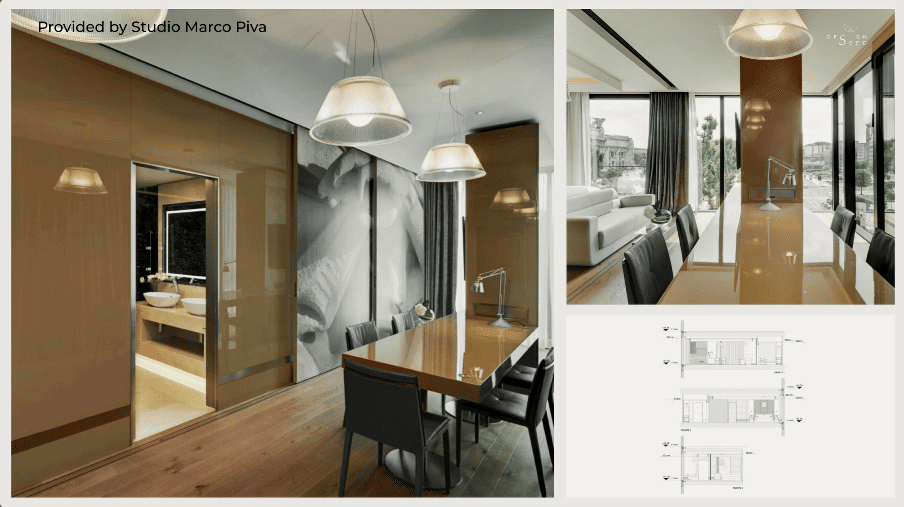
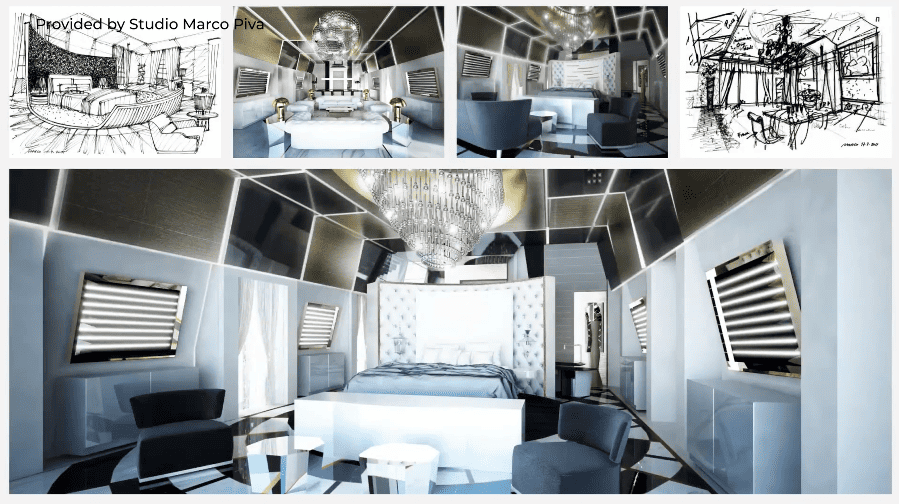
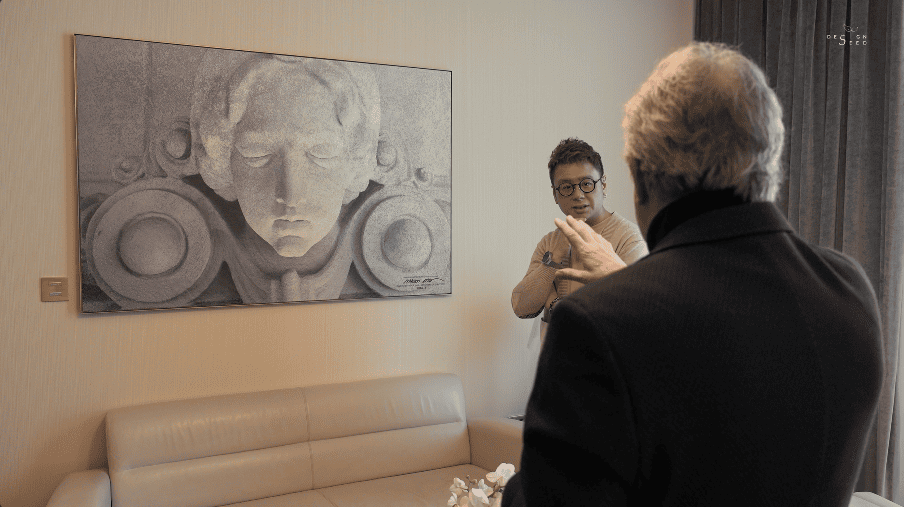
Each room is curated with contemporary design and the beauty of an art gallery, featuring more than 500 art pieces designed by Marco Piva’s team and himself. The rooms integrate handcrafted and stylish elements, where the use of marble provides a striking contrast to the Belle Époque structural design—creating a glamorous living experience.
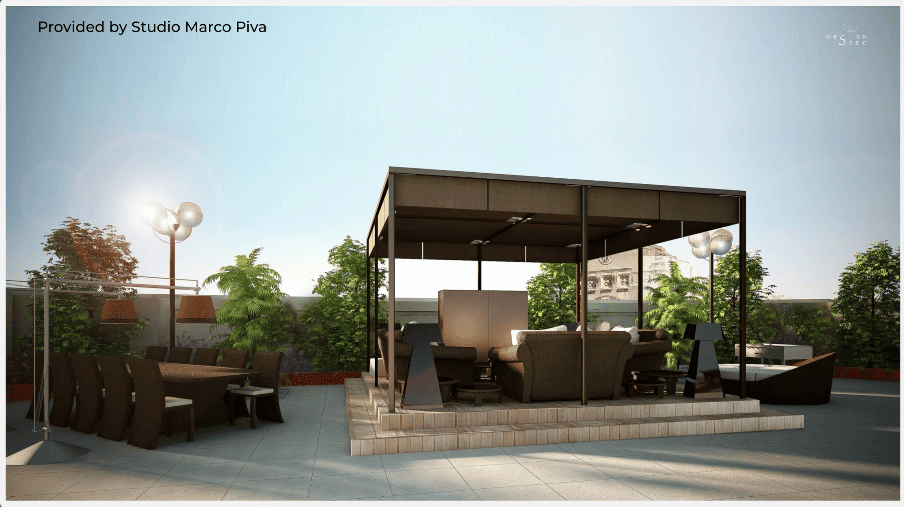
The Katara Royal Suite, the largest of its kind in Italy, is a luxurious statement of gold, white leather, glass, and crystal, with its own outdoor terrace.
“So we created these little sculptures. Every room has its own unique design.”
“Yes, each one is different. I consider myself a traveler. I love investigating the differences in places and confronting them with my own culture—to create new visions, new cross-cultural ideas that lead to something fresh.”
Standing at the crossroads between history and modernity, Excelsior Hotel Gallia is at the pinnacle of Milan’s hotel experience. It is more than just a place to stay—Marco Piva has created a space that celebrates modern Milan at its finest, showcasing Italian craftsmanship and its rich heritage.